Taco Seasoning Without Chili Powder
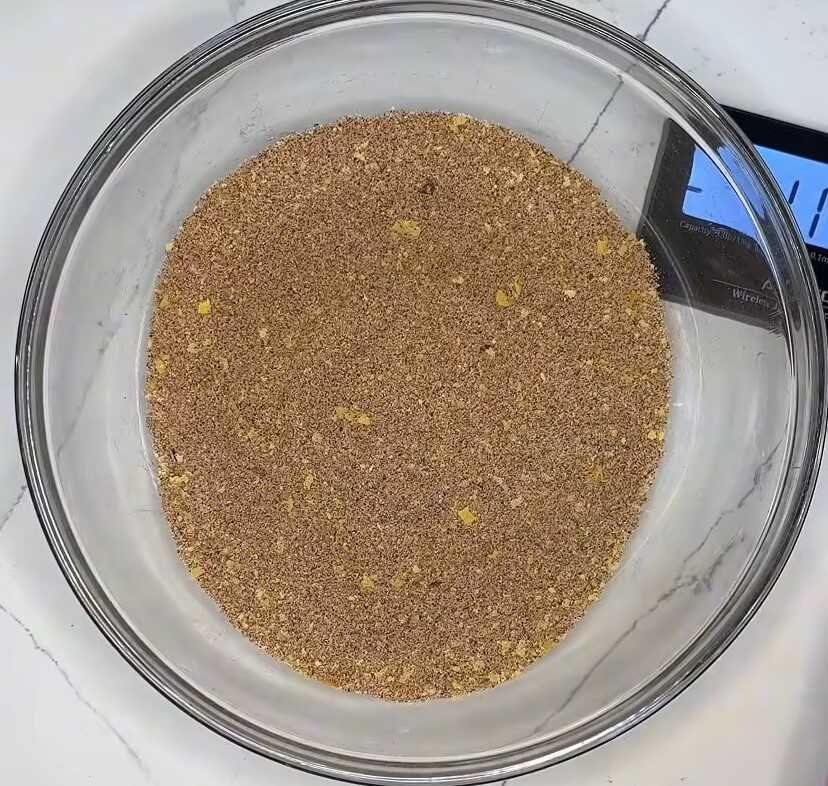
Ran out of chili powder, or deliberately avoiding it? You can still make a well-balanced taco seasoning mix with pantry spices. The key is not to simply remove chili powder from a standard blend and hope for the best. Chili powder normally contributes several things at once dried chile flavor, color, warmth, and complexity—so the remaining spices need to be arranged differently. This taco seasoning without chili powder uses cumin, paprika, coriander, oregano, garlic, onion, and black pepper to build a savory blend with enough depth for tacos without relying on chili powder.
Can You Make Taco Seasoning Without Chili Powder?
Yes. Taco seasoning can be made without chili powder by building the blend around cumin, paprika, coriander, garlic, onion, oregano, and black pepper instead. Paprika supplies color and gentle sweetness, while cumin and coriander provide the warm, earthy character that chili powder would normally help support. You can keep the finished blend mild or add a separate source of heat when cooking.
The key point is that there is no need to treat chili powder as a single irreplaceable ingredient. It is itself a combination of flavors, so removing it works best when you deliberately rebuild those flavor roles rather than replacing it with one spice in the same quantity.
Taco Seasoning Without Chili Powder Recipe
This blend is designed specifically for cooks who want a taco spice mix with no chili powder. It has enough salt to season a pound of filling while leaving room to adjust the final dish at the skillet.
Recipe at a Glance
Yield: About 3 tablespoons
Prep time: 5 minutes
Total time: 5 minutes
Use: About 2½ tablespoons per 1 pound of filling
Ingredients
- 1 tablespoon ground cumin
- 2 teaspoons sweet paprika
- 1 teaspoon ground coriander
- 1 teaspoon garlic powder
- 1 teaspoon onion powder
- ¾ teaspoon dried oregano
- ½ teaspoon fine salt
- ½ teaspoon black pepper
- ¼ teaspoon ground turmeric
- ¼ teaspoon cayenne pepper, optional
Instructions
- Add the cumin, paprika, coriander, garlic powder, onion powder, oregano, salt, black pepper, and turmeric to a small bowl.
- If you want heat, add the cayenne. Leave it out for a completely mild base blend.
- Stir thoroughly with a small whisk or spoon until the color and texture are uniform. Break up any small clumps before transferring the mixture.
- Taste a tiny pinch of the dry blend if desired. At this stage, focus on whether the cumin, salt, and pepper feel balanced rather than expecting the finished flavor of cooked taco meat.
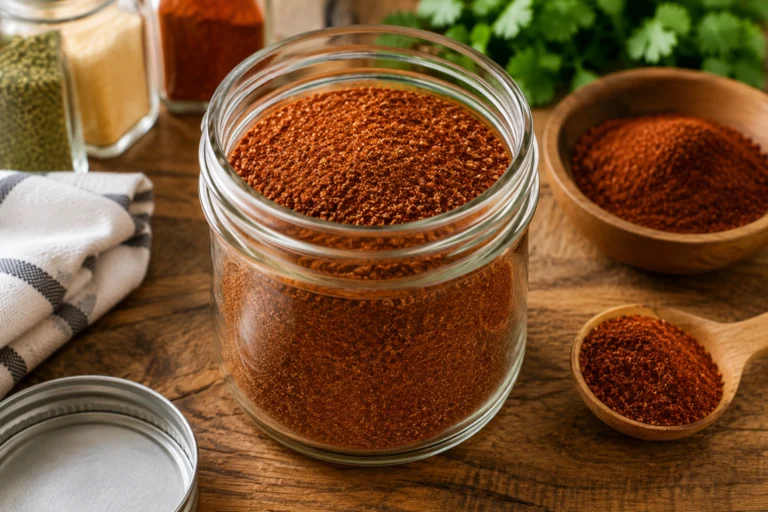
- Transfer the seasoning to a clean, completely dry airtight jar.
- Label the container with the date and store it in a cool, dark pantry.
How Much Seasoning Should You Use?
Start with 2½ tablespoons per 1 pound of ground beef, turkey, chicken, or a similar filling.
For a lighter seasoning, use about 2 tablespoons. For a more assertive taco filling, use up to 3 tablespoons. The amount can also depend on how much unsalted meat, beans, vegetables, or other filling is being seasoned.
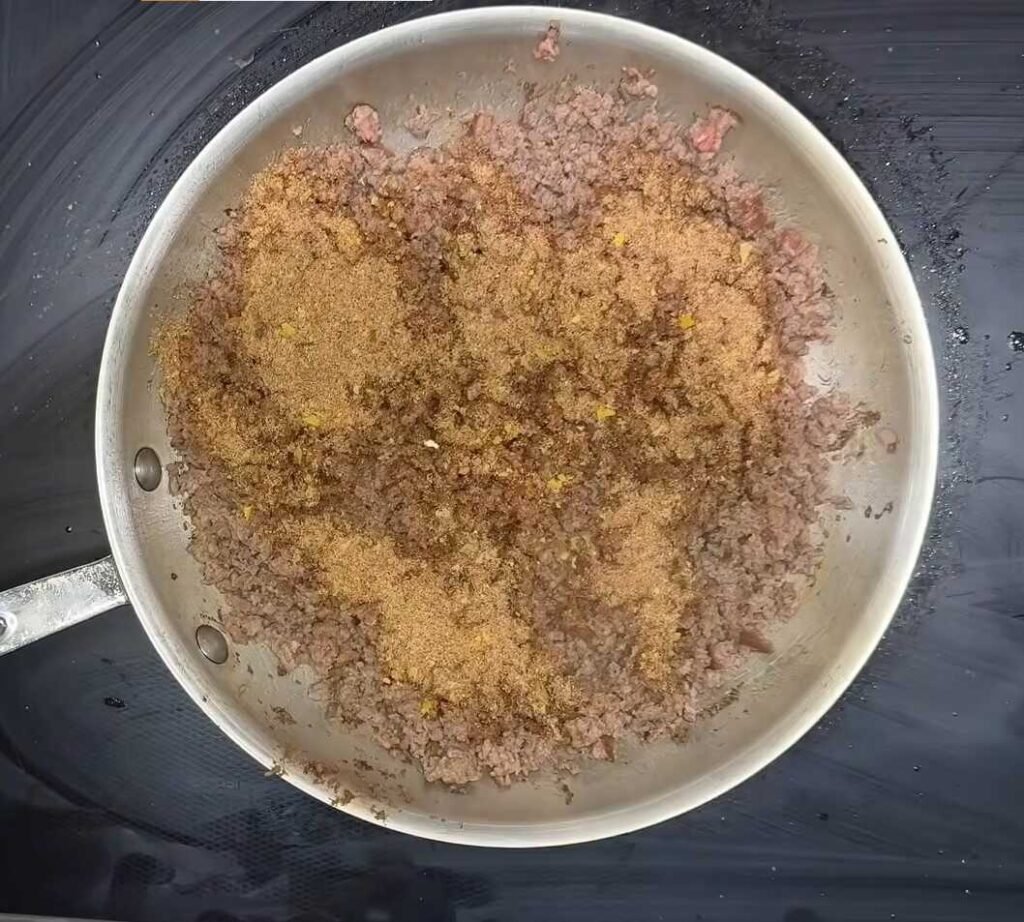
When cooking ground meat, add the seasoning after the meat has browned and any excess fat has been drained. Stir in about ¼ cup of water and simmer for 2 to 4 minutes so the spices hydrate and coat the filling instead of remaining dusty on the surface.
For shredded or sliced chicken, stir the seasoning into a small amount of cooking liquid or oil before tossing it with the meat. This distributes the dry spices more evenly.
Recipe Notes
- This recipe contains no chili powder.
- The paprika is included for color and mild sweetness, not as a replacement that completely imitates chili powder.
- Omit the cayenne for a mild taco seasoning.
- Use fresh, aromatic spices whenever possible. Old spices can make the finished blend seem weak even when the proportions are sound.
- Keep the mixture dry while storing it. Do not add water, oil, lime juice, or other wet ingredients to the jar.
- If you need a salt-free blend, leave out the salt and season the finished filling separately.
Why These Ingredients Work Without Chili Powder
Removing chili powder changes more than the heat level. A typical chili powder blend can contribute dried chile flavor, earthy notes, color, mild heat, and additional supporting spices. This recipe separates those jobs instead of trying to reproduce the missing ingredient with one direct substitute.
Cumin Provides the Warm Base
Ground cumin is the main earthy note in this blend. It gives the seasoning a recognizable taco-style aroma and helps prevent the mixture from tasting like ordinary paprika-and-garlic seasoning.
It is deliberately kept prominent but not excessive. Too much cumin can make the blend taste dusty, bitter, or overwhelmingly earthy, especially when used on lean meat.
Paprika Handles Color and Sweetness
Sweet paprika gives the seasoning a warm red-orange appearance and a gentle sweetness. It does not recreate the dried chile character of chili powder, but it helps compensate for the visual and mild flavor contribution that disappears when chili powder is removed.
Using sweet paprika rather than automatically choosing smoked paprika also keeps the blend more neutral. Smoked paprika can be useful, but its smoky character becomes noticeable quickly.
Coriander Adds a Different Kind of Warmth
Ground coriander brings a softer, lightly citrusy spice note. It helps bridge the gap between the earthy cumin and the savory garlic and onion.
This is particularly useful in a chili-powder-free blend because it adds complexity without depending on another chile-based ingredient.
Garlic and Onion Build Savory Depth
Garlic powder and onion powder make the seasoning taste fuller when it is mixed into meat, beans, or vegetables. They are supporting ingredients rather than the main attraction.
Keeping them in equal amounts makes the blend easier to use across different fillings. Increasing garlic dramatically can make chicken or vegetables taste sharp, while too much onion powder can add an oddly sweet or powdery note.
Oregano Keeps the Blend From Feeling Heavy
Dried oregano adds an herbal element that lifts the darker spices. A moderate amount is enough; the goal is to add another layer rather than make the seasoning taste primarily herbal.
Black Pepper Adds Background Warmth
Black pepper gives the blend a small amount of bite without turning it into a chile-forward seasoning. It also helps keep the flavor from becoming too soft when the chili powder is absent.
Turmeric Is Used for Color, Not as a Main Flavor
Only a small amount of turmeric is included. Its main purpose here is to support the warm golden-red appearance of the blend.
Too much turmeric would change the character of the seasoning and introduce a noticeable earthy bitterness, so it should remain a background ingredient.
Cayenne Is Optional
Cayenne is not necessary for the basic blend. It is separated from the main recipe concept because removing chili powder does not automatically mean the finished seasoning must be spicy.
If you want a mild taco seasoning, leave it out. If you want heat, a small amount gives you more control than adding a large quantity of another strongly flavored spice.
Taco Seasoning Without Chili Powder
Ingredients
- 1 tablespoon ground cumin
- 2 teaspoons sweet paprika
- 1 teaspoon ground coriander
- 1 teaspoon garlic powder
- 1 teaspoon onion powder
- ¾ teaspoon dried oregano
- ½ teaspoon fine salt
- ½ teaspoon black pepper
- ¼ teaspoon ground turmeric
- ¼ teaspoon cayenne pepper optional
Instructions
- Add cumin, paprika, coriander, garlic powder, onion powder, oregano, salt, black pepper, and turmeric to a small bowl.
- Add the cayenne pepper if you want the seasoning to have some heat.
- Whisk or stir the spices thoroughly until evenly combined and free of clumps.
- Transfer the finished seasoning to a clean, dry airtight container.
- Use about 2½ tablespoons of seasoning per 1 pound of taco filling.
- For ground meat, add the seasoning after browning and draining the meat. Stir in about ¼ cup water and simmer for 2 to 4 minutes.
- Taste the cooked filling and adjust the seasoning if needed.
Notes
- Leave out the cayenne for a mild taco seasoning.
- Use fresh, aromatic spices for the best flavor.
- For a lower-salt blend, reduce or omit the salt and season the finished filling separately.
- Do not add liquid ingredients directly to the dry seasoning mixture.
- Store in a cool, dark, dry pantry.
Store in an airtight container in a cool, dark pantry. For best flavor, use within about 6 months. Replace the blend when the spices have lost their aroma or the seasoning tastes noticeably weak.
How the Flavor Works Without Chili Powder
The easiest way to understand this blend is to think in layers rather than replacements.
The foundation comes from cumin, coriander, garlic, and onion. These create the savory, earthy body of the seasoning.
The middle layer comes from paprika and oregano. Paprika gives the mixture color and gentle sweetness, while oregano keeps the darker flavors from becoming too dense.
Black pepper and optional cayenne provide the heat adjustment. Because these are not responsible for the entire seasoning profile, you can increase or decrease them without rebuilding the whole blend.
Finally, the small amount of turmeric supports the appearance without taking over the flavor.
That structure matters because simply removing chili powder from a conventional recipe can leave an imbalance. For example, if a blend originally contains a tablespoon of chili powder and you remove it, increasing cumin by a tablespoon would not restore the missing flavor. You would instead create a cumin-heavy seasoning.
A better approach is to ask what the missing ingredient was contributing and replace those functions separately.
This also explains why the finished seasoning will not taste exactly like a traditional chili-powder-based taco seasoning. It is meant to have its own balanced profile while still working in the same kinds of taco fillings.
What Can I Use Instead of Chili Powder in Taco Seasoning?
There is no single substitute that perfectly reproduces every component of chili powder. The best choice depends on what you are trying to replace.
Paprika
Sweet paprika is one of the most useful options when you need more color and a mild, slightly sweet pepper flavor. It is especially helpful if the absence of chili powder makes your seasoning look pale.
However, paprika does not provide the same dried-chile flavor or heat as chili powder.
Smoked Paprika
Smoked paprika adds color plus a noticeable smoky quality. It can work well with beef, grilled chicken, and roasted vegetables.
Use it cautiously. If the entire blend becomes smoky, the seasoning can taste more like barbecue rub than taco seasoning.
Cayenne Pepper
Cayenne is useful when heat is the main thing you miss. It is much hotter and more direct than most chili powder blends, so a small amount goes a long way.
It is not a complete chili powder substitute because it contributes heat rather than the broader combination of flavor and color.
Ancho Chile Powder
If your restriction is specifically against a standard chili powder blend rather than all chile powders, ancho chile powder is another possibility. It brings a mild dried-chile character with deeper, somewhat sweet notes.
However, it is still a chile powder, so it should not be used when the goal is to avoid chile powders altogether.
A Larger Combination of Supporting Spices
For a seasoning that must remain free of chili powder, combining cumin, paprika, coriander, garlic, onion, oregano, and black pepper is more useful than relying on a single replacement.
That is the approach used in this recipe because it produces a more balanced seasoning rather than making one spice carry the entire job.
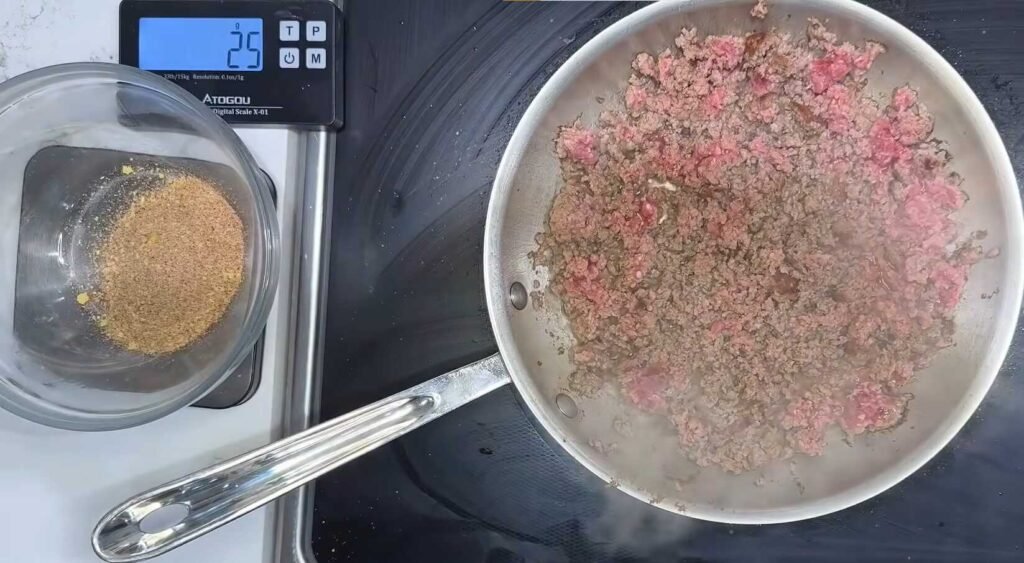
Taco Seasoning Without Chili Powder or Paprika
If you also need to leave out paprika, the seasoning can still work, but the result will look and taste different.
Paprika normally contributes a red-orange color, mild sweetness, and a soft pepper note. Without it, the blend will be paler and more dependent on cumin, coriander, garlic, onion, oregano, and black pepper.
You can continue using the same general flavor structure, but do not expect the finished seasoning to have the familiar reddish appearance of a conventional taco blend.
Turmeric can provide some golden color, but it should not be increased dramatically just to make the seasoning look darker. Too much turmeric changes the flavor.
The absence of both chili powder and paprika is therefore best approached as a different seasoning profile rather than a perfect visual copy of a traditional blend.
Can You Make It Without Cayenne Pepper?
Absolutely. Cayenne is optional in this recipe, so leaving it out produces a milder seasoning.
This is also useful when different people at the table prefer different heat levels. Keep the main batch mild, then add heat while cooking individual portions with cayenne, crushed red pepper, hot sauce, or another preferred spicy ingredient.
Separating the heat from the base seasoning gives you more control and prevents an entire jar from becoming too spicy for one person.
How to Adjust the Heat?
Because chili powder is intentionally absent, you can control heat independently from the core seasoning.
For Mild Tacos
Leave out the cayenne completely. The black pepper provides only gentle warmth, while the cumin, coriander, paprika, garlic, and onion remain the main flavors.
For Medium Heat
Add the ¼ teaspoon cayenne included in the recipe. This gives the blend a noticeable kick without making heat the dominant characteristic.
For Hotter Tacos
Increase the cayenne gradually rather than adding a large amount at once. You can also add crushed red pepper flakes while cooking if you want a more noticeable pepper bite.
For a shared batch, it is usually easier to keep the dry seasoning moderate and add additional heat to individual servings.
How to Use the Seasoning
The best way to use a chili-powder-free taco seasoning is to give the spices enough moisture and cooking time to become part of the filling.
Ground Beef
Brown 1 pound of ground beef thoroughly, then drain excess fat if needed. Stir in 2½ tablespoons of the seasoning and about ¼ cup water. Simmer for several minutes, stirring occasionally, until the liquid reduces and the seasoning coats the beef.
Because beef has a relatively strong flavor, it can handle the full seasoning amount well.
Ground Turkey
Turkey is milder than beef, so the seasoning can become more noticeable. Start with 2½ tablespoons per pound and add a little more after tasting if necessary.
A small amount of water or broth helps prevent the spices from sitting dry on the surface.
Chicken
For ground chicken, use the same general ratio as ground turkey.
For diced chicken, combine the seasoning with a small amount of oil before coating the pieces. This helps distribute the dry spices over the meat and reduces the chance of isolated pockets of seasoning.
For cooked shredded chicken, stir the seasoning into a little broth or the chicken’s cooking juices before mixing it through the meat.
Beans
For black beans, pinto beans, or another taco filling, start with about 1 to 1½ tablespoons per 15-ounce can of drained beans. Add a splash of water and simmer briefly.
Beans absorb seasoning differently from meat, so tasting as you go is more useful than automatically using the meat ratio.
Vegetables
For sautéed vegetables, toss the vegetables with a little oil first, then add seasoning during cooking. Zucchini, corn, mushrooms, onions, and similar vegetables can take on the spices without needing a large quantity.
For roasted vegetables, mix the seasoning with oil before coating the vegetables. Add more after roasting only if the flavor needs a boost.
The Right Seasoning Ratio Per Pound
For most meat fillings, 2½ tablespoons per pound is a practical starting point.
Use:
- 2 tablespoons: lighter seasoning
- 2½ tablespoons: balanced starting point
- 3 tablespoons: stronger taco flavor
The ratio is not a rule that must be followed blindly. A pound of meat cooked with unsalted ingredients may need more seasoning than a filling that already contains salty broth, cheese, canned beans, or a seasoned sauce.
The best adjustment is to taste after the filling has cooked for a few minutes. Dry spices can taste harsher before they have hydrated, so give the mixture time to simmer before deciding that it needs more.
If the flavor is good but the filling seems dry, add a small splash of water rather than immediately adding more seasoning. Moisture helps the existing spices spread through the food.
Troubleshooting Taco Seasoning Without Chili Powder
The seasoning tastes bland
First check whether the filling has enough seasoning for its volume. If the amount is appropriate, the issue may be weak or old spices.
Taste the cooked filling before making a large adjustment. A small addition of salt can make the existing spices more noticeable, while a little extra cumin or paprika can strengthen the overall profile.
The flavor is too earthy
Too much cumin is the most likely cause. Rather than adding more of every other ingredient, dilute the mixture with a little additional paprika, garlic, onion, and oregano.
For a finished skillet, a small amount of acidity can also brighten heavy flavors. Lime juice is best added to the food itself rather than mixed into the dry seasoning jar.
The blend is too salty
Do not try to balance excessive salt by adding another salty ingredient. If the dry mixture is already too salty, make a second unsalted portion of the spice blend and combine the two batches.
For a finished taco filling, adding more unsalted meat, beans, or vegetables is usually more effective than adding sugar or another strong spice.
The seasoning is too spicy
If you added cayenne or another hot ingredient, dilute the filling with more unseasoned ingredients. Adding water alone will not remove the heat.
For future batches, keep the main seasoning mild and add heat separately while cooking.
The tacos lack color
Without chili powder, the seasoning will naturally be less red than some conventional taco blends. Make sure you are using fresh paprika if color matters.
A small amount of paprika can deepen the appearance without changing the entire flavor profile. Avoid adding large amounts of turmeric simply for color because it can make the seasoning taste noticeably different.
It tastes different from traditional taco seasoning
That is expected to some degree. Chili powder contributes several characteristics at once, so removing it changes the flavor.
The goal of this recipe is not to disguise the absence of chili powder. It is to create a balanced taco seasoning that works without it.
If you want a closer chile-forward character and your dietary or ingredient restriction allows other chile powders, an ancho-based variation may move the flavor in that direction. If all chile powders are being avoided, keep the blend centered on cumin, coriander, paprika, garlic, onion, oregano, and black pepper.
Storage and Freshness
Store the dry seasoning in a clean airtight glass jar or another container with a secure lid. The container should be completely dry before the spice mixture goes inside.
Keep it in a cool, dark pantry or cabinet away from the stove, dishwasher, direct sunlight, and areas exposed to cooking steam. Heat, light, and moisture gradually reduce the quality of ground spices.
For best flavor, use the blend within about 6 months. It may remain usable beyond that point, but the spices can lose aroma and intensity over time.
The easiest freshness test is to smell the seasoning. A fresh blend should have a clear aroma from cumin, paprika, oregano, garlic, and the other spices. If the smell has become faint or flat and the seasoning no longer contributes much flavor to food, make a new batch.
Do not scoop from the jar with a wet measuring spoon. Moisture can cause clumping and shorten the blend’s useful quality.
A Few Useful Variations:
No Cayenne
For the mildest version, simply omit the cayenne. The rest of the proportions can remain unchanged.
Smoky Version
Replace 1 teaspoon of the sweet paprika with 1 teaspoon smoked paprika. This creates a more pronounced smoky note without changing the entire spice balance.
More Garlic
If you prefer a stronger savory profile, increase garlic powder by ¼ teaspoon. Avoid making a large increase because garlic can quickly dominate the lighter coriander and oregano.
Lower-Salt Version
Reduce the salt or leave it out completely. This gives you more control over seasoning individual fillings, especially when using ingredients that already contain salt.
Pepper-Free Heat-Free Version
If you are avoiding both chili-derived heat and black pepper, leave out the cayenne and black pepper. The resulting blend will be softer and less warm, with cumin, coriander, garlic, onion, paprika, and oregano carrying most of the flavor.
If you are avoiding peppers for an allergy or other specific reason, check every packaged spice label carefully rather than assuming a particular seasoning is suitable. Removing chili powder by itself does not establish that a spice blend is free from cross-contact or other individual ingredients of concern.
Frequently Asked Questions
Can you make taco seasoning without chili powder?
Yes. Use a combination of cumin, paprika, coriander, garlic powder, onion powder, oregano, and black pepper to create the main flavor structure. The result will not be identical to a chili-powder-based blend, but it can still produce a well-rounded taco seasoning.
What is the best substitute for chili powder in taco seasoning?
There is no single perfect substitute because chili powder contributes several characteristics at once. Paprika is useful for color and mild sweetness, cayenne provides heat, and ancho chile powder can provide dried-chile flavor when chile powder is acceptable. For a completely chili-powder-free blend, combining several supporting spices works better than relying on one replacement.
Can I make taco seasoning without chili powder or paprika?
Yes, but the blend will be paler and will lose some of the gentle sweetness and pepper flavor that paprika provides. Cumin, coriander, garlic, onion, oregano, and black pepper can still create a useful taco spice blend, while a small amount of turmeric can support the color.
Can I make taco seasoning without cayenne pepper?
Yes. Cayenne is optional here. Leaving it out gives you a mild base seasoning while allowing you to add heat later to individual portions.
Does taco seasoning without chili powder still taste like tacos?
It can still work very well in taco fillings, but it will not taste exactly like a traditional chili-powder-based seasoning. The flavor is built more around cumin, coriander, paprika, garlic, onion, oregano, and black pepper rather than dried-chile flavor.
How much taco seasoning should I use per pound of meat?
Start with 2½ tablespoons per pound of meat. Use 2 tablespoons for a lighter flavor or up to 3 tablespoons for a more strongly seasoned filling. Add a little water during cooking so the spices distribute evenly.
Can I make a large batch of this seasoning?
Yes. Multiply every ingredient by the same factor and keep the proportions unchanged. Store the larger batch in an airtight, dry container and measure out the amount you need for each meal. Labeling the jar with the mixing date makes it easier to track freshness.
Thoughts on this Recipe
A taco seasoning blend does not have to depend on chili powder to give meat, beans, chicken, or vegetables a well-developed taco-style flavor. By separating the jobs normally handled by chili powder warmth, color, depth, aroma, and balance, you can build a dependable seasoning from individual spices instead.
This version keeps cumin at the center, uses paprika for color, coriander for added warmth, and garlic, onion, oregano, and black pepper to round everything out. The optional cayenne can be adjusted independently, making the blend useful for both mild and hotter taco fillings.