Green Taco Sauce Recipe With Roasted Tomatillos and Jalapeños
A taco night can quickly go from good to memorable with the right sauce. Even a simple chicken taco or grilled fish taco becomes more flavorful when it has a fresh, slightly spicy sauce with the perfect balance of acidity and heat.
This green taco sauce recipe combines roasted tomatillos, jalapeños, garlic, onion, cilantro, and lime to create a smooth homemade sauce that is bright, savory, and easy to customize. It has the fresh flavor of Mexican green sauce with enough body to drizzle over tacos, spoon into burritos, or serve alongside quesadillas and nachos.
The best part about making green taco sauce at home is that you can control everything. You decide how spicy it should be, how smooth the texture should become, and how much tangy lime flavor you want.
In this recipe, you will learn how to make a flavorful green sauce from simple ingredients, adjust it for your taste, and store it properly so you can enjoy it with more than one meal.
Recipe Summary
- Prep Time: 15 minutes
- Cook Time: 10 minutes
- Total Time: 25 minutes
- Yield: About 1½ cups sauce
- Serving Size: 2 to 3 tablespoons
- Difficulty: Easy
- Spice Level: Medium, adjustable
- Cuisine: Mexican inspired
- Course: Sauce / Condiment
Ingredients for Green Taco Sauce
This sauce uses a small group of ingredients that work together to create a balanced flavor. The goal is not just adding heat, but building a sauce with freshness, depth, and the right texture.
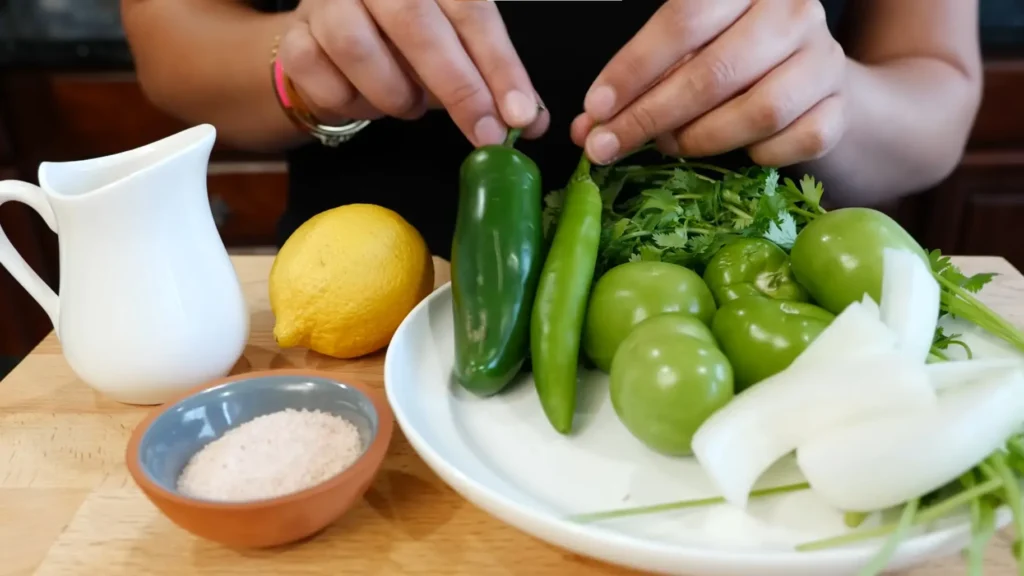
Tomatillos
6 medium tomatillos
Tomatillos create the base of this sauce. They add a mild tart flavor and give the sauce its classic green color. Roasting them softens their sharpness and brings out a slightly sweeter, deeper flavor.
If you cannot find tomatillos, green tomatoes can work as a substitute, although the final taste will be less traditional.
Jalapeños
2 medium jalapeños
Jalapeños provide the main heat in this recipe while adding a fresh pepper flavor. Removing the seeds and inner membranes creates a milder sauce, while keeping them adds more spice.
For a hotter version, replace one jalapeño with a serrano pepper.
Onion
½ medium white onion
Onion adds savory flavor and a little natural sweetness. Roasting it helps remove the harsh raw onion taste and creates a smoother sauce.
Yellow onion can also be used if white onion is unavailable.
Garlic
2 garlic cloves
Garlic adds depth and a warm savory note. Roasting the garlic helps it blend smoothly into the sauce without overpowering the other ingredients.
Fresh Cilantro
½ cup fresh cilantro leaves
Cilantro gives the sauce a fresh herbal flavor that balances the roasted peppers and tomatillos.
If you do not enjoy cilantro, you can leave it out or replace it with a small amount of fresh parsley, although the flavor will change.
Lime Juice
2 tablespoons fresh lime juice
Lime brightens the sauce and balances the richness of the roasted vegetables. Fresh lime juice gives the cleanest flavor.
Vegetable Oil
2 tablespoons vegetable oil
A small amount of oil helps create a smoother texture and brings the flavors together.
A mild olive oil can also work.
Salt
¾ teaspoon salt
Salt enhances every ingredient and helps the flavors taste more complete. Add a little more only after blending if needed.
How To Make Green Taco Sauce Step By Step
This recipe uses roasted vegetables because roasting creates a deeper flavor while keeping the sauce fresh and vibrant.
Roast the vegetables
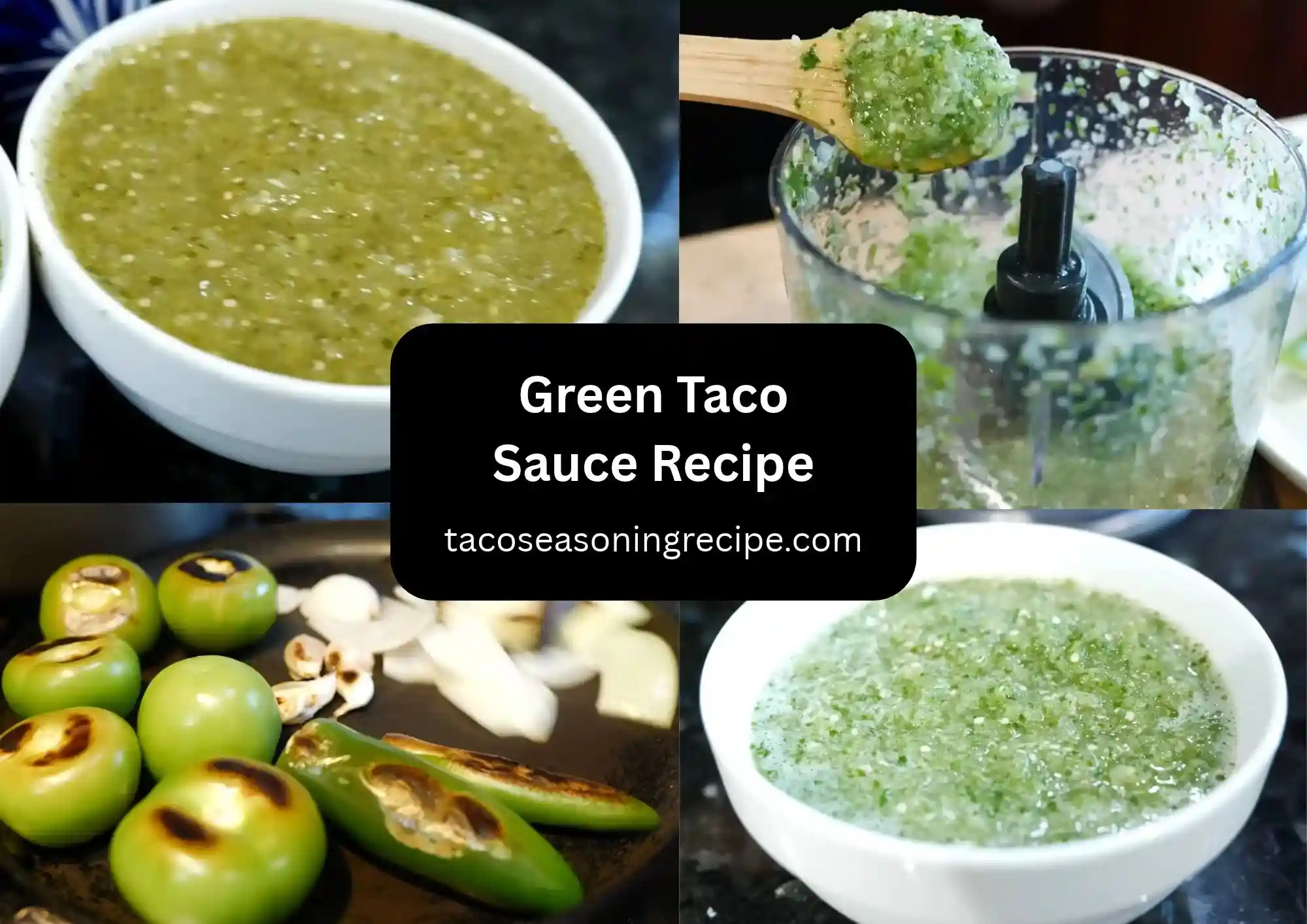
Start by removing the husks from the tomatillos and rinsing them well. Place the tomatillos, jalapeños, onion pieces, and garlic cloves on a baking sheet.
Roast them at 425°F for about 8 to 10 minutes until the tomatillos become softer and the vegetables develop light browned spots. The peppers should look slightly blistered, and the onion edges should have a little color.
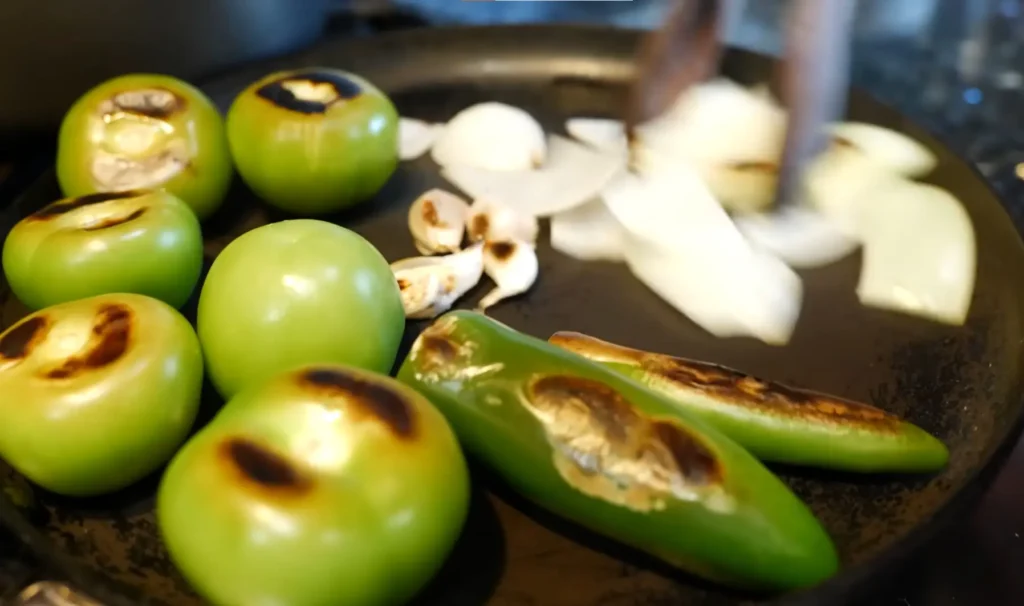
Avoid over-roasting the vegetables because heavy browning can create a bitter taste.
Blend the sauce
Add the roasted vegetables to a blender with cilantro, lime juice, vegetable oil, and salt.
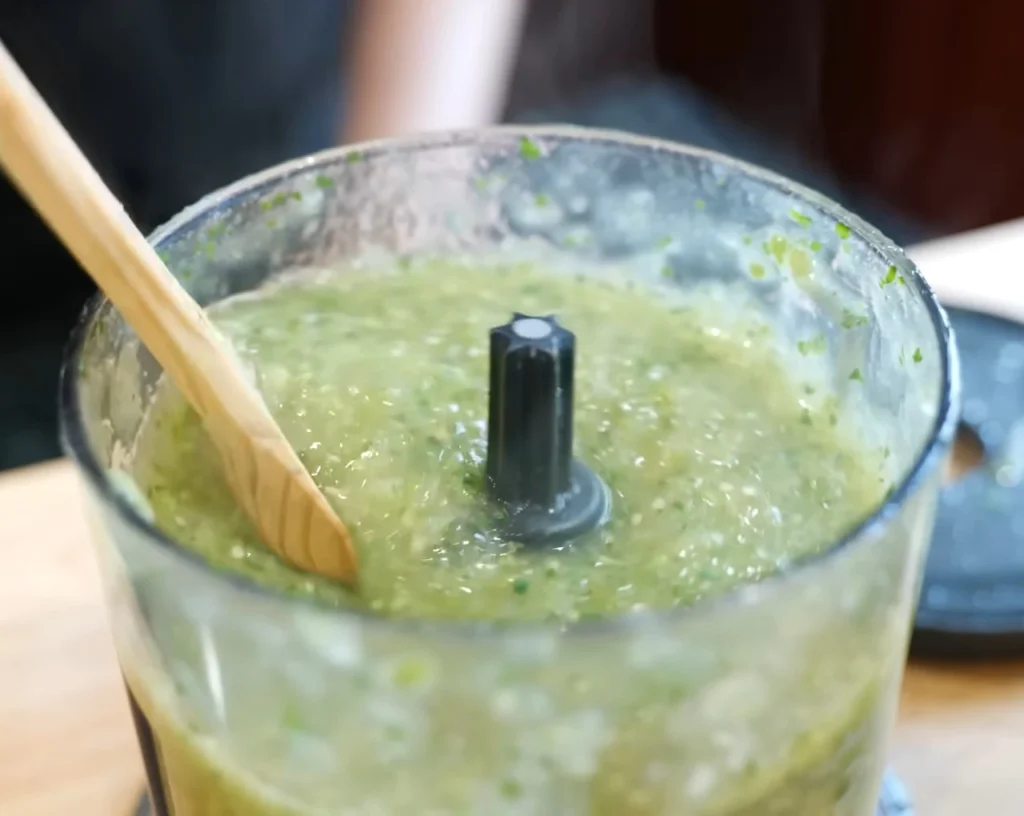
Blend until smooth and creamy. If the sauce feels too thick, add a small amount of water until it reaches your preferred consistency.
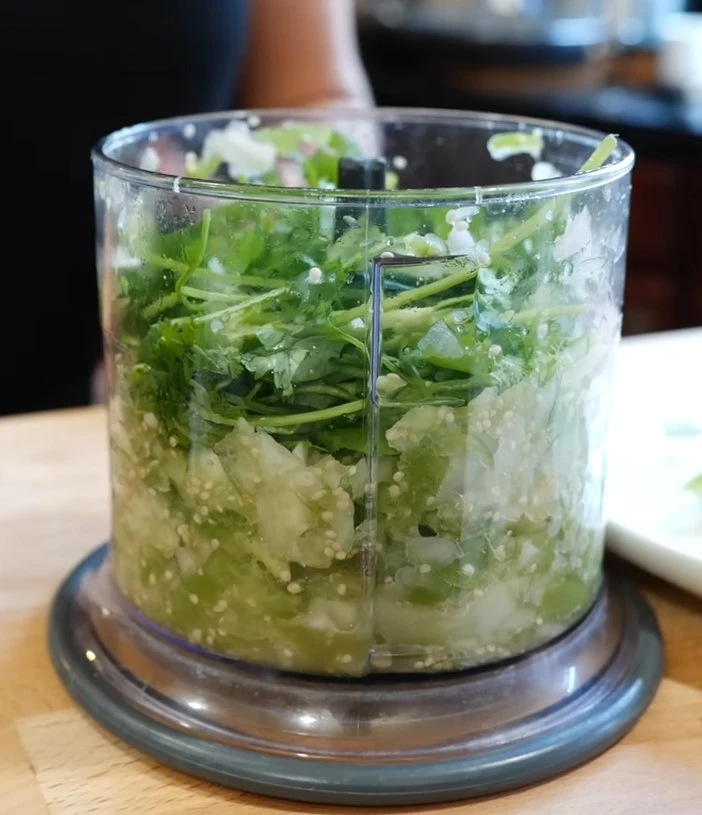
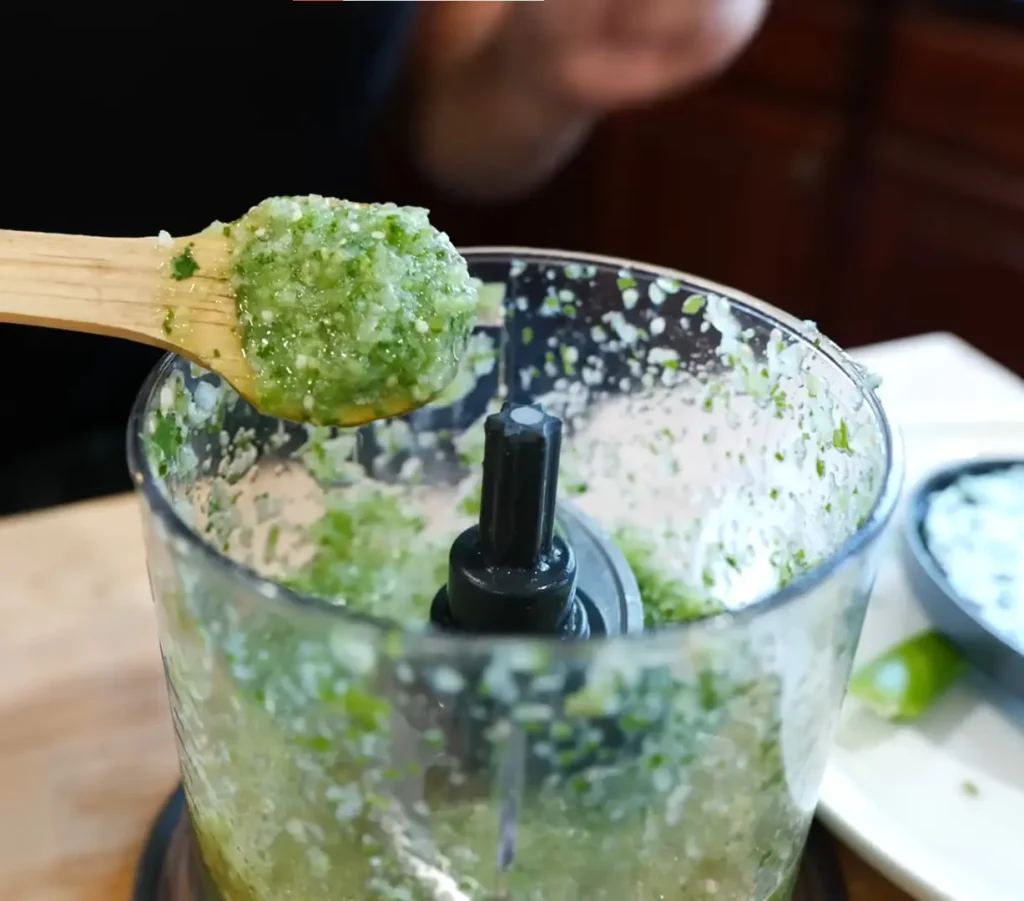
For a taco topping, a smooth pourable texture works best. For dipping chips or serving with thicker foods, leave it slightly thicker.
Adjust the flavor
Taste the sauce after blending and adjust the balance if needed.
You can:
- Add more lime juice for extra brightness.
- Add salt if the flavors taste flat.
- Add another pepper for more heat.
- Add a little oil if the sauce feels too sharp.
The finished sauce should taste fresh, slightly tangy, savory, and spicy without any single ingredient overpowering the others.
What Makes This Green Taco Sauce Different?
This green taco sauce recipe stands out because it focuses on balance. Instead of making a sauce that is only spicy, it combines roasted vegetables, fresh herbs, and citrus to create a flavor that works with many different foods.
The roasted tomatillos bring a mild tangy flavor, while jalapeños add a fresh pepper taste and adjustable heat. Garlic and onion create a savory base, cilantro adds freshness, and lime keeps the sauce bright.
Many homemade sauces become too spicy, too sour, or too watery because the flavors are not balanced. This recipe keeps the heat noticeable but allows the roasted vegetable flavor to stay at the center.
The roasting step also makes a big difference. Cooking the vegetables for a short time softens their flavor and adds a deeper taste compared with blending raw ingredients.
How To Adjust The Spice Level
The spice level of homemade green taco sauce depends mostly on the peppers you use and how you prepare them. Small changes can completely change the final heat level.
For a mild green sauce, use one jalapeño instead of two and remove the seeds and inner white parts. You can also increase the amount of tomatillos to create a fresher, lighter flavor.
For medium heat, follow the recipe as written. Two jalapeños usually provide a balanced spice level that works well for most taco fillings.
For a hotter sauce, add serrano peppers or keep some jalapeño seeds. Serranos create a sharper heat, while extra jalapeños increase the pepper flavor.
A good approach is to add heat slowly. You can always blend in another pepper, but it is difficult to reduce spice once it has already been added.
How To Get The Perfect Texture
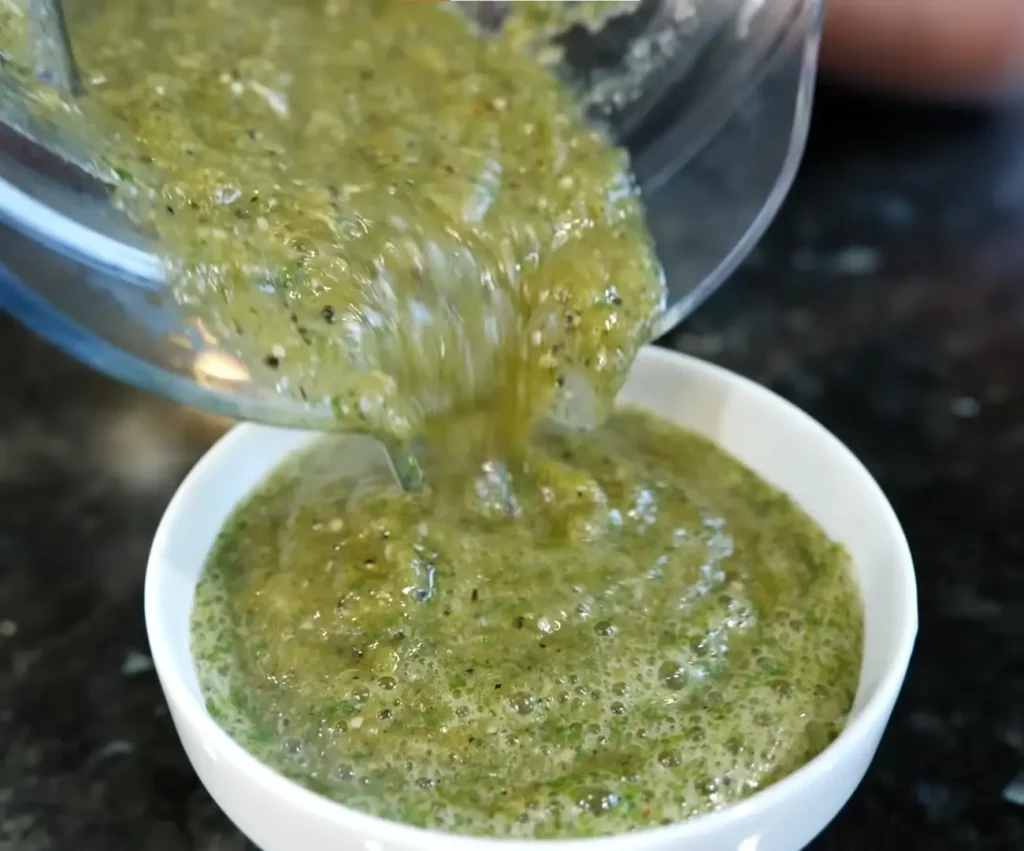
The texture of green taco sauce depends on the amount of vegetables, liquid, and blending time. A good taco sauce should be smooth enough to drizzle but thick enough to stay on your food.
For a thinner sauce:
- Add water one tablespoon at a time.
- Add a little extra lime juice for a brighter flavor.
- Blend longer for a smoother consistency.
For a thicker sauce:
- Use slightly fewer liquids.
- Add an extra roasted tomatillo.
- Blend for a shorter time to keep more texture.
If you prefer a creamy green taco sauce, blend in half an avocado or a spoonful of Greek yogurt. These additions create a richer texture while keeping the fresh green flavor.
The sauce may also thicken slightly after chilling in the refrigerator, so adjust the consistency after it has rested if needed.
Green Taco Sauce Variations And Substitutions
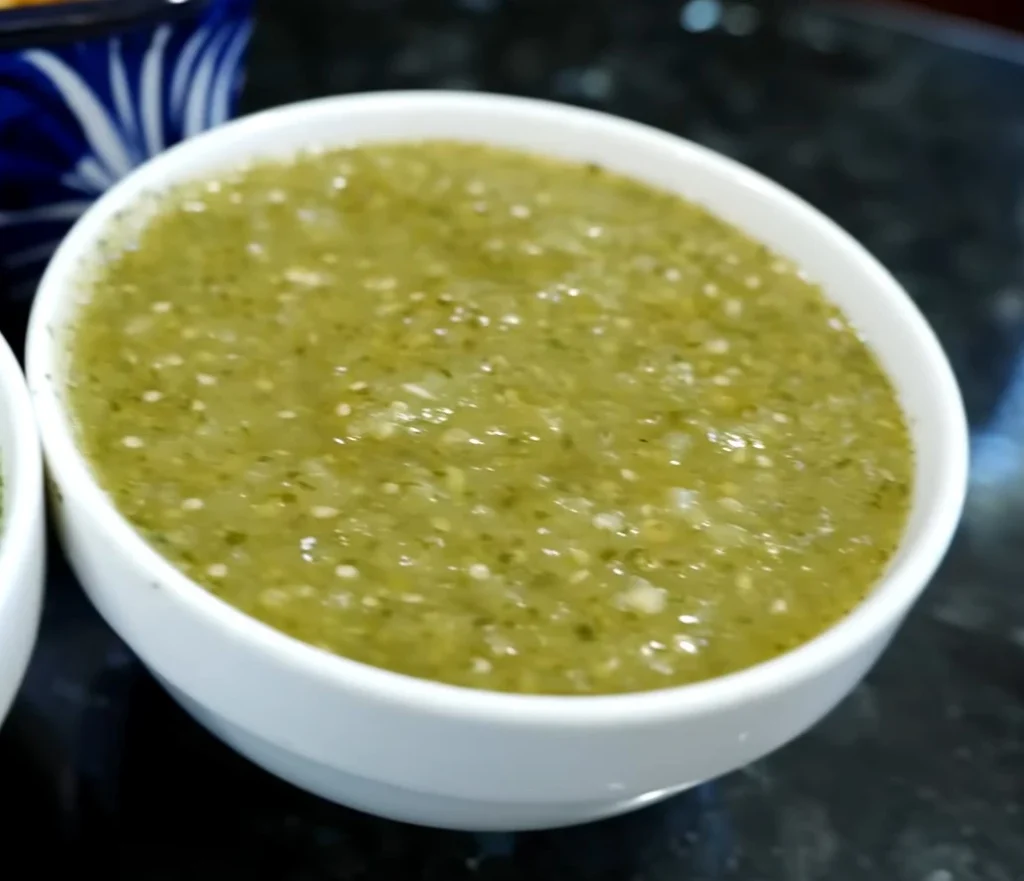
The main recipe creates a classic roasted green sauce, but you can easily customize it based on your taste and the meal you are preparing.
Creamy Green Taco Sauce
For a smoother and richer sauce, add one ripe avocado while blending. The avocado creates a creamy texture and works especially well with fish tacos, shrimp tacos, and grilled chicken.
You can also add two tablespoons of sour cream or Greek yogurt for a creamy taco truck style sauce.
Extra Spicy Green Sauce
Replace one jalapeño with a serrano pepper or add an extra serrano for more heat.
Serranos have a sharper spice compared with jalapeños, so add them gradually.
Tomatillo Salsa Verde Style
For a more traditional salsa verde flavor, increase the tomatillos and reduce the oil slightly. This creates a brighter sauce with a stronger roasted tomatillo taste.
Cilantro Free Version
If you do not enjoy cilantro, simply leave it out. The sauce will still have plenty of flavor from the roasted vegetables, lime, and peppers.
Fresh parsley can be added for a different herbal note, but it will not taste exactly the same.
Dairy Free Creamy Version
Use avocado instead of sour cream or yogurt to create a creamy texture without dairy.
What To Serve With Green Taco Sauce
Green taco sauce works with much more than traditional tacos. Its fresh flavor and mild heat make it a useful topping for many Mexican inspired meals.
Chicken Tacos
The fresh acidity of the sauce pairs well with grilled or shredded chicken. The lime and cilantro help brighten the richer flavor of the meat.
Beef Tacos
Roasted green sauce cuts through the richness of beef tacos. The acidity from tomatillos and lime helps create a more balanced bite.
Fish Tacos
Green sauce is especially good with fish because the fresh citrus flavor complements seafood. A creamy avocado version works particularly well with grilled or fried fish.
Shrimp Tacos
The sauce adds freshness to shrimp tacos without covering the natural sweetness of the shrimp.
Burritos
A spoonful of green sauce adds moisture and flavor inside burritos. It works well with beans, rice, chicken, and beef fillings.
Quesadillas
Serve it on the side or drizzle it over melted cheese. The fresh ingredients help balance the richness of the cheese.
Nachos
Green taco sauce makes a great topping for nachos. Add it after baking so the fresh flavor remains noticeable.
Rice Bowls
Use it as a finishing sauce over rice bowls with grilled meats, beans, vegetables, or avocado.

Green Taco Sauce Recipe
Ingredients
Equipment
Method
- Remove the husks from the tomatillos and rinse them well. Cut the onion into large pieces, leave the garlic cloves whole, and remove the stems from the jalapeños. For a milder sauce, remove the jalapeño seeds and inner membranes.
- Preheat the oven to 425°F. Arrange the tomatillos, jalapeños, onion, and garlic on a baking sheet. Roast for 8 to 10 minutes, turning once, until the tomatillos soften and the vegetables develop light browned or blistered spots.
- Transfer the roasted vegetables to a blender or food processor. Add the cilantro, lime juice, vegetable oil, and salt. Blend until smooth.
- If the sauce is too thick, add water one tablespoon at a time and blend again until it reaches a smooth, pourable consistency.
- Taste the finished sauce and adjust as needed. Add a little more lime for brightness, salt if the flavor seems flat, or another jalapeño if you want more heat.
- Serve immediately with tacos, burritos, quesadillas, nachos, rice bowls, grilled meats, fish, or shrimp.
Notes
- For a milder sauce, use one jalapeño and remove the seeds and membranes.
- For a hotter sauce, keep some jalapeño seeds or replace one jalapeño with a serrano pepper.
- For a creamy version, blend in ½ ripe avocado or add 2 tablespoons of sour cream or Greek yogurt.
- Store leftovers in an airtight container in the refrigerator.
- Creamy versions containing avocado, sour cream, or Greek yogurt may change texture when frozen.
Common Mistakes When Making Green Taco Sauce
Even simple sauces can go wrong if the balance of ingredients is not right. These are some common problems and easy fixes.
Sauce Is Too Spicy
Too much heat usually comes from adding too many peppers or keeping all the seeds.
To fix it, blend in extra roasted tomatillos, avocado, or a small amount of dairy like sour cream. These ingredients help soften the heat.
Sauce Is Too Sour
Tomatillos and lime both add acidity, but too much can make the sauce taste sharp.
Balance it by adding a little more salt, avocado, or oil. A small amount of sweetness from roasted vegetables can also help.
Sauce Tastes Bitter
A bitter flavor usually comes from over-roasted peppers, burnt garlic, or too much cilantro.
Avoid heavily blackening the vegetables and use fresh ingredients. If the bitterness is mild, adding more lime, salt, or avocado can help balance it.
Sauce Is Too Thin
A watery sauce usually happens when too much liquid is added.
Blend in another roasted tomatillo or avocado to thicken it naturally.
Sauce Is Too Thick
Add small amounts of water or lime juice until the texture becomes easier to pour.
Avoid adding too much liquid at once because it can weaken the flavor.
Sauce Lacks Flavor
A bland sauce usually needs better balance rather than more ingredients.
Try adding a little more salt, lime juice, or roasted pepper. These small adjustments often bring the flavors together.
How To Store Homemade Green Taco Sauce
Homemade green taco sauce is best stored in an airtight container in the refrigerator. A glass jar or sealed food container helps protect the flavor and prevents the sauce from absorbing other refrigerator smells.
The flavor often becomes slightly better after resting because the ingredients have time to blend together.
For the best quality:
- Store the sauce covered in the refrigerator.
- Use a clean spoon when serving.
- Stir before using if separation occurs.
You can prepare the sauce ahead of time and keep it ready for taco nights, burritos, and quick meals.
Freezing is possible, but the texture may change after thawing, especially if you add avocado, sour cream, or yogurt. A roasted tomatillo based sauce without creamy ingredients usually freezes better.
If you freeze it, thaw it in the refrigerator and blend briefly again to improve the texture.
Frequently Asked Questions About Green Taco Sauce
What is green taco sauce made of?
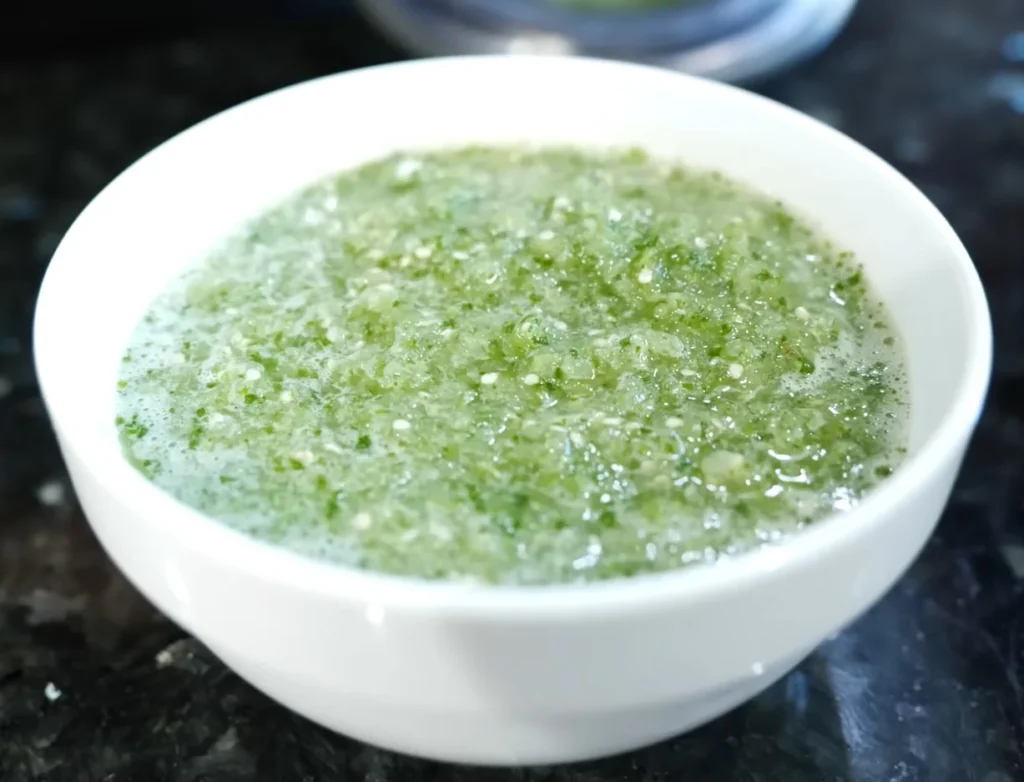
Green taco sauce is commonly made with green peppers, tomatillos, onion, garlic, cilantro, lime, and salt. The exact ingredients vary by recipe. In this version, roasted tomatillos provide the tangy base, while jalapeños add heat. Cilantro and lime bring freshness, and roasted garlic and onion give the sauce more depth.
Is green taco sauce the same as salsa verde?
Not always. Salsa verde generally refers to a green sauce made with tomatillos and other fresh ingredients, while green taco sauce can include a wider range of ingredients and textures. Some versions are thin and spicy, while others are creamy. This recipe uses roasted tomatillos and jalapeños for a smooth sauce made specifically to pair with tacos and other Mexican inspired foods.
How can I make green taco sauce less spicy?
The easiest way is to reduce the number of jalapeños and remove the seeds and inner membranes before roasting. You can also blend in an extra tomatillo or some avocado to soften the heat. If the sauce is already finished and tastes too spicy, add these ingredients gradually until the heat becomes more comfortable.
Can I make green taco sauce without cilantro?
Yes, you can leave cilantro out. The sauce will still have plenty of flavor from the roasted tomatillos, peppers, onion, garlic, and lime. The finished taste will be less herbal, but it can still work well with tacos, burritos, seafood, and grilled meats. Fresh parsley can be used in a small amount, although it will create a different flavor.
How long does homemade green taco sauce last?
Homemade green taco sauce should be kept in a clean, airtight container in the refrigerator. Since the recipe contains fresh ingredients, its quality will decline over time. Check the sauce before serving and discard it if it develops an unusual smell, appearance, or texture. For the best quality, make smaller batches that you can use within a few meals.
Can I freeze green taco sauce?
Yes, a basic tomatillo and pepper sauce can be frozen, although the texture may change slightly after thawing. Creamy versions containing avocado, sour cream, or Greek yogurt are less suitable for freezing because they can become uneven or watery. Store the sauce in a freezer safe container, thaw it in the refrigerator, and stir or briefly blend before serving.
What tacos go best with green taco sauce?
Green taco sauce works especially well with chicken, fish, shrimp, and beef tacos. Its fresh acidity helps balance richer fillings, while the pepper flavor adds heat without overwhelming the main ingredient. It is also excellent with breakfast tacos, burritos, quesadillas, nachos, and rice bowls when you want a bright finishing sauce.
Conclusion
A good green sauce can make even a simple taco dinner feel more complete. This green taco sauce recipe combines roasted tomatillos, jalapeños, garlic, onion, cilantro, and lime for a sauce that is fresh, tangy, savory, and easy to adjust.
The roasting step gives the vegetables deeper flavor, while the lime and cilantro keep the sauce bright. You can make it mild or spicy, smooth or slightly textured, and even turn it into a creamy version with avocado or yogurt.
Keep a jar in the refrigerator for taco night, burritos, quesadillas, seafood, or grilled meats. Once you make a batch at home, it is easy to see how handy a fresh green sauce can be. Give it a try with your favorite tacos and adjust the heat to suit your table.