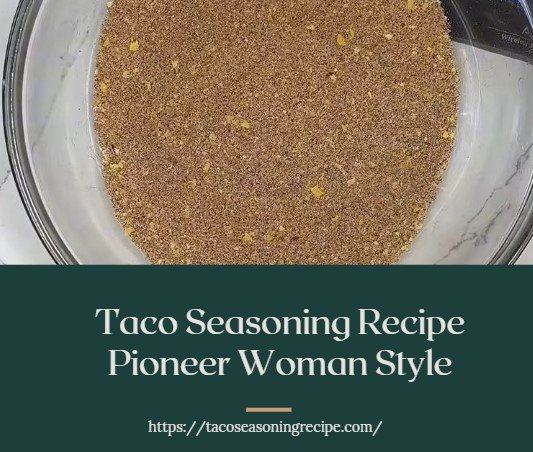
Taco Seasoning Recipe Pioneer Woman Style
All credits belong to the creator.
Pioneer Woman Taco Seasoning Recipe
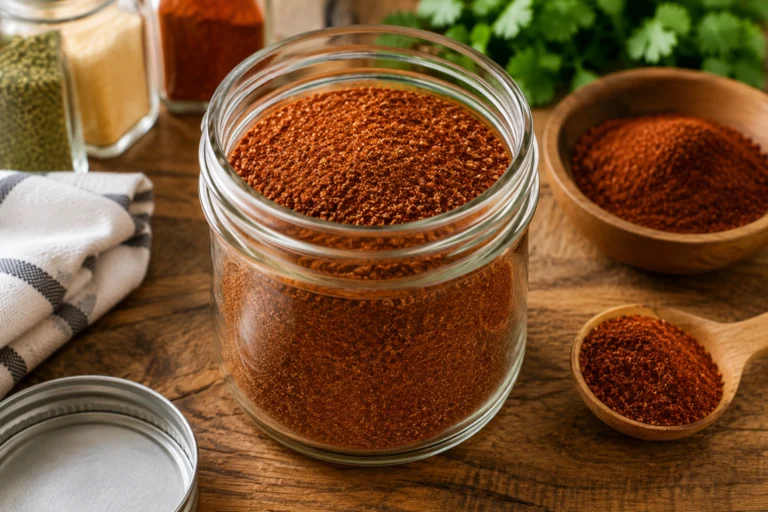
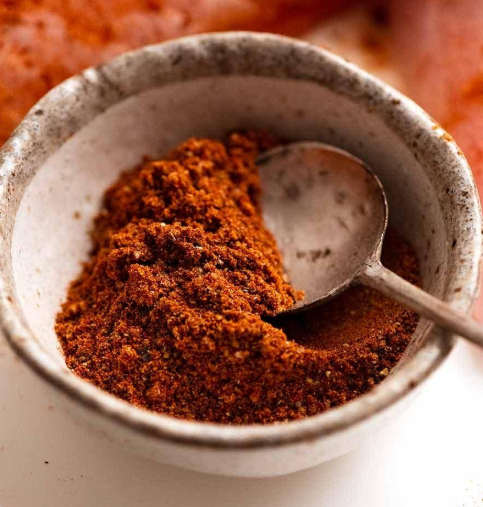
The Pioneer Woman taco seasoning recipe is a homemade spice blend designed to replace store-bought taco seasoning packets. It uses pantry staples like chili powder, cumin, paprika, garlic powder, onion powder, oregano, salt, and black pepper to create a rich Tex-Mex flavor.
One batch seasons about 1 pound of ground beef, chicken, or turkey and can be customized for low-sodium, mild, or spicy variations. Stored in an airtight container, this flavorful seasoning blend stays fresh for up to six months.
Prep Time
Ready in just 5 minutes
Serves
Seasons 1 pound of meat
Ingredients
Made with simple pantry spices
Storage
Stays fresh up to 6 months
Taco night comes together much quicker when a homemade seasoning blend is already waiting in your pantry. This Pioneer Woman Taco Seasoning Recipe combines everyday spices into a balanced mix that’s warm, savory, and easy to customize. I enjoy keeping a jar on hand because it saves time and lets me control the salt and spice level. Once you make your own homemade taco seasoning, reaching for store-bought packets becomes much less tempting.
The Pioneer Woman Taco Seasoning Recipe is a simple homemade taco seasoning made from pantry spices like chili powder, cumin, paprika, garlic powder, onion powder, oregano, salt, and black pepper. It takes only a few minutes to mix, stores well for months in an airtight container, and works with ground beef, chicken, turkey, beans, vegetables, soups, and many other Tex-Mex-inspired meals
Why You’ll Love This Recipe
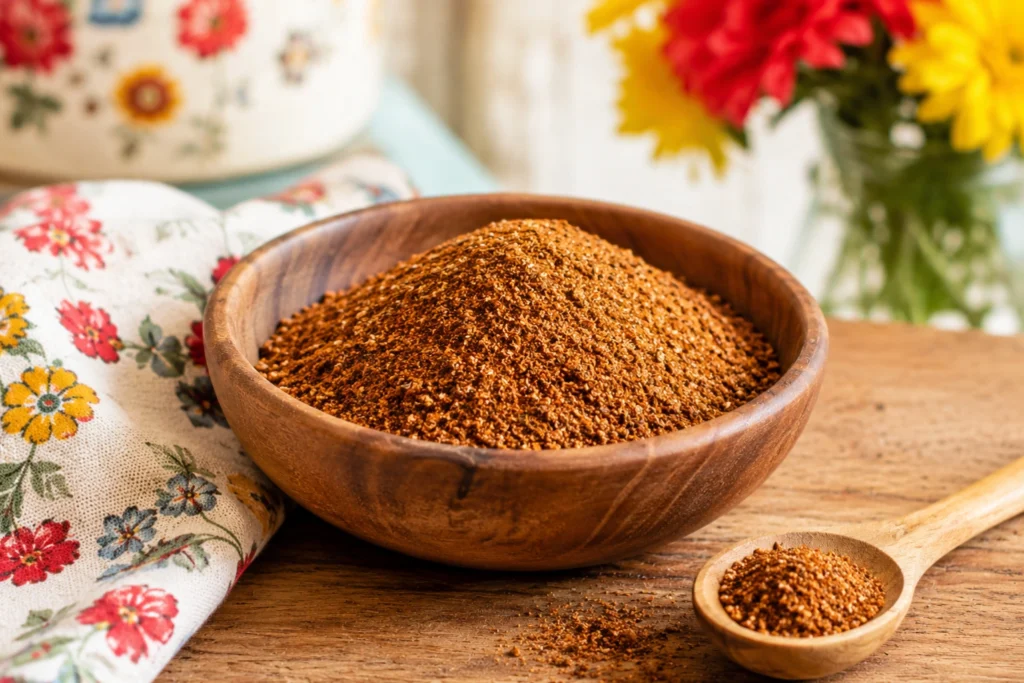
There are plenty of reasons to keep this easy taco seasoning in your kitchen.
- Ready in about five minutes with common pantry spices.
- Lets you control the amount of salt and heat.
- No preservatives, anti-caking agents, or unnecessary fillers.
- Works with beef, chicken, turkey, pork, seafood, and vegetables.
- Easy to double or triple for meal prep.
- Costs less per serving than most seasoning packets.
- Stores well, making busy weeknight dinners much easier.
- Simple to customize with extra spice, smokiness, or garlic.
One thing I’ve found especially helpful is mixing a larger batch before a busy week. Having a jar ready makes tacos, rice bowls, and fajitas come together with very little effort.
What Makes This Recipe Different?
Many homemade taco seasoning recipes lean heavily on chili powder or salt, leaving the final dish either too spicy or lacking depth. This version focuses on balance instead.
Rather than letting one spice dominate, each ingredient has a specific purpose. Chili powder creates the familiar taco flavor, cumin provides earthy warmth, paprika adds color and mild sweetness, while garlic and onion powders round everything out with savory notes.
The blend is also flexible. If your family enjoys milder meals, you can reduce the heat without losing the classic taco flavor. If you prefer a smokier seasoning, smoked paprika or chipotle powder can be added without changing the overall character of the blend.
That flexibility makes this DIY taco seasoning useful for much more than tacos.
Ingredient Overview
This seasoning blend relies on everyday pantry staples, but the freshness and quality of each spice make a noticeable difference.
Chili Powder
Chili powder forms the foundation of the blend. It provides mild heat along with the classic Tex-Mex flavor most people expect from taco seasoning.
Older chili powder tends to lose both color and aroma, so replacing it every six to twelve months usually improves the finished seasoning.
Ground Cumin
Ground cumin gives taco seasoning its earthy, warm character. Without it, the blend can taste flat even if the other spices are present.
I’ve noticed freshly opened cumin has a richer aroma than jars that have been sitting in the pantry for a long time.
Paprika
Paprika contributes vibrant color along with gentle sweetness. Regular paprika keeps the seasoning balanced, while smoked paprika introduces a deeper smoky flavor that’s especially good with grilled meats.
Garlic Powder
Garlic powder spreads evenly throughout the spice blend, giving every bite consistent savory flavor.
Fresh garlic is wonderful in cooked taco meat, but garlic powder works much better inside a dry seasoning mix because it blends evenly and stores well.
Onion Powder
Onion powder supports the garlic without becoming overpowering. Together, they create a deeper savory base that complements the spices.
Dried Oregano
A small amount of oregano brings herbal freshness that balances the richer spices. Mexican oregano provides a slightly different flavor profile, though regular dried oregano also works well for most home cooks.
Salt
Salt doesn’t simply make the seasoning salty it helps highlight the other spices.
If you’re watching sodium intake, you can reduce or omit the salt and season your finished dish separately.
Black Pepper
Black pepper adds gentle warmth instead of noticeable heat. It quietly supports the chili powder without taking over the blend.
Why Each Ingredient Matters
Every ingredient contributes something different to the finished seasoning.
| Ingredient | Why It Matters |
|---|---|
| Chili Powder | Creates the classic taco flavor and mild heat. |
| Ground Cumin | Adds earthy depth and signature Tex-Mex aroma. |
| Paprika | Gives color and mild sweetness. |
| Garlic Powder | Builds savory flavor throughout the blend. |
| Onion Powder | Softens and rounds out the seasoning. |
| Oregano | Adds light herbal notes that brighten the spice mix. |
| Salt | Enhances the overall flavor balance. |
| Black Pepper | Provides gentle background warmth. |
Skipping one ingredient won’t necessarily ruin the seasoning, but each spice helps create the balanced flavor that makes homemade taco seasoning taste complete.
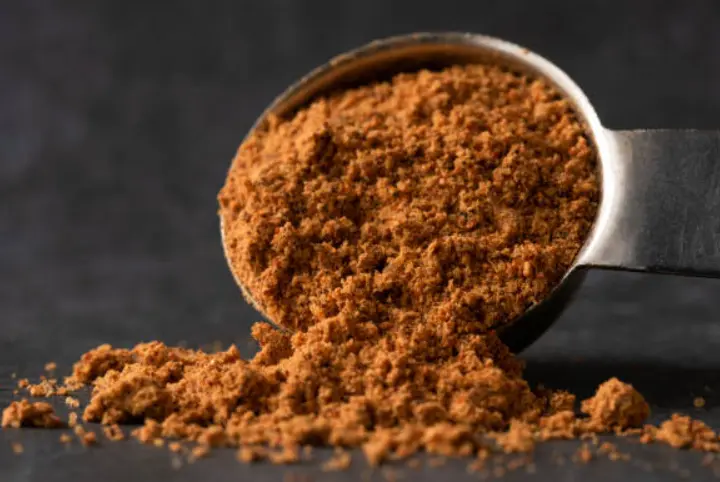
Ingredient Selection Tips
Choosing fresher spices often has a bigger impact than buying expensive brands.
- Look for spices with vibrant color rather than dull or faded tones.
- Smell each spice before using it. A weak aroma usually means it has lost much of its flavor.
- Buy smaller jars if you cook with spices only occasionally.
- Store spices away from direct sunlight, heat, and moisture.
- Replace ground spices regularly for the best flavor.
If you make tacos often, purchasing common spices like chili powder and cumin in larger containers can also save money over time.
Equipment You’ll Need
This recipe doesn’t require any special kitchen tools, but a few basics make the process easier.
- Small mixing bowl for combining the spices evenly.
- Measuring spoons to keep the seasoning balanced.
- Small whisk or spoon to break up any clumps.
- Airtight glass jar or spice container to help preserve freshness and aroma.
A glass jar is my preferred choice because it doesn’t absorb spice aromas the way some plastic containers can, and it’s easy to label with the date you mixed the seasoning.
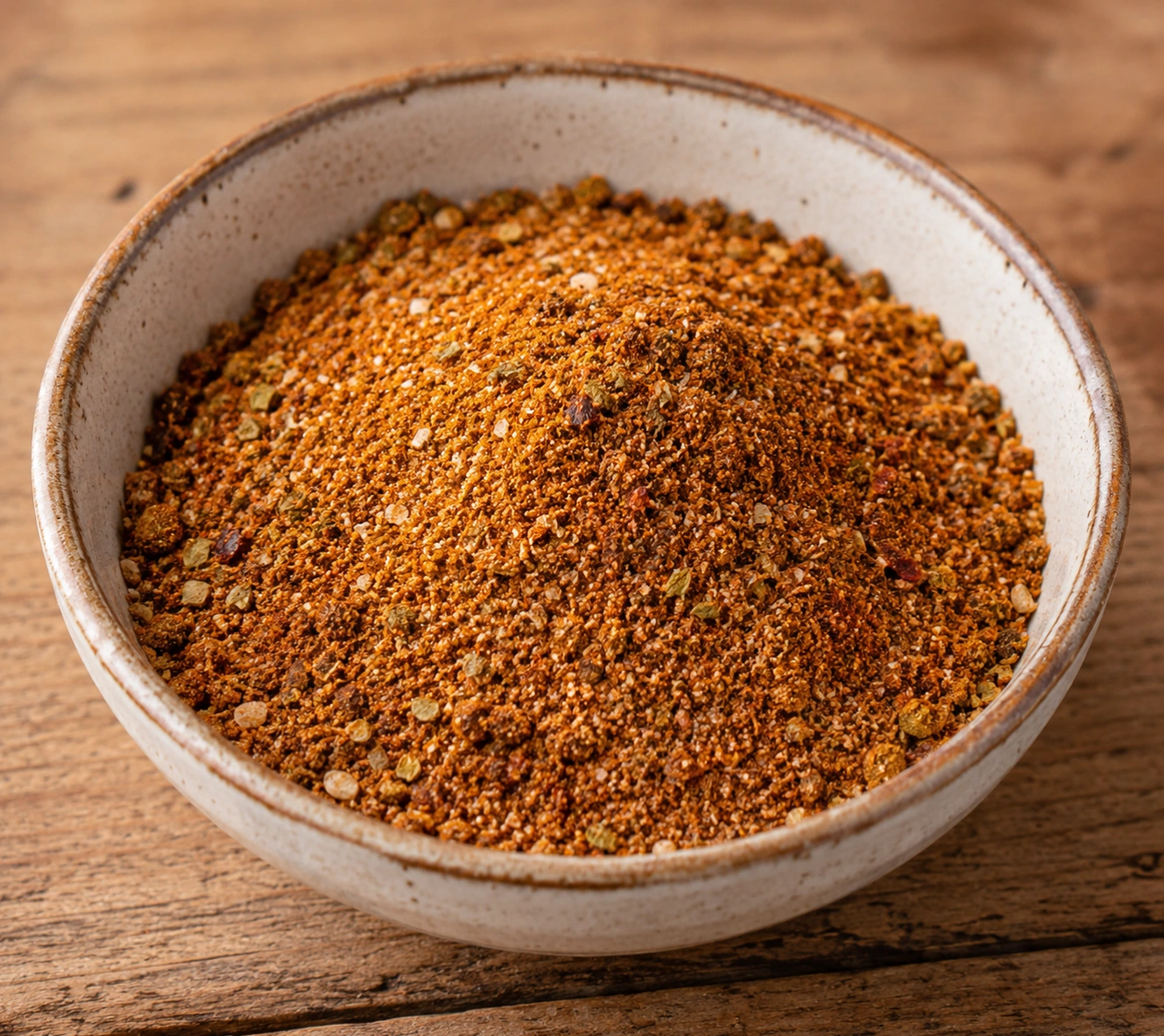

Taco Seasoning Recipe Pioneer Woman Style
Ingredients
Equipment
Method
- Add the chili powder, cumin, paprika, crushed red pepper flakes, salt, garlic powder, onion powder, dried oregano, and black pepper to a small mixing bowl.
- Whisk the spices together until evenly combined and free of clumps.
- Taste a small pinch and adjust the seasoning if desired. Add more crushed red pepper for extra heat or reduce the salt for a lower-sodium blend.
- Transfer the seasoning mixture to an airtight spice jar or container.
- Store in a cool, dark pantry for up to 6 months.
- Use approximately 2 tablespoons of seasoning per pound of ground beef, chicken, turkey, shrimp, or vegetables.
Notes
- One batch equals approximately one standard store-bought taco seasoning packet.
- For a smoky flavor, substitute smoked paprika for regular paprika.
- For a mild version, reduce or omit the crushed red pepper flakes.
- For a salt-free version, simply leave out the salt and season dishes separately.
- Fresh spices provide the best flavor and aroma.
Nutrition (Estimated Per Serving) |
Serving Size: 1 Tablespoon |
Calories: 15 |
Carbohydrates: 3g |
Protein: 1g |
Fat: 0.5g |
Saturated Fat: 0g |
Sodium: 290mg |
Fiber: 1g |
Sugar: 0g
Step Overview
Making this homemade taco seasoning is simple, but a few small details help you get the best flavor. The process only takes a few minutes, and once the spices are thoroughly mixed, you’ll have a versatile seasoning blend that’s ready whenever taco night rolls around.
Start by measuring each spice carefully. Even a small difference in cumin or salt can noticeably change the final flavor. Add everything to a small bowl before mixing instead of measuring directly into the storage jar. This makes it easier to break up any clumps and distribute every ingredient evenly.
Whisk or stir until the color looks completely uniform. You shouldn’t see streaks of paprika or pockets of garlic powder. A well-mixed seasoning blend delivers consistent flavor every time you scoop it out.
Transfer the finished blend to a clean, dry airtight container. I like to let the seasoning rest for a few hours before using it. While the spices don’t technically “cook,” their aromas seem to blend together more naturally after sitting for a little while.
If your recipe calls for taco seasoning, simply measure the amount needed from your homemade blend and follow the recipe card instructions for cooking.
Flavor Expectations
This Pioneer Woman Taco Seasoning Recipe creates a seasoning that’s balanced rather than overwhelmingly spicy.
The first flavor you’ll notice is the warm earthiness of cumin, followed by the mild heat from chili powder. Paprika contributes a gentle sweetness and beautiful reddish color without making the seasoning smoky unless you choose smoked paprika.
Garlic and onion powder provide savory depth that supports the other spices instead of standing out on their own. Black pepper adds a subtle warmth that lingers without overpowering the blend.
Overall, the seasoning has:
- Mild to medium heat
- Earthy, savory flavor
- Light herbal notes
- Gentle sweetness from paprika
- Balanced saltiness
- A warm, aromatic finish
Because the blend isn’t extremely spicy, it’s suitable for most family meals while still delivering plenty of classic taco flavor.
Customization Ideas
One of the biggest advantages of making your own DIY taco seasoning is the ability to adjust it for different recipes and personal preferences.
Make It Spicier
Add cayenne pepper, crushed red pepper flakes, or chipotle powder for extra heat. Start with a small amount since it’s easier to increase the spice than reduce it later.
Make It Milder
Reduce the chili powder slightly and skip any additional hot peppers. This version works especially well for younger children or anyone who prefers gentler flavors.
Add Smokiness
Replace regular paprika with smoked paprika or mix the two together. Smoked paprika gives grilled meats and roasted vegetables an extra layer of flavor.
Increase the Garlic
If your family enjoys bold garlic flavor, increase the garlic powder slightly. I usually keep the increase modest so it doesn’t overpower the cumin.
Lower the Sodium
Reduce or completely omit the salt from the seasoning blend. You can always season the finished meat or vegetables separately to better control sodium levels.
Add More Earthiness
A small increase in cumin creates a richer, deeper seasoning. I’ve found this variation works especially well with ground beef and slow-cooked taco fillings.
How Much Taco Seasoning Should You Use?
A good starting point is 2 to 3 tablespoons of seasoning per pound of meat, though the exact amount depends on the protein and your preferred flavor intensity.
Here’s a helpful guide:
| Food | Recommended Amount |
|---|---|
| Ground beef | 2–3 tablespoons per pound |
| Ground turkey | 2 tablespoons |
| Chicken | 2 tablespoons |
| Shrimp | 1½–2 tablespoons |
| Beans | 1–2 tablespoons |
| Roasted vegetables | 1–2 tablespoons |
| Rice | 1 tablespoon |
| Soup or chili | Add gradually and taste |
Leaner proteins such as chicken or turkey often benefit from a little extra seasoning because they have a milder flavor than beef.
Remember that homemade seasoning contains no artificial flavor enhancers, so tasting and adjusting near the end of cooking is perfectly normal.
Best Uses Beyond Tacos
This easy taco seasoning works in far more recipes than traditional tacos.
Some of my favorite ways to use it include:
- Burritos
- Quesadillas
- Fajitas
- Taco salads
- Nachos
- Rice bowls
- Mexican-style soups
- Chili
- Stuffed peppers
- Breakfast burritos
- Breakfast potatoes
- Roasted vegetables
- Black beans
- Refried beans
- Grilled chicken
- Slow cooker shredded beef
- Oven-roasted potatoes
- Corn on the cob with butter
- Homemade tortilla chips
- Popcorn for a savory snack
Keeping one seasoning blend that works across multiple meals makes weekly meal planning much easier.
Serving Ideas
Once you’ve seasoned your protein, there are countless ways to turn it into a complete meal.
Serve seasoned beef with warm tortillas, shredded lettuce, diced tomatoes, cheese, avocado, sour cream, and fresh salsa for classic tacos.
Use the seasoned meat inside burritos with Mexican rice and refried beans for a hearty dinner.
For lighter meals, spoon the seasoned chicken or turkey over salad greens, grilled corn, black beans, and sliced avocado.
This seasoning also pairs well with:
- Cilantro lime rice
- Spanish rice
- Corn salad
- Guacamole
- Pico de gallo
- Roasted peppers
- Grilled onions
- Homemade tortilla chips
Adding a squeeze of fresh lime just before serving brightens the flavors and balances the warm spices beautifully.
Storage
Homemade taco seasoning stays freshest when stored in a completely dry, airtight container in a cool pantry away from sunlight, heat, and moisture.
Humidity is one of the biggest enemies of spice blends because it causes clumping and gradually weakens the spices’ natural aromas.
Glass jars with tight-fitting lids are ideal because they don’t absorb odors and help keep moisture out. Labeling the jar with the mixing date also makes it easier to rotate your pantry spices.
Avoid storing the seasoning directly above the stove. The repeated exposure to heat and steam can shorten its shelf life even if the container remains sealed.
Shelf Life
When stored properly, homemade taco seasoning usually maintains its best flavor for about six months, although it often remains safe to use beyond that. The biggest change over time is a gradual loss of aroma and intensity rather than spoilage.
If the seasoning smells faint, looks dull, or no longer delivers much flavor during cooking, it’s time to mix a fresh batch.
One simple trick I use is to make only enough seasoning for a few months. Smaller batches stay fresher and keep the flavors vibrant.
Meal Prep Tips
This Pioneer Woman Taco Seasoning Recipe is perfect for meal prep because it scales easily.
Double or triple the recipe if your family enjoys Tex-Mex meals regularly. Store the extra seasoning in several small jars instead of one large container. Opening smaller jars less often helps preserve freshness.
You can even prepare gift-sized jars for friends and family by adding a handwritten label with suggested uses and the recommended amount per pound of meat.
Keeping a ready-made homemade taco seasoning blend in the pantry means weeknight dinners come together much faster without sacrificing flavor.
Expert Tips for the Best Homemade Taco Seasoning
A few simple habits can make a noticeable difference in both flavor and shelf life. These tips come from preparing homemade seasoning blends regularly rather than relying on store-bought packets.
Use Fresh Spices
Fresh spices create a brighter, more aromatic seasoning. Ground spices gradually lose their essential oils over time, so replacing older jars can dramatically improve the finished blend.
If your chili powder or cumin has very little aroma when you open the jar, the seasoning won’t taste nearly as vibrant.
Measure Carefully
It’s tempting to estimate spice amounts, but taco seasoning depends on balance. Even an extra teaspoon of cumin or salt can shift the flavor more than expected.
Using proper measuring spoons keeps every batch consistent.
Mix Thoroughly
Some spices naturally clump together, especially garlic powder and onion powder. Whisk the ingredients until the color is completely even before transferring them to a storage container.
That extra minute helps ensure every scoop has the same flavor.
Bloom the Seasoning While Cooking
One trick I use whenever making taco meat is to cook the seasoning briefly in a little oil before adding water or broth.
The warm oil helps release the spices’ natural aromas, giving the finished dish a deeper, more rounded flavor.
Taste Before Serving
Different brands of spices vary slightly in strength. After your meat has finished cooking, taste it before serving.
A small pinch of salt, a squeeze of lime juice, or a little extra seasoning can make the flavors feel more balanced.
Label Your Jar
Adding the mixing date to the container makes it easy to know when it’s time to prepare a fresh batch. Since homemade blends don’t contain preservatives, rotating your pantry spices keeps every meal tasting its best.
Common Mistakes to Avoid
Even a simple seasoning blend can lose flavor if a few basic details are overlooked.
Using Old Spices
This is probably the biggest reason homemade seasoning tastes flat.
Ground spices naturally lose potency over time. If the aroma is weak before mixing, the finished seasoning won’t develop much flavor during cooking.
How to fix it: Replace older spices with fresh ones and store them away from heat and sunlight.
Adding Too Much Salt
Different recipes already contain salted ingredients like broth, canned tomatoes, or cheese.
Adding a heavily salted seasoning blend on top of those ingredients can make the finished meal taste overly salty.
How to fix it: Start with less salt in the seasoning and adjust the finished dish if needed.
Using Too Much Seasoning at Once
Adding a large amount immediately doesn’t always create better flavor.
Too much seasoning can overwhelm the meat instead of enhancing it.
How to fix it: Begin with about 2 tablespoons per pound of meat, then taste and adjust near the end of cooking.
Skipping the Mixing Step
Simply shaking the spices together in a jar often leaves heavier ingredients settled at the bottom.
How to fix it: Mix thoroughly in a bowl before storing, then shake the jar before each use.
Storing Near the Stove
Many kitchens naturally keep spices beside the stove, but repeated heat and steam slowly reduce their freshness.
How to fix it: Store the seasoning in a cool, dark pantry instead.
Expecting Homemade to Taste Exactly Like Store Packets
Commercial taco seasoning often contains preservatives, anti-caking agents, sugar, starches, and flavor enhancers.
Homemade seasoning has a cleaner spice flavor, which many people prefer after trying it a few times.
Ingredient Substitutions
Homemade taco seasoning is flexible, but some substitutions change the final flavor more than others.
| Original Ingredient | Good Substitute | What Changes |
|---|---|---|
| Chili Powder | Ancho chili powder | Slightly richer, less heat |
| Paprika | Smoked paprika | Adds smoky flavor |
| Garlic Powder | Granulated garlic | Slightly stronger garlic flavor |
| Onion Powder | Granulated onion | Slightly coarser texture |
| Oregano | Mexican oregano | More citrusy, earthy notes |
| Black Pepper | White pepper | Milder pepper flavor |
| Salt | Omit or reduce | Lets you control sodium during cooking |
Ground cumin is the one ingredient I recommend keeping whenever possible. It gives taco seasoning its signature earthy character, and there isn’t a perfect substitute that recreates the same flavor.
Homemade vs. Store-Bought Taco Seasoning
| Feature | Homemade Taco Seasoning | Store-Bought Packet |
|---|---|---|
| Flavor | Fresh and customizable | Consistent but less flexible |
| Sodium | Easy to control | Often higher |
| Preservatives | None needed | Frequently included |
| Fillers | None | May contain starches or anti-caking agents |
| Heat Level | Fully adjustable | Fixed by manufacturer |
| Cost | Usually lower over time | Higher per serving |
| Shelf Life | About 6 months for best flavor | Longer due to commercial packaging |
| Flexibility | Works in many recipes | Designed mainly for tacos |
If you regularly cook Tex-Mex meals, making your own seasoning is usually more economical and gives you complete control over the flavor.
FAQ: Pioneer Woman Taco Seasoning Recipe
How much homemade taco seasoning equals one store-bought packet? One store-bought taco seasoning packet equals about 2 tablespoons of homemade blend. Use this amount per pound of ground meat for full-flavored results. The Pioneer Woman’s recipe is specifically designed to be a one-packet equivalent.
Can I make Pioneer Woman taco seasoning without salt? Yes. Simply omit the salt and season your dish to taste while cooking. A salt-free version is ideal when using canned beans, canned tomatoes, or store-bought broth all of which already contain sodium. It also makes the blend more versatile as a base rub or soup seasoning.
What’s the difference between chili powder and ground chiles in taco seasoning? Chili powder (the common American pantry version) is a pre-made blend of dried chiles, cumin, and other spices not pure chile heat. Ground ancho, guajillo, or pasilla peppers are single-chile powders with distinct flavor profiles. Pioneer Woman’s recipe uses standard chili powder, which keeps the blend mild and family-friendly.
Is Pioneer Woman taco seasoning gluten-free? Yes all nine spices in this recipe are naturally gluten-free. The concern with store-bought packets is cross-contamination during manufacturing. Making it at home with certified gluten-free spices eliminates that risk entirely. Brands like Simply Organic and Frontier Co-op carry verified gluten-free options.
How long does homemade taco seasoning stay fresh? Stored in an airtight glass jar in a cool, dark pantry, homemade taco seasoning stays flavorful for up to six months. Ground spices lose potency faster than whole ones the biggest freshness enemy is heat, light, and humidity. The spice rack on your counter next to the stove is actually the worst place to store them.
Can I use this seasoning for chicken instead of beef? Absolutely. Use 2 tablespoons per pound of chicken and either dry-rub it for 15–30 minutes before cooking, or add it with water to a skillet the same way you would with ground beef. Chicken thighs hold up to this blend especially well because their fat content carries the flavor.
Why does my homemade taco seasoning taste different than the packet? Two common reasons: old spices and missing umami. Spices older than 12 months lose essential oil content and taste dull. Toast them briefly in a dry pan before mixing to revive potency. Additionally, store-bought packets sometimes include MSG or yeast extract for savory depth. A small pinch of smoked paprika or a tiny squeeze of lime juice when cooking can replicate that effect naturally.
Can I double this recipe and store it long-term? Yes. The large batch (six-packet equivalent) is actually the most practical approach. Mix it once, store it in a labeled Mason jar, and scoop out 2 tablespoons as needed. Many home cooks triple or quadruple the recipe if they cook tacos weekly.
Conclusion
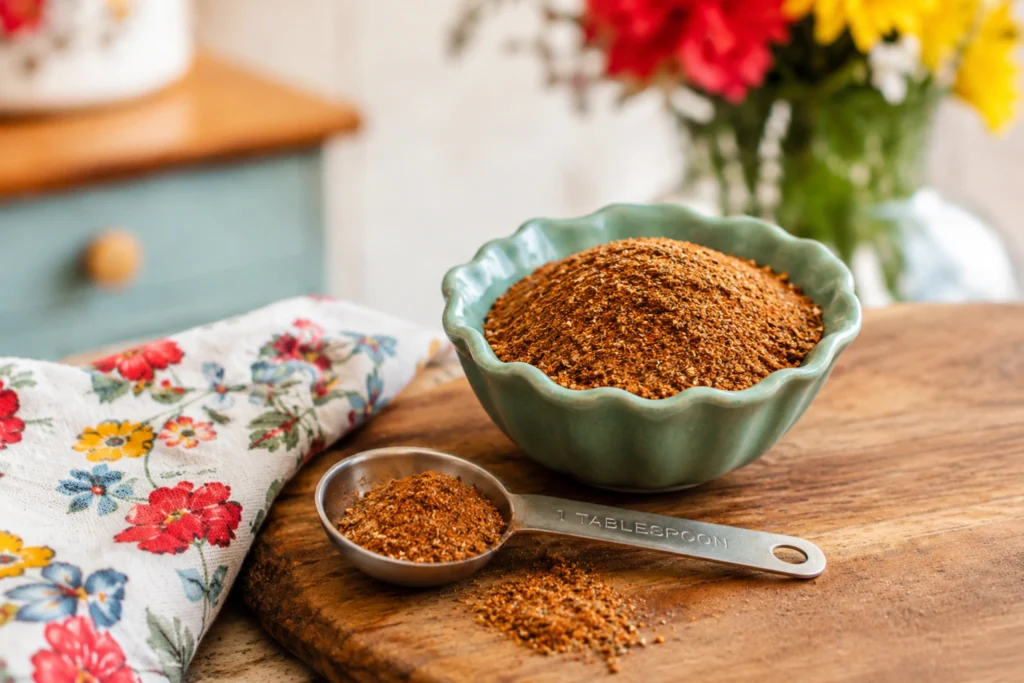
The Pioneer Woman taco seasoning recipe is one of those kitchen wins that sounds small but genuinely changes how you cook. Once you have a jar of this blend in your pantry, you stop reaching for the pre-made packets entirely. Nine spices, five minutes of mixing, and you’re set for weeks.
The key takeaways:
chili powder and cumin are your foundation, fresh spices matter, and scaling up makes the whole process more efficient. Start with the single-batch recipe, taste and adjust for your family’s heat preference, then make the six-batch version and never run out again.
Try it this week for Taco Tuesday. And if you’re ready to go deeper, check out the full taco meat recipe on tacoseasoningrecipe.com for step-by-step guidance on using this blend in the pan.