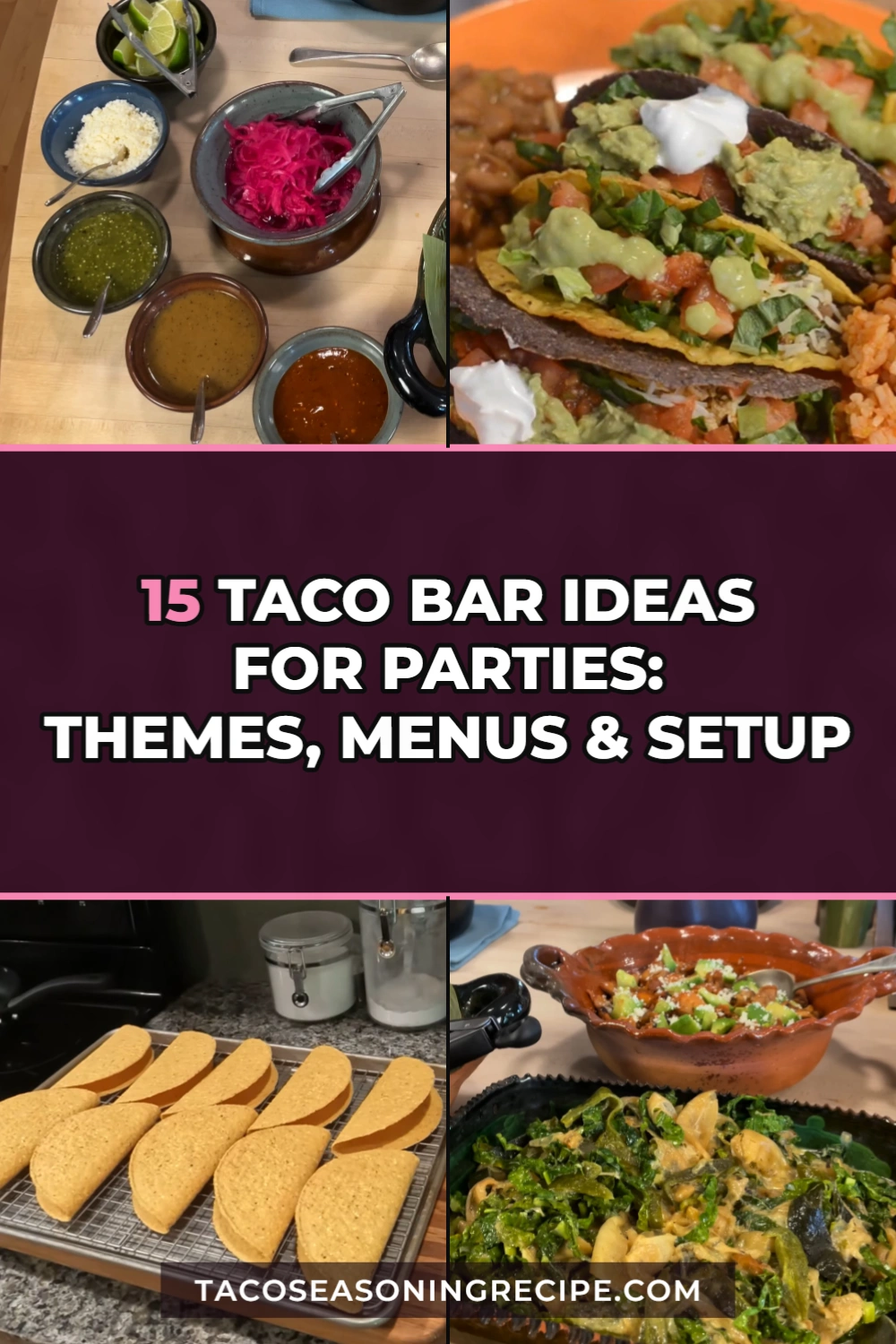
15 Taco Bar Ideas for Parties: Themes, Menus & Setup
Planning food for a party becomes much easier when guests can build their own meals. A taco bar is a flexible option for birthdays, graduation parties, game days, family dinners and backyard gatherings because the food can be prepared in advance and arranged for self-service.
The best taco bar ideas don’t have to involve dozens of ingredients. Start with a menu theme, choose one or two fillings, add a few sides and provide enough variety for guests to customize their plates. These 15 ideas will help you plan a setup that fits your occasion, budget and available preparation time.
15 Taco Bar Ideas for Your Next Party
1. Classic Build-Your-Own Taco Bar
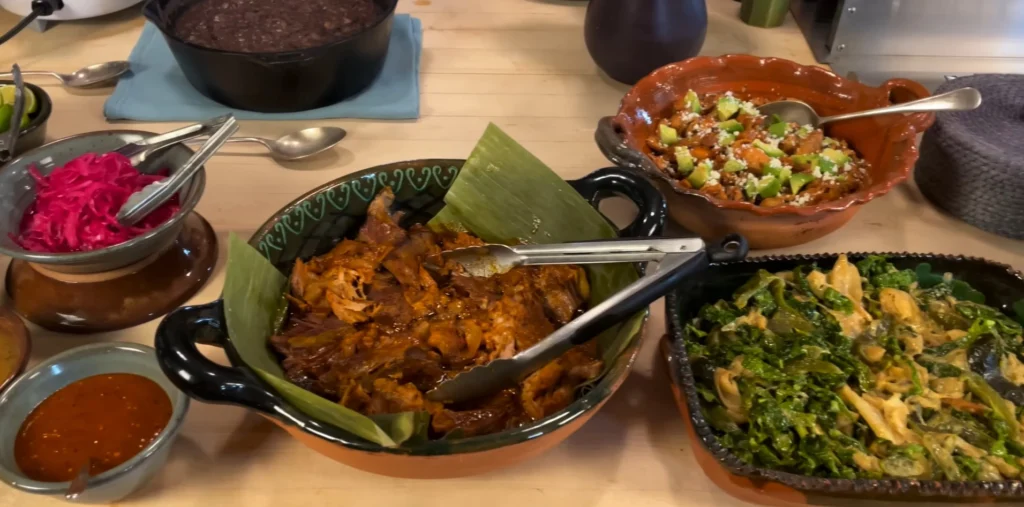
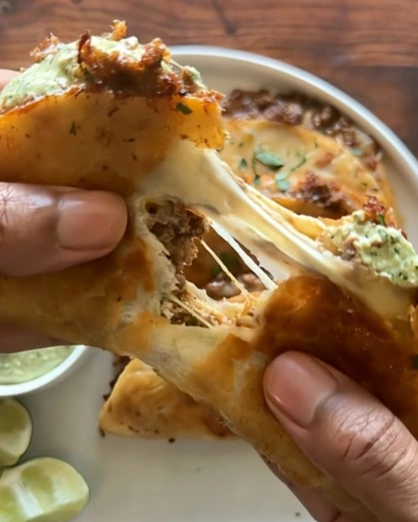
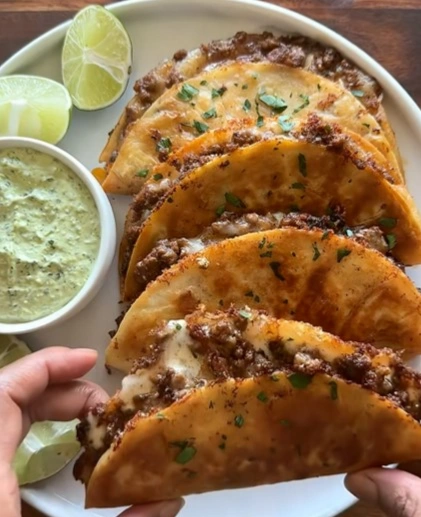
A classic taco bar is a reliable choice when you’re entertaining a mixed group. Arrange soft tortillas and hard taco shells alongside seasoned ground beef, beans, a simple side dish and a selection of familiar sauces and garnishes. Guests can assemble their tacos according to their preferences.
Keep the menu manageable instead of preparing every ingredient you can think of. If you need inspiration for individual additions, use the complete taco toppings guide on this site. It can help you choose complementary flavors without making the main party-planning article another toppings list.
2. Street-Taco-Inspired Bar
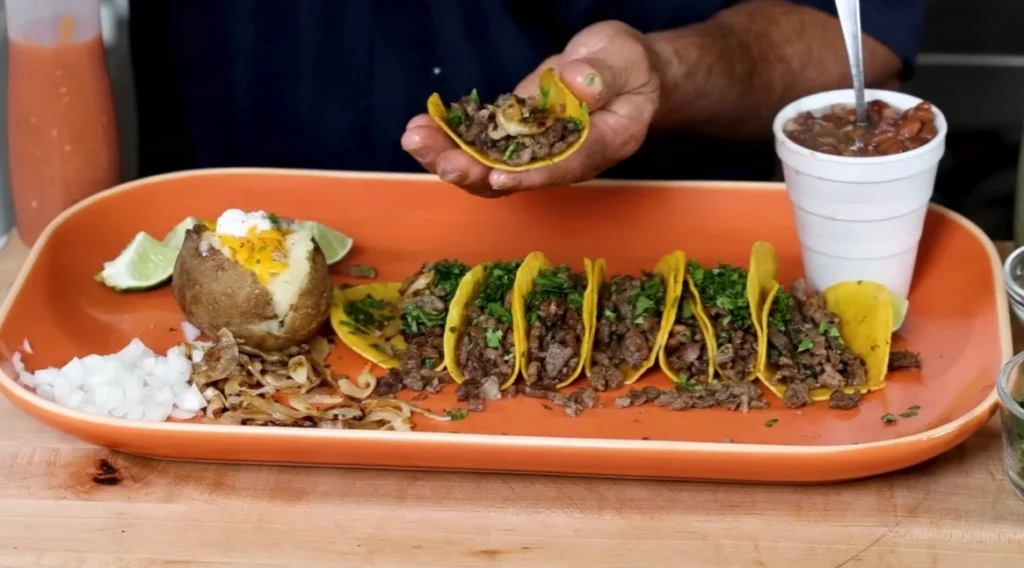
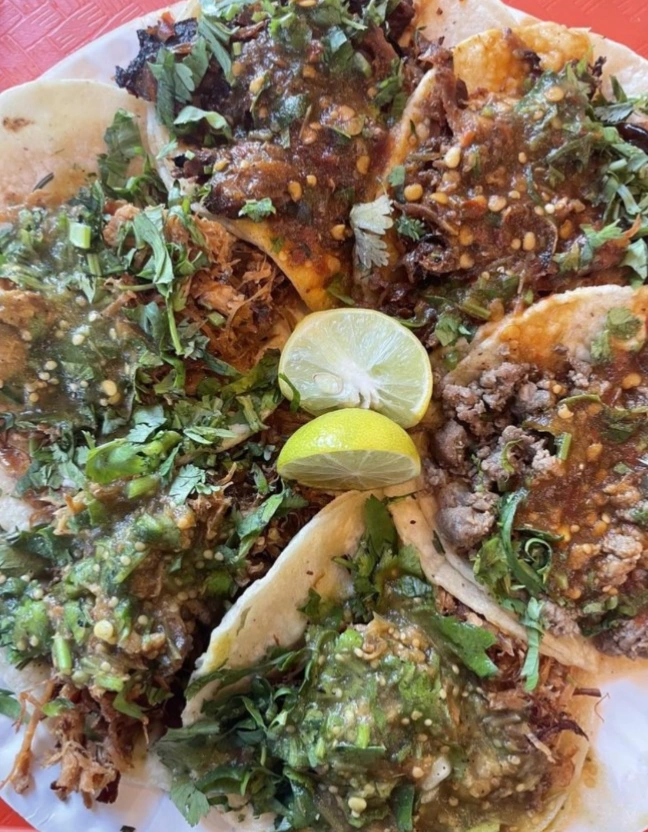
A street-taco-inspired setup features small tortillas and flavorful fillings with a simpler selection of accompaniments. You could offer grilled steak or slow-cooked pork with chopped onion, cilantro, lime and a choice of salsa.
This format works especially well for casual dinners and gatherings where guests may want to sample several small tacos. Keep the tortillas warm in covered containers, replenish them in small batches and describe the style as street-taco-inspired rather than claiming every adaptation is traditional.
3. Slow-Cooker Taco Bar
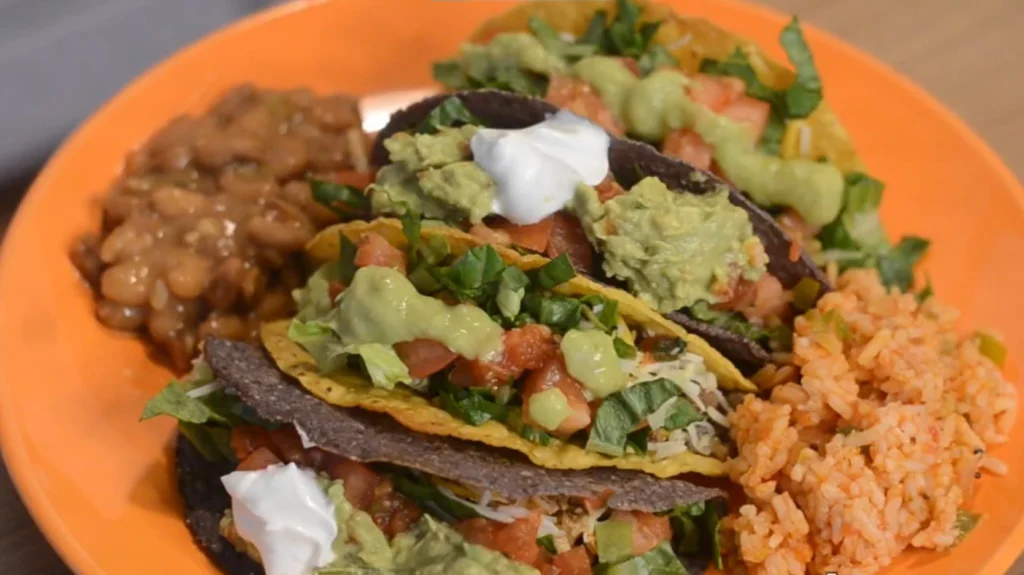
A slow-cooker taco bar is useful when you want most of the cooking finished before guests arrive. Prepare shredded chicken or another suitable filling in advance, then organize the remaining sides and serving dishes while the filling cooks.
This option can make hosting a large group less stressful because it reduces the need to cook multiple batches at the last minute. Use a suitable appliance for hot holding, and follow food-safety guidance rather than assuming a slow cooker or warming tray makes food safe indefinitely.
4. Two-Protein Taco Bar
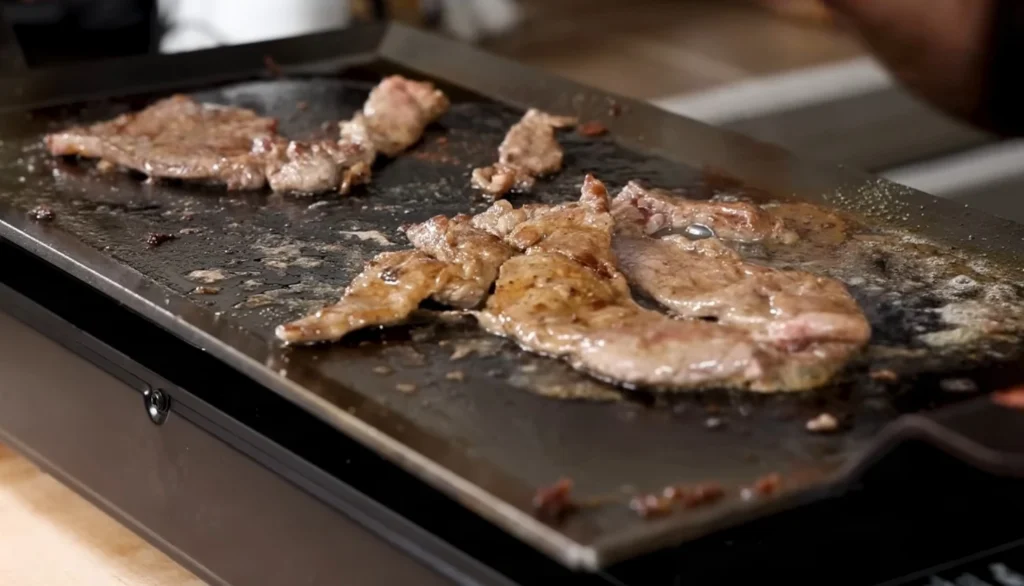
Offering two different fillings gives guests a choice without making the menu unnecessarily complicated. A familiar combination such as ground beef and shredded chicken works well for family parties and celebrations where guests have different preferences.
Prepare enough of each filling to suit the expected demand. If several guests prefer a meat-free meal, add a separate bean or vegetable option instead of expecting one meat dish to work for everyone.
5. Backyard Grilling Taco Bar

For an outdoor gathering, grill chicken, seasoned vegetables or other suitable taco fillings while keeping the remaining ingredients organized on a nearby table. The grilled components provide a different flavor and work particularly well for summer parties and relaxed weekend meals.
Prepare cold ingredients indoors and put them out in small batches as needed. Keep raw ingredients separate from ready-to-eat food, and use clean utensils and serving dishes once cooking is finished.
6. Fish and Shrimp Taco Bar
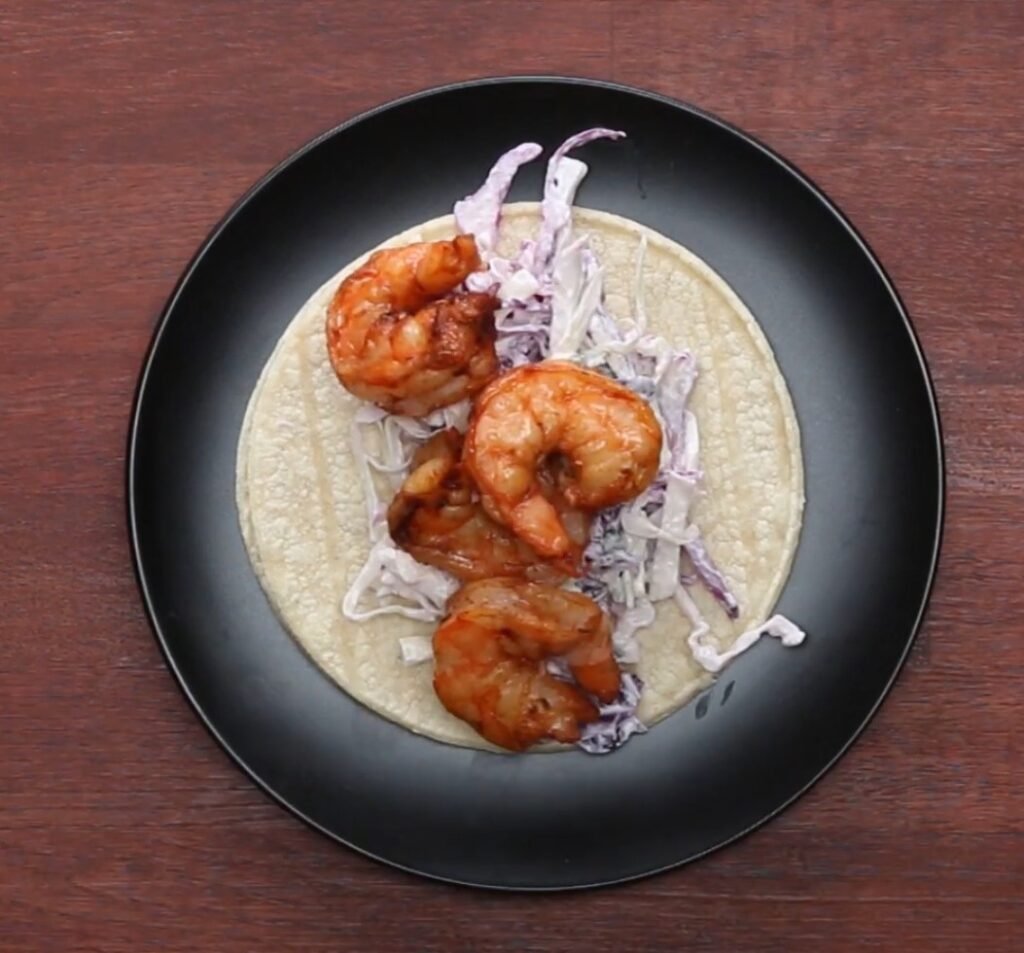
A seafood taco bar is a good option for guests who prefer fish or shrimp to the usual ground-beef filling. Pair the seafood with tortillas, a fresh slaw, lime and a compatible sauce to create a lighter menu.
Since seafood requires careful temperature control, keep it appropriately chilled before cooking and serve cooked portions promptly or hold them safely. Check with guests about seafood allergies and use separate serving utensils to avoid accidental contact with other dishes.
7. Vegetarian Roasted Vegetable Taco Bar
Roasted vegetables and beans make a satisfying vegetarian taco bar without requiring a meat-based centerpiece. Roast bell peppers, onions and zucchini, then serve them with seasoned black beans, tortillas and a simple side of rice.
This can also be an economical way to provide variety at a gathering. If you are serving vegetarian and meat-based fillings together, label the dishes clearly and use separate utensils so guests can select the food that suits their preferences.
8. Fully Plant-Based Taco Bar
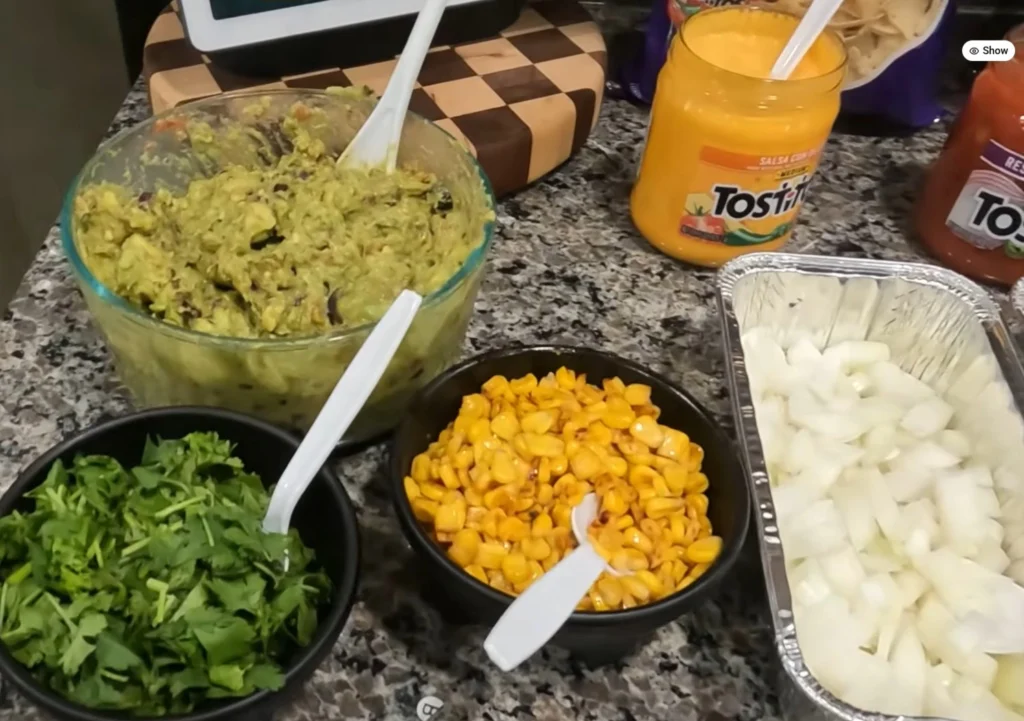
For a fully plant-based menu, combine fillings such as seasoned mushrooms, roasted cauliflower, black beans or crumbled tofu. Offer corn or another suitable tortilla option, along with plant-based sauces and simple vegetable sides.
The important difference between a vegetarian station and a fully plant-based station is checking every component, not just the main filling. Verify packaged ingredients and sauces, and use clean, separate serving utensils to help prevent contact with animal-based ingredients.
9. Breakfast and Brunch Taco Bar
A breakfast taco bar is ideal for brunches, morning celebrations and informal weekend gatherings. Set out warm tortillas, scrambled eggs, breakfast potatoes, beans and a few sauces so guests can build their own breakfast tacos.
Prepare the ingredients according to their individual cooking needs and arrange the station shortly before serving. Use small serving batches and appropriate hot holding for cooked eggs and other perishable foods.
10. Taco Bowl Bar

A taco bowl bar offers the same customizable meal in a format that doesn’t depend on tortillas. Place rice or another suitable base first, followed by beans, fillings and a few fresh additions. Provide serving bowls and forks at the start of the line.
This is helpful for guests who prefer to eat with a fork or want to reduce their use of tortillas. It also gives you a practical way to stretch the menu with rice and beans while offering a filling alternative to traditional tacos.
11. Taco Salad and Lettuce-Wrap Bar
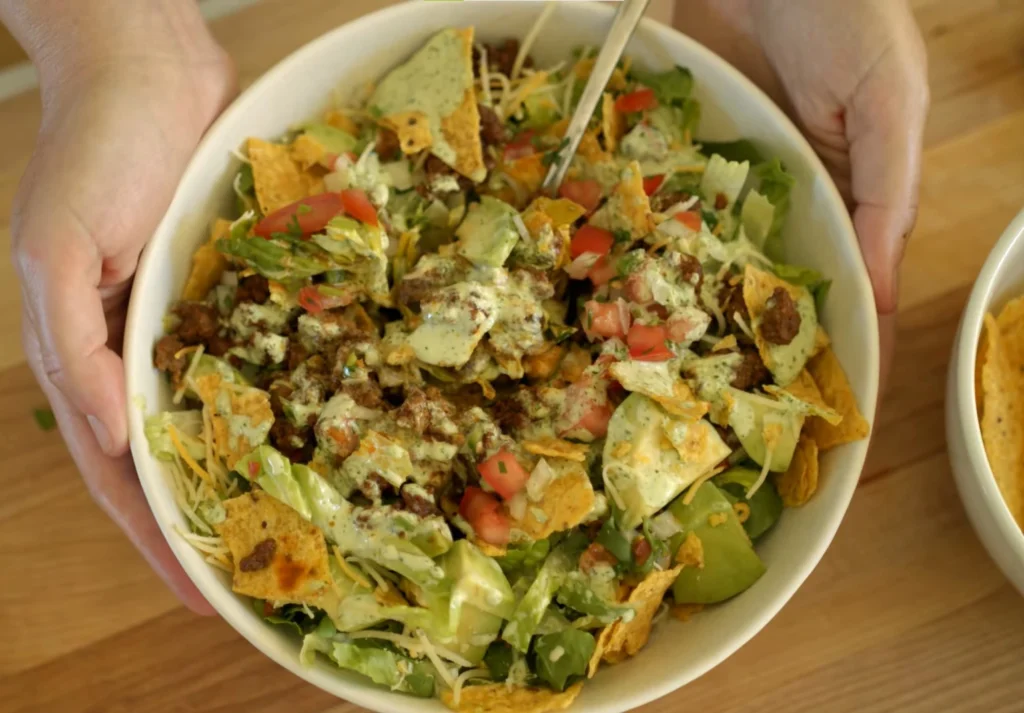
For guests looking for an alternative to standard tacos, set up a salad station with crisp lettuce, beans, vegetables and your chosen fillings. You can also provide large lettuce leaves for guests who want to make wraps instead of using tortillas.
Keep dressings and sauces separate until serving so the greens stay crisp. This format is useful at mixed-preference gatherings because guests can choose a salad, a lettuce wrap or a conventional taco using the same basic menu.
12. Taco and Nacho Combo Bar
A taco and nacho combo bar offers two ways to enjoy the same general menu. Place tortillas and chips in separate containers, then use a shared selection of suitable fillings and accompaniments. Guests can assemble tacos or create nachos from the ingredients available.
This idea works well for game days and informal celebrations, especially when the food will be served over a longer period. Put out chips in smaller batches so they retain their crunch, and keep hot ingredients separate from cold accompaniments.
13. Kid-Friendly Taco Bar
A kid-friendly taco bar should emphasize simple choices and food that is easy to assemble. Smaller tortillas, mild fillings, rice, beans and familiar accompaniments make the station approachable for younger guests.
Keep hot sauces and spicy additions at a separate point on the table so children and adults can choose their preferred heat level. Smaller serving dishes can also make it easier to replenish food without leaving a large quantity exposed throughout the party.
14. Budget-Friendly Taco Bar
A budget-friendly taco bar relies on a few versatile ingredients rather than a large selection of expensive fillings. Use beans and rice to round out the meal, choose one main protein and add seasonal vegetables or sauces that fit your budget.
Make a shopping list before buying ingredients, and choose dishes that share compatible components. Preparing one good filling and a balanced selection of sides is generally more manageable than trying to offer several proteins and numerous special-occasion extras.
15. Celebration Taco Bar for Birthdays and Graduations
For a birthday, graduation or game-day celebration, make the taco station the central food area. Use coordinated tableware, readable food labels and a layout that leaves enough space for guests to serve themselves comfortably.
The menu doesn’t need to become more complicated just because the occasion is special. Choose a manageable set of fillings, sides and sauces, then put the extra effort into organization, presentation and ensuring guests can move through the buffet without crowding one another.
How to Build a Balanced Taco Bar Menu
Once you’ve chosen the theme, decide which components you need before shopping. A simple plan helps prevent duplicate ingredients and leaves less food to prepare at the last minute.
| Menu component | Practical starting point |
|---|---|
| Tortillas and shells | Offer soft tortillas, hard shells or both, according to your chosen theme. |
| Main filling | Start with one filling, or offer two for a larger or more varied group. |
| Meat-free option | Add beans or a suitable vegetable-based filling when needed. |
| Side dishes | Choose one or two options, such as rice, beans or a salad. |
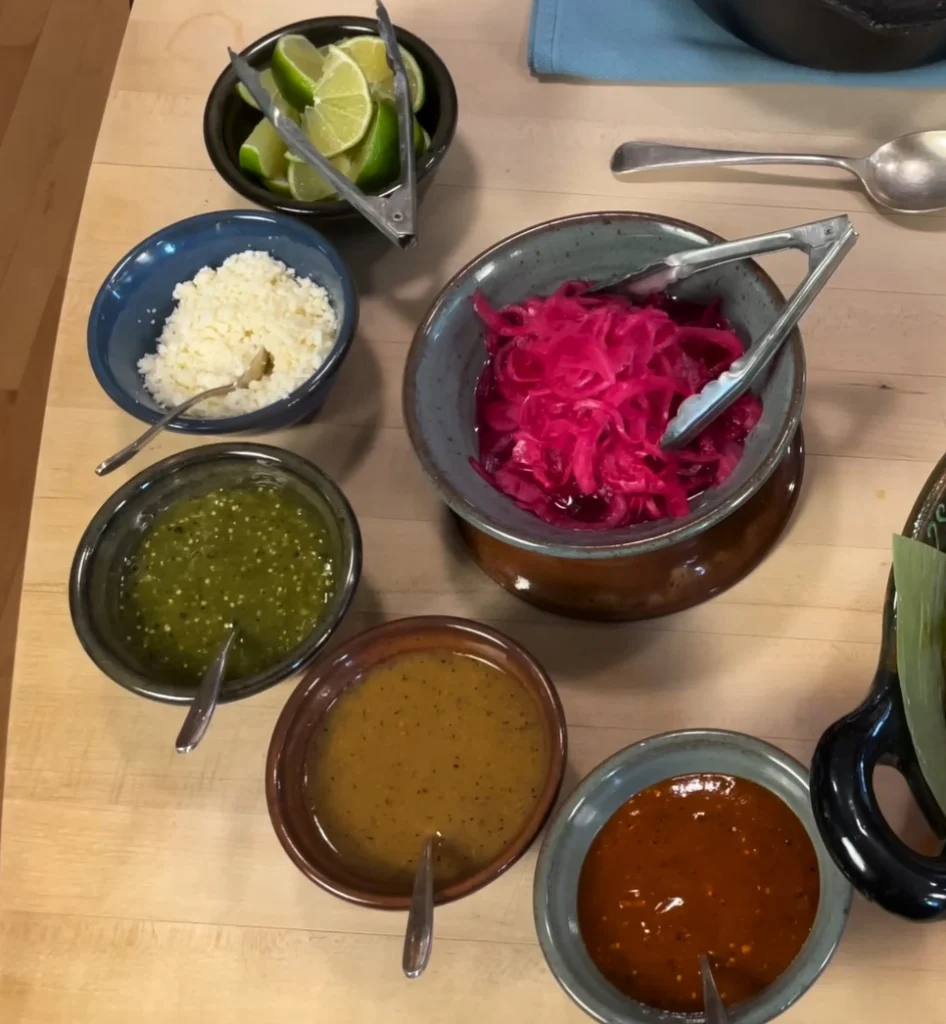
| Sauces and accompaniments | Choose a small selection that complements the fillings. |
| Drinks and serving supplies | Include water, napkins, plates, utensils and the serving tools guests need. |
You don’t need to prepare every possible ingredient. For a standard party, variety comes from combining a few different textures, flavors and bases rather than presenting a huge assortment of nearly identical options.
For homemade seasoning, use the site’s taco seasoning recipe when it suits your selected filling. Adjust the seasoning according to the recipe and the amount you are preparing.
How to Estimate Portions for Your Guest Count
The number of tacos people eat depends on appetite, taco size, the length of the event and how substantial the side dishes are. For initial planning, allow around two to three standard tacos per adult when you’re serving sides.
As a working estimate, use about two ounces of cooked filling per standard taco. The following table includes an approximate 10% cushion for extra servings, broken tortillas and variation in appetite.
| Adult guests | Planned tacos, including cushion | Estimated cooked filling |
|---|---|---|
| 10 | 22–33 | 2.75–4.25 lb |
| 20 | 44–66 | 5.5–8.5 lb |
| 30 | 66–99 | 8.25–12.5 lb |
These are planning estimates, not official serving standards. They assume two to three tacos per person and approximately two ounces of cooked filling in each taco. The quantities represent the combined cooked filling across your menu, not the amount of raw meat to purchase.
For children, lighter eaters or gatherings with several substantial sides, you may need less. If you’re serving several filling options, divide the total according to the preferences of your guests rather than automatically preparing equal amounts of everything.
Tortillas, toppings and sides also need individual estimates. Start by listing the ingredients in your chosen menu, then adjust your shopping list to suit the guest count and the format you plan to serve.
Make-Ahead Taco Bar Preparation Timeline
A little preparation can save a lot of time on the day of the party.
The day before
- Confirm the guest count, menu and shopping list.
- Prepare any suitable sauces and chop vegetables that store well.
- Cook fillings in advance where appropriate, cool and refrigerate them promptly in suitable containers.
- Set aside your serving dishes, utensils, labels and buffet supplies.
- Check dietary requirements and label ingredients that may need special attention.
A few hours before guests arrive
- Prepare the sides and finish any remaining cooking.
- Organize the buffet area and decide where hot and cold foods will go.
- Reheat prepared fillings appropriately before transferring them to suitable hot-holding equipment.
- Wash, dry and refrigerate perishable ingredients until they’re needed.
- Set out plates, utensils, napkins and serving tools.
Just before serving
- Warm tortillas and keep them covered.
- Place the first serving portions of each dish on the table.
- Add cold ingredients in small batches, replenishing them as necessary.
- Check that labels are visible and that each dish has its own serving utensil.
- Keep track of how long perishable foods remain on the buffet.
How to Arrange a Taco Bar Buffet
A good setup lets guests build their meals without reaching across hot dishes or searching for utensils.
- Start with plates and tortillas. Position plates, bowls and the taco bases at the beginning of the line.
- Arrange the fillings next. Keep hot dishes together in appropriate holding equipment, with serving utensils easy to reach.
- Add accompaniments and sides. Place bowls and dishes where guests can reach them without crossing over the hot-food area.
- Put sauces and finishing ingredients near the end. This helps keep spills away from the main dishes.
- Finish with utensils, napkins and a clear exit. Leave enough table space for guests to step away after serving themselves.
For larger groups, consider arranging a second serving point for frequently used items or splitting the buffet into two identical stations. This is often more useful than adding extra menu choices.
Dietary Options and Serving Labels
A flexible taco bar makes it easier to accommodate different preferences, but guests need to understand what each dish contains.
Label meat, seafood, vegetarian and vegan options clearly. Identify spicy dishes and check packaged ingredients when a guest has an allergy or other dietary restriction. Use separate utensils for dishes that need to remain distinct, and avoid claiming that an entire buffet is allergen-free unless the ingredients and preparation process support that claim.
When you’re planning the menu, ask guests about important restrictions in advance rather than waiting until the food is on the table. That gives you more time to prepare suitable alternatives.
Taco Bar Food-Safety Tips
A buffet needs temperature control even when the food is freshly prepared. According to the USDA Food Safety and Inspection Service’s buffet guidance, hot foods should be held at 140°F or warmer, cold foods at 40°F or colder, and perishable food should not remain at room temperature for longer than two hours—or one hour when the temperature is above 90°F. Ask USDA
To make those guidelines easier to follow:
- Use suitable warming equipment to keep hot fillings at the recommended temperature.
- Nest cold serving dishes in ice or use suitable refrigeration and small serving batches.
- Replenish dishes with fresh portions instead of continually topping up old food.
- Discard food that has exceeded the recommended time limit.
- Keep raw ingredients separate from cooked and ready-to-eat foods.
Don’t rely on smell, appearance or taste to decide whether food left out too long is safe. Follow the official guidance when planning your buffet.
Frequently Asked Questions
What should I serve at a taco bar party?
Start with tortillas or taco shells, one or two main fillings, a suitable meat-free option if needed, one or two sides, and a few complementary sauces and accompaniments. Choose the menu according to your guests, budget and type of event.
How many tacos should I plan per person?
Two to three standard tacos per adult is a useful starting estimate for a meal with sides. Plan more for smaller tacos or hungry guests, and adjust for children, appetites and the other food being served.
Can I prepare a taco bar the day before?
Yes. You can often prepare sauces, chop suitable vegetables, cook fillings and organize serving supplies ahead of time. Refrigerate perishable food promptly, then prepare, reheat and hold each dish safely before serving.
How do I keep a taco bar warm and fresh?
Use suitable hot-holding equipment for cooked fillings and keep cold ingredients refrigerated until needed. Put out manageable serving batches, replenish dishes as necessary and follow the USDA’s time and temperature recommendations.
What is a good taco bar idea for a large crowd?
A classic build-your-own station or a slow-cooker taco bar can work well for a large group. Keep the menu manageable, estimate portions based on your guest count and use a buffet layout that allows people to serve themselves efficiently.
How can I make a taco bar affordable?
Choose one main protein, use beans and rice to round out the meal, and select a few versatile ingredients that work across multiple dishes. Plan your shopping list before buying extra fillings, sauces or decorations.
Final Hosting Tip
The best taco bar is one that suits your guests and leaves you time to enjoy the party. Choose a theme, keep the menu manageable, prepare what you can in advance and organize the serving area so guests can build their own meals comfortably.
A few well-chosen fillings, sides and sauces can create a more useful and welcoming spread than a table crowded with ingredients you don’t need.