What Is a Taco Box? Types, Contents, Menu Ideas, and Complete Guide
A taco box is a convenient way to package, serve, or enjoy tacos, as an individual meal, a family dinner, a party spread, or a catered event. Depending on the restaurant or product, it may hold prepared tacos, or tortillas, seasoned meat, fresh vegetables, cheese, salsa, and side dishes packed separately. The term can also mean a meal kit with separate ingredients, or the specially designed food packaging box that keeps tacos organized during takeaway and delivery. This guide covers what goes inside, the main types, servings per box, how to build one at home, and what to check before ordering.
What Does a Taco Box Usually Include?
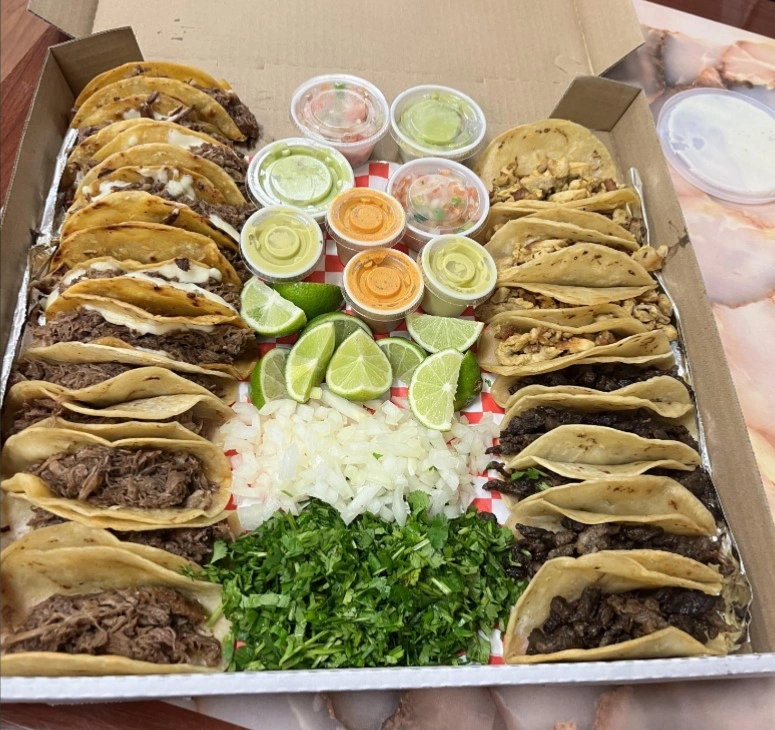
A taco box combines tacos or taco making ingredients with toppings, condiments, and optional sides. Contents depend on whether it is an individual meal, a family kit, a party package, or a catering order.
Tacos or Tortillas
Prepared tacos are the center of a ready to eat box. A build your own box instead packs tortillas with the fillings separate, so everyone assembles their own: soft flour tortillas, corn tortillas, hard taco shells, small street style tortillas, or larger tortillas for generous fillings.
Seasoned Protein
Common fillings are ground beef with taco spices, grilled or shredded chicken, steak, slow cooked pork, fish or shrimp, and black or pinto beans. Tofu and roasted vegetables cover vegetarian and vegan boxes. For a mixed group, offer two fillings.
Fresh Taco Toppings
Shredded lettuce, diced tomatoes, chopped onions, grated cheese, sour cream, avocado or guacamole, cilantro, and lime wedges add freshness and crunch, while jalapeños, pickled onions, and cabbage add heat and texture. Pack toppings in separate containers so each person can customize.
Salsa and Sauces
Most boxes include a mild or hot tomato salsa, green salsa, or a creamy chipotle sauce. Pack sauces in leak resistant containers with secure lids, away from the tortillas, so nothing turns soggy or spills.
Side Dishes
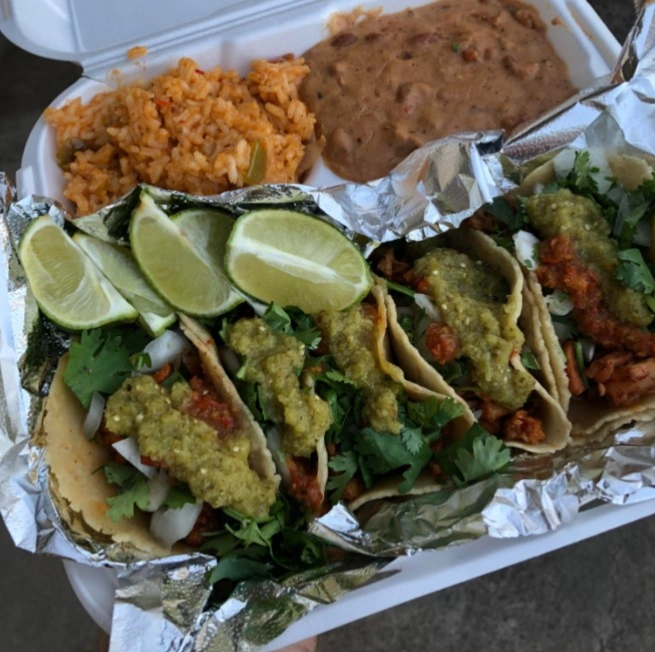
Larger boxes add side dishes such as Mexican style rice, refried or black beans, tortilla chips and salsa, guacamole, corn salad, grilled vegetables, Mexican street corn, or a small salad. Two sides are usually enough to complete the meal.
Different Types of Taco Boxes
The phrase taco box describes several products. Identify the format first, whether you are choosing a meal, ordering catering, or buying packaging.
Individual Taco Meal Box
For one person: two or three tacos, a chosen protein, a small side, and salsa. It suits lunches, takeout, and casual dinners. Check whether sides, drinks, or extra sauces cost more.
Family Taco Box
A family taco box serves the whole table from one order, combining tacos, fillings, tortillas, toppings, and sides for the table, either ready to eat or packed separately for assembling at home. A typical homemade version has 8 to 12 small tortillas, seasoned beef, chicken, or beans, cheese, lettuce, tomatoes, onions, salsa, sour cream, and rice, beans, or chips, and most of it can be prepared in advance.
Taco Party Box
For birthdays, game nights, and gatherings, as prepared tacos or build your own ingredients. Variety beats quantity: beef, chicken, and a vegetarian filling, with mild and spicy sauces. Prepared tacos suit quick service, while a build your own station suits guests arriving at different times.
Taco Catering Box
For larger groups, business meetings, and events: individually wrapped tacos, grouped portions, or a self serve taco bar. Confirm minimum quantities, serving counts, fillings, delivery, utensils, advance notice, and dietary requirements before ordering.
Taco Combo Box
Tacos bundled with extras such as rice, beans, chips, a dessert, or a drink in one meal deal. Compare taco counts and side sizes rather than the headline price, and watch for premium filling charges.
Taco Ingredient or Tortilla Box
Not every taco box is a finished meal. A tortilla box is a packaged quantity of tortillas, and a meal kit pairs tortillas with measured ingredients and instructions, giving you control over fillings, seasoning, and portions.
Custom Taco Packaging Box
For restaurants, food trucks, and caterers, taco box can mean the physical container: a holder, fold over box, or compartment box, sometimes printed with the business logo. It should support the shell, fit the filling, handle grease, and stay easy to store and assemble.
Taco Box Types Compared
| Type | Intended Use | Typical Contents |
|---|---|---|
| Individual taco box | One-person meal | Prepared tacos, sauce, optional side |
| Family taco box | Household dinner | Multiple tacos or ingredients, toppings, sides |
| Taco party box | Social gatherings | Multiple tacos or ingredients for group service |
| Catering taco box | Organized events | Bulk taco portions, sauces, serving supplies |
| Taco combo box | Individual meal deal | Tacos with selected sides or extras |
| Tortilla or meal kit box | Home preparation | Tortillas and, sometimes, separate ingredients |
| Custom packaging box | Food businesses | Empty containers designed for taco service |
How Many People Does a Taco Box Feed?
Servings depend on box size, taco size, filling quantity, and what else is served. For small or medium tacos, plan with these estimates:
| Group Size | Suggested Planning Quantity | Best Format |
|---|---|---|
| 1 person | 2 to 3 tacos | Individual meal box |
| 2 people | 4 to 6 tacos | Small shared box |
| 3 to 4 people | 8 to 12 tacos | Family taco box |
| 5 to 6 people | 12 to 18 tacos | Large family box or small catering order |
| 8 to 10 people | 20 to 30 tacos | Party box or taco bar |
| 12 to 15 people | 30 to 45 tacos | Catering order |
Use the formula: total tacos needed = number of guests × tacos per guest, so ten guests at three tacos each need about thirty tacos. Adjust for children, larger appetites, vegetarian servings, and side dishes, and add a small buffer for a buffet.
What Makes a Good Taco Box?
A good taco box balances flavour, portion size, variety, convenience, and presentation. Judge it by how the meal will be eaten and transported, not just by the taco count.
Balanced portions: enough filling and toppings for the tortillas included.
Fresh ingredients: vegetables, salsa, and herbs carry the flavour and texture, especially in a build your own box.
Separate sauces and toppings: wet ingredients kept apart protect the texture of tortillas and shells until serving.
Appropriate packaging: support for hard shells against breakage, and room for loaded soft tacos so filling is not squeezed out.
Convenient serving: separated ingredients, secure lids, and serving utensils make the box easy to manage.
How to Make a Homemade Taco Box
A homemade taco box uses everyday ingredients and adjusts to your flavour, budget, and serving size, for family dinners, meal prep, or small gatherings.
Ingredients
For approximately four people:
- 8 to 12 small tortillas or taco shells
- 1 pound of ground beef or chicken, or a plant based alternative
- 1 tablespoon of cooking oil, as needed
- 2 tablespoons of taco seasoning, adjusted to taste
- Water, according to the seasoning recipe or package instructions
- 1 cup shredded lettuce
- 1 cup diced tomatoes
- 1 cup shredded cheese
- 1/2 cup chopped onion
- 1/2 cup sour cream, or a suitable alternative
- Salsa, to taste
- Lime wedges and chopped cilantro, if desired
- Optional sides: cooked Mexican style rice, seasoned black beans or refried beans, tortilla chips, guacamole
Step 1: Prepare the Taco Filling
Brown the protein in a skillet, breaking ground meat into small pieces. Stir in the taco seasoning and water and simmer until evenly coated, then drain excess liquid so the tortillas stay crisp. Seasoned beans, tofu, or vegetables work the same way.
Step 2: Prepare the Toppings
Shred the lettuce, dice the tomatoes and onions, and grate the cheese, each in its own container. Put the salsa, sour cream, and sauces in containers that close securely if the box will travel.
Step 3: Warm the Tortillas
Warm the tortillas until flexible and keep them covered so they stay soft. Heat hard shells as directed and handle them gently to avoid breakage.
Step 4: Prepare the Side Dishes
Cook the rice, beans, or other sides to match the box size. One small side is enough for a lunch box, while rice and beans make a family box more substantial.
Step 5: Arrange the Box
Place the tacos or tortillas in the main section and the toppings, sauces, and sides in separate compartments or leak resistant containers. The lid should close without pressing on the tacos, and sauces should not be able to spill in transport.
Step 6: Serve or Store Properly
Serve promptly for the best texture and flavour. Refrigerate perishable fillings and toppings when they are not being served, and follow normal storage and reheating guidance.
Best Taco Box Menu Ideas
Build the box around a flavour theme instead of repeating the same ingredients every time.
Classic Beef Taco Box
Seasoned ground beef with tortillas or shells, lettuce, tomatoes, cheese, and salsa. Add rice, beans, and tortilla chips for a more substantial meal, with hot sauce packed separately.
Chicken Taco Box
Grilled, shredded, or pan cooked chicken with taco seasoning, lettuce, tomatoes, cheese, lime, salsa, and a creamy sauce. Cabbage, cilantro, and diced onions add freshness.
Vegetarian Taco Box
Seasoned black beans, pinto beans, roasted peppers, onions, corn, and avocado. Add cheese and sour cream, or plant based alternatives for a vegan version.
Spicy Taco Box
Spicy seasoned beef or chicken with jalapeños, hot salsa, and a smoky sauce. Keep the hot ingredients separate when the group has mixed heat preferences.
Fish Taco Box
Cooked fish with tortillas, cabbage slaw, lime, and a complementary sauce. Pack the slaw and sauce separately so the tortillas stay crisp and the fish coating does not soften.
Loaded Taco Dinner Box
Tacos with several sides, such as rice, beans, chips, salsa, and guacamole, in containers sized so nothing is crushed or leaks. Best for family meals and informal gatherings.
Build Your Own Taco Box
Two proteins, one vegetarian filling, warm tortillas, cheese, lettuce, tomatoes, salsa, and a few sides, with the containers labelled. Guests build their own combinations, which makes this the easiest format for gatherings.
Taco Box for Parties and Catering
A taco box simplifies party planning because ingredients can be prepared in advance and portioned predictably. A shared family box suits a small gathering, individual catering boxes suit portable meals or guests eating at different times, a taco bar suits guests who like to customize, and catering packages suit large quantities, coordinated delivery, and serving equipment. Before ordering, check the servings, protein and vegetarian choices, included toppings, sauces, and sides, pickup or delivery arrangements, minimums and advance notice, utensils and warming equipment, and the final price including delivery, taxes, and extras.
Custom Taco Boxes for Takeaway and Food Businesses
For a restaurant, food truck, or catering company, the packaging matters as much as the meal. Good packaging organizes the food, supports the shell, makes orders easier to transport, and can carry the business logo, colours, and product information. Confirm the packaging suits direct food contact and the conditions it will face, since a recyclable label alone does not guarantee that a coated or food soiled box is accepted by every recycling programme.
| Material | Potential Advantages | Considerations |
|---|---|---|
| Kraft paperboard | Natural appearance and useful print surface | Requires a suitable design for greasy or moist food |
| White paperboard | Clean appearance and sharp branding | Coatings and construction should suit the intended food |
| Corrugated board | Additional structure for certain formats | May be unnecessary for small, lightweight orders |
| Grease resistant paperboard | Helps manage normal grease exposure | Performance depends on the coating and food conditions |
| Recyclable paper based stock | May support recycling where accepted | Actual recyclability depends on materials and local facilities |
The features that matter most are structural support so tacos stay upright, suitable sizing, grease management, ventilation for hot food where crispness matters, a secure closure, easy assembly for staff, and clear branding and labels. To choose, measure your tacos, decide how many tacos and compartments the box must hold, test the packaging with real menu items, then compare minimum order quantities, samples, printing options, unit cost, delivery time, and food contact documentation. Order a sample before committing to a large quantity.
How Much Does a Taco Box Cost?
A ready to eat box is priced by its menu items, portion sizes, ingredients, and location. A family meal includes more food than an individual combo, while catering is often priced per person or in set quantities. Custom packaging is priced by material, dimensions, construction, print coverage, finishing, order quantity, and delivery. Compare like with like: cost per serving for prepared meals, cost per unit for empty packaging, and equivalent specifications for both.
Are Taco Boxes Good for Meal Prep?
Yes, when the ingredients stay organized and correctly stored. Batch cook seasoned chicken or beans, portion the rice, wash the vegetables, and keep sauces in individual containers, with tortillas stored away from wet fillings to protect their texture. Vary the topping combinations through the week, refrigerate perishable ingredients promptly, and never leave an assembled box at room temperature for an extended period.
Common Taco Box Mistakes to Avoid
Choosing the wrong portion size: a box can look large yet hold fewer tacos than expected. Check the stated serving quantity and tortilla size before ordering.
Adding too much liquid: watery fillings, vegetables, or salsa make tortillas soggy. Drain excess liquid and keep sauces separate until serving.
Ignoring dietary preferences: one filling for a whole group is hard to manage. Add a vegetarian option, separate sauces, and clear labels.
Using packaging that does not fit: too small compresses the tacos, too large lets them slide in transport. Measure the food and test the container.
Comparing prices without comparing contents: similar prices can hide different taco counts, toppings, and sides. Compare portions and included items before deciding on value.
Ordering catering without confirming requirements: minimums, delivery, and advance notice vary. Confirm them before placing the order.
Taco Box Selection Flowchart
The following flowchart helps us select the right taco box based on the intended use.
How to Choose a Taco Box
Choose the option that matches your needs:
Frequently Asked Questions About Taco Boxes
What is a taco box?
A taco box is a meal package, ingredient kit, group serving, or food container associated with tacos. It can contain prepared tacos, tortillas, seasoned fillings, toppings, sauces, and side dishes, or it can refer to the packaging used to carry tacos.
What comes in a taco box?
Tacos or tortillas, seasoned protein, lettuce, tomatoes, cheese, salsa, and optional sides such as rice, beans, or tortilla chips. Contents depend on the restaurant, box size, and intended use.
How many tacos come in a taco box?
There is no standard number. An individual meal usually includes two or three tacos, while family and catering boxes contain many more. Check the product description or menu for the exact quantity.
How many people can a family taco box feed?
Approximately three to five people, depending on the number and size of the tacos and the available sides. Confirm the stated serving count and adjust for appetites.
What is the difference between a taco box and a taco party pack?
A taco box can be an individual meal, family meal, ingredient kit, or packaging container. A taco party pack is intended for group dining and usually includes multiple tacos, shared ingredients, and sides.
Can we make a taco box at home?
Yes. Prepare seasoned beef, chicken, beans, or vegetables and pack them with tortillas, fresh toppings, salsa, and selected sides. Keep wet ingredients separate until serving to preserve the texture of the tortillas.
What packaging is best for taco boxes?
It depends on the taco style, filling quantity, grease level, serving temperature, and delivery conditions. Choose food contact safe materials, an appropriate size, secure closures, and enough structural support.
Are taco boxes suitable for catering?
Yes. Taco boxes organize portions and simplify pickup, delivery, and serving. For larger events, confirm the guest count, menu options, dietary requirements, order minimums, and delivery arrangements first.
How do we keep tacos from becoming soggy in a box?
Drain excess liquid from fillings, keep salsa and wet toppings separate, assemble close to serving time, and choose packaging that manages moisture.
Is a taco box the same as a taco kit?
Not always. A taco kit provides ingredients for assembling tacos, while a ready to eat taco box may contain prepared tacos and sides. Some boxes function as both, so check the description.
What should we check before ordering a taco box?
The number of tacos, filling options, included toppings and sides, portion size, total price, and dietary requirements. For delivery and catering, also confirm the arrangements and order requirements.
Are custom taco boxes available for restaurants?
Yes. Suppliers offer different sizes, materials, structures, and printing options. Choose based on the specifications, food contact suitability, sample quality, minimum order quantity, and overall cost.
Final Thoughts on Choosing the Right Taco Box
A taco box is a practical way to organize tacos for individual meals, family dinners, parties, catering, and takeaway service. The best choice depends on whether you need prepared food, ingredients to assemble, a group meal, or packaging for a food business. Check serving sizes, variety, sides, and total cost before you buy, and keep wet ingredients separate until serving so every taco tastes fresh.