What Is a Street Taco? Ingredients, Toppings, and Key Differences
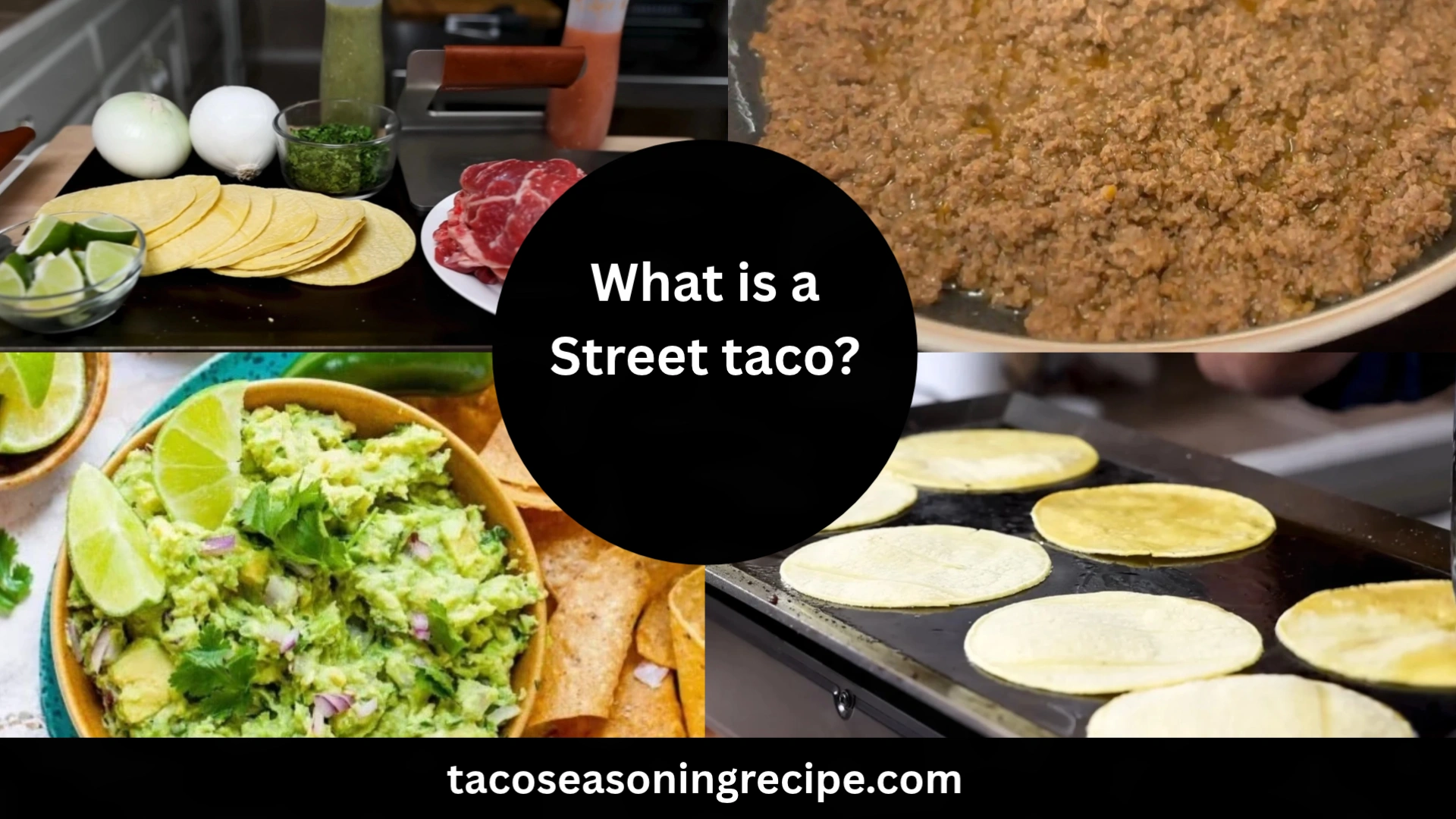
What Is a Street Taco?
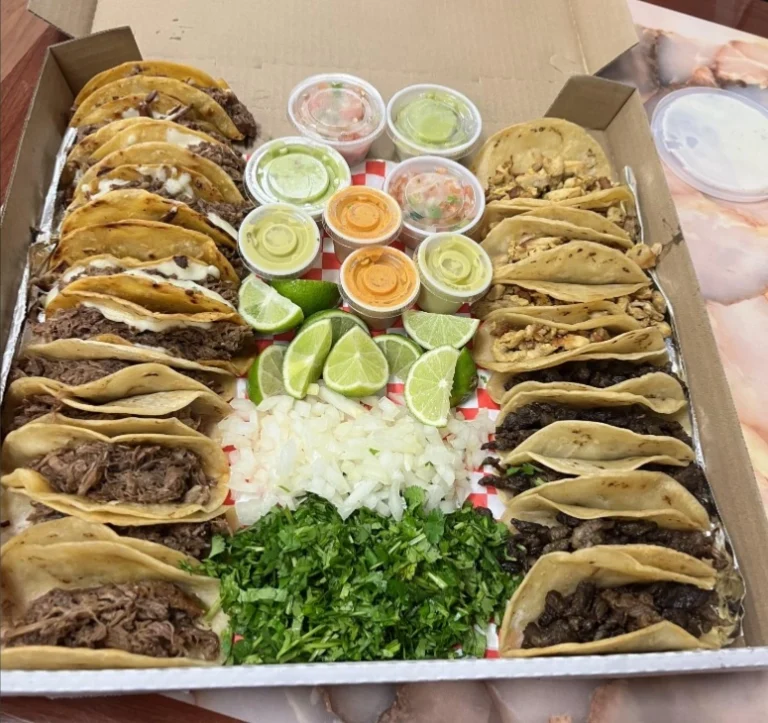
A street taco is a small taco typically served on a soft corn tortilla with seasoned meat or another filling and simple toppings such as chopped onion, cilantro, salsa, and lime. Compared with many American-style tacos, street tacos are usually smaller and use fewer toppings.
Street tacos are associated with Mexican street food and taquerias, where tacos are prepared for quick, satisfying meals. Their small size makes them easy to hold and eat in a few bites, and they are often ordered two or three at a time.
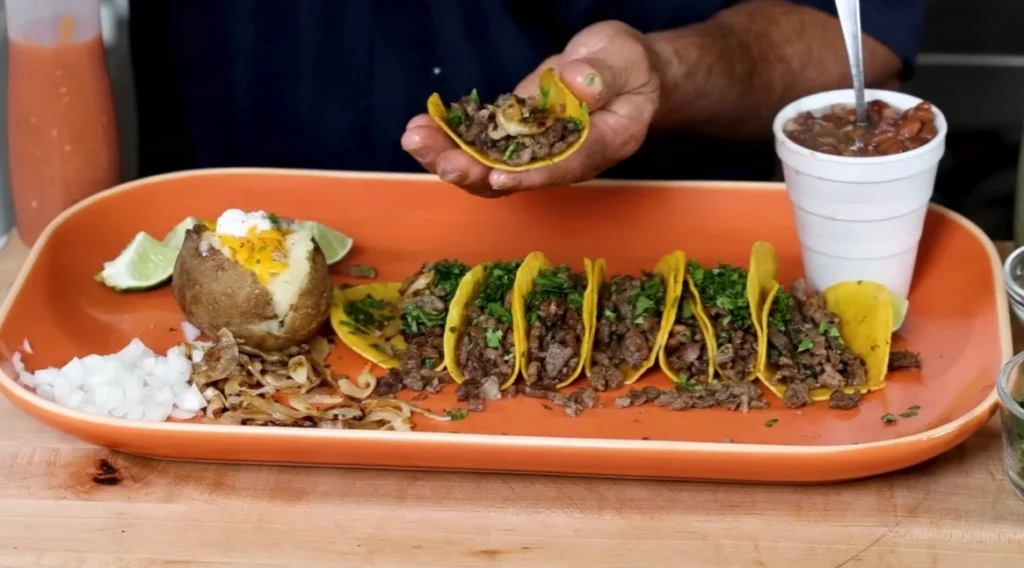
The exact ingredients vary by region, vendor, and taco style. Some feature grilled beef, others use slow-cooked pork or chicken, and seafood and vegetable versions are also popular. The defining idea is a compact taco with a flavorful filling and complementary toppings, not one rigid recipe.
What Makes a Street Taco Different?
Street tacos stand out because of their size, tortilla, filling, and straightforward toppings. They are often inspired by the kinds of tacos sold at Mexican street stands and neighborhood taquerias.
Here are the main characteristics:
- Small tortilla: Usually a soft corn tortilla, often around 4–6 inches across, depending on the tortilla and vendor.
- Flavorful filling: Common choices include grilled steak, marinated pork, slow-cooked pork, chicken, and other regional fillings.
- Fresh toppings: Diced onion, cilantro, salsa, and lime are common.
- Simple presentation: The filling and its seasoning take center stage rather than being covered by numerous toppings.
- Handheld size: Their smaller portions make them convenient for a snack or a meal consisting of several tacos.
These are common characteristics, not absolute requirements. Street tacos vary considerably, and restaurants may adapt their versions to suit local ingredients and customer preferences.
Street Tacos vs. Regular Tacos: What’s the Difference?
The biggest difference is usually the style of preparation. In the United States, the phrase “regular taco” often refers to a larger American-style or Tex-Mex taco, while “street taco” usually describes a smaller, simpler, taqueria-style taco.
| Feature | Street Taco | Typical American-Style Taco |
|---|---|---|
| Tortilla | Small, soft corn tortilla is common | Larger flour tortilla or crunchy corn shell may be used |
| Size | Small, usually a few bites | Often larger |
| Filling | Grilled, marinated, or slow-cooked meat; other fillings are possible | Ground beef, seasoned meat, beans, or other fillings |
| Toppings | Onion, cilantro, salsa, and lime are common | Lettuce, shredded cheese, tomato, and sour cream are common |
| Flavor focus | Filling, tortilla, salsa, and fresh garnishes | Often a broader combination of fillings, toppings, and sauces |
| Serving style | Commonly ordered in pairs or groups | May be served individually or as a larger meal |
Neither style is automatically better. They reflect different approaches to building a taco, and the categories overlap. This table describes common patterns rather than rules that apply to every restaurant.
What Tortilla Is Used for a Street Taco?
A small, soft corn tortilla is the most typical choice for a street taco.
Corn tortillas complement the filling without overwhelming it. They are made from corn masa and have a distinctive corn flavor that works particularly well with grilled meat, slow-cooked pork, fresh salsa, and lime.
Street-size tortillas are commonly around 4–6 inches across, although dimensions vary. A larger tortilla can hold more food, but a smaller one creates the compact proportions associated with street tacos.
The tortilla is generally warmed on a griddle, comal, or skillet before serving. Warming makes it more flexible and brings out its aroma. A properly warmed tortilla is less likely to crack when folded around the filling.
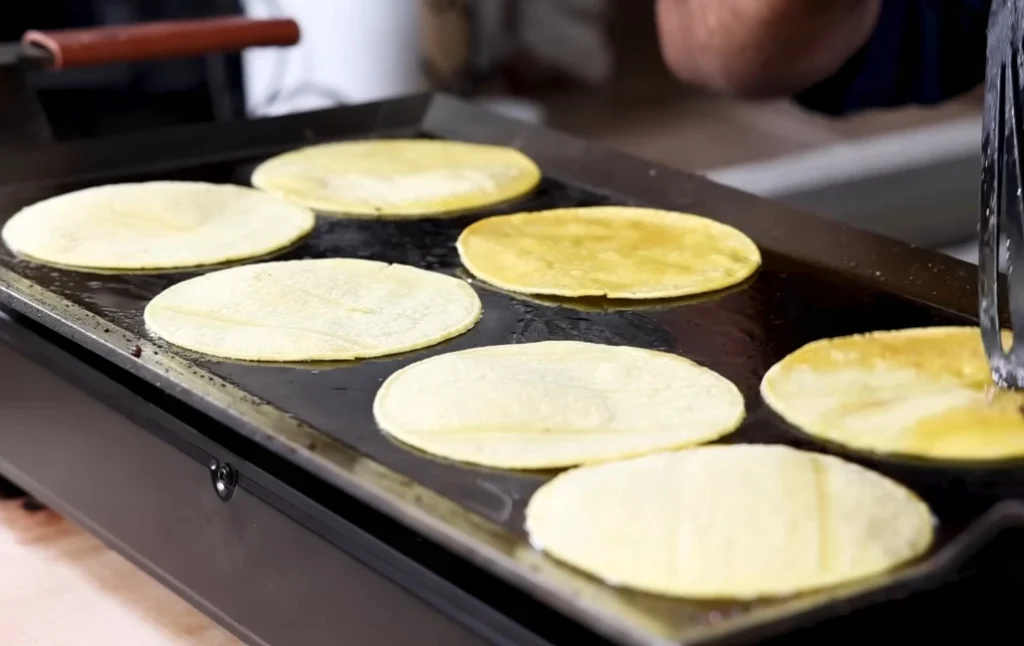
Some vendors serve a taco with two tortillas stacked together. This is particularly useful when the filling is juicy or generously portioned because the extra layer helps prevent tearing and catches drips.
Can you use flour tortillas? Yes. Corn is the traditional and most recognizable choice for this style, but flour tortillas are used in some taco traditions and restaurant adaptations. The tortilla alone does not determine whether a taco is good.
What Goes in a Street Taco?
A classic street taco can be surprisingly simple. Each ingredient has a purpose, and the combination creates a balance of savory, fresh, acidic, and sometimes spicy flavors.
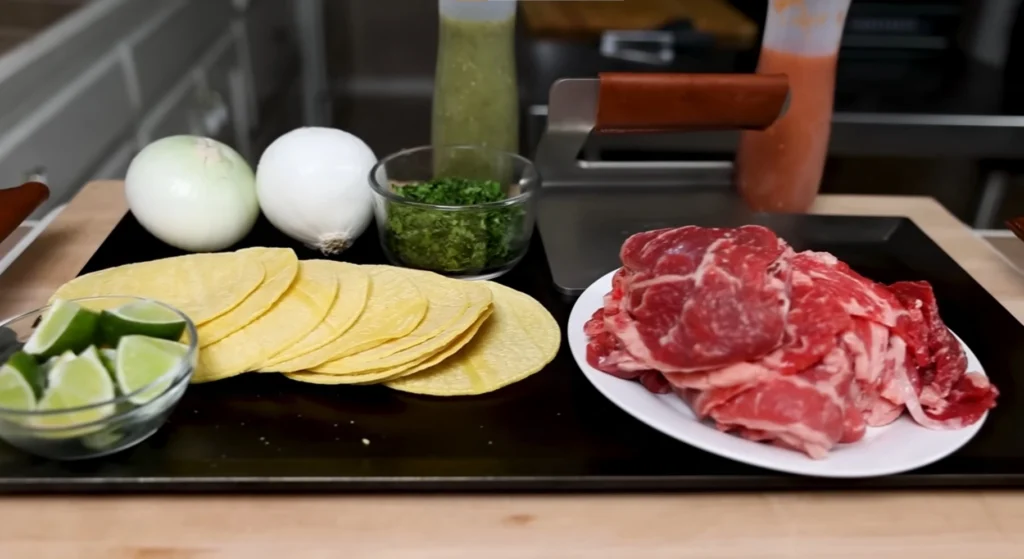
1. The Tortilla
The tortilla holds the filling and contributes its own flavor. Small corn tortillas are common because they work well with the compact portions and bold fillings associated with street-style tacos.
2. The Meat or Main Filling
The filling provides most of the taco’s savory flavor. Depending on the style, it might be grilled over high heat, marinated before cooking, or simmered until tender.
Popular options include carne asada, al pastor, carnitas, and chicken. Street tacos can also contain fish, shrimp, beans, mushrooms, and other ingredients.
3. Fresh Onion and Cilantro
Finely diced white onion adds crunch and a sharp, fresh flavor. Chopped cilantro contributes a distinctive herbal note that balances rich meat and spicy salsa.
These two toppings are especially familiar in classic taqueria-style tacos, although they are not mandatory for every variety.
4. Salsa
Salsa brings heat, acidity, and extra depth. Depending on the recipe, it may be made with tomatillos, tomatoes, fresh chiles, dried chiles, garlic, or other ingredients.
Green salsa, red salsa, and avocado-based salsa are common options. The best choice depends on the filling and how spicy you want the taco to be.
5. Fresh Lime
A squeeze of lime adds acidity and brightens the other ingredients. It is particularly useful with rich or fatty fillings because it makes the overall bite taste fresher.
Additional toppings, including sliced radishes, pickled jalapeños, cucumber, or grilled onions, may be served alongside the tacos. The options depend on the vendor and regional tradition.
What Is Street Taco Meat?
Street taco meat is usually seasoned and cooked to develop plenty of flavor before being chopped or sliced into small, manageable pieces. The meat is typically the centerpiece, so it does not need a long list of toppings.
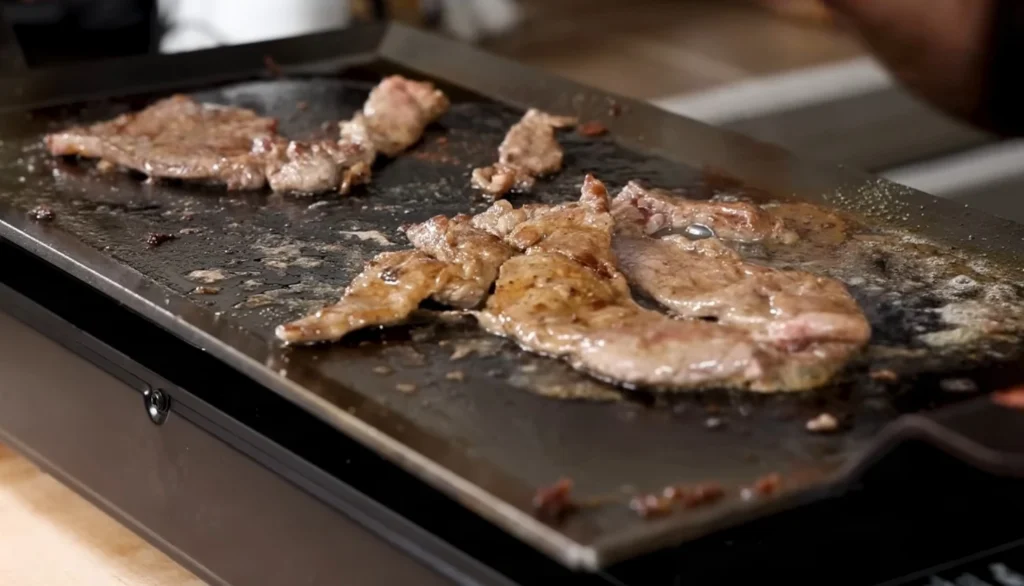
Here are some popular street taco fillings:
Carne Asada
Carne asada is grilled beef with a savory, smoky flavor. It is often seasoned or marinated with citrus, garlic, and spices, then chopped into bite-size pieces.
Al Pastor
Al pastor is marinated pork traditionally cooked on a vertical spit. It is known for its rich seasoning and is often served with onion, cilantro, salsa, and sometimes pineapple.
Carnitas
Carnitas consists of pork slowly cooked until tender and sometimes finished with a crisp exterior. Its rich texture pairs well with fresh onion, salsa, and lime.
Pollo Asado
Pollo asado is grilled, seasoned chicken with a lightly charred exterior. It is a popular option for people who prefer chicken to beef or pork.
Vegetarian Fillings
Mushrooms, beans, nopales (cactus paddles), and other vegetables can make flavorful tacos. These options reflect the variety of ingredients used in Mexican cooking.
Other popular fillings include barbacoa, chorizo, fish, and shrimp. The cooking method and seasoning matter as much as the type of meat.
Why Do Street Tacos Have Two Tortillas?
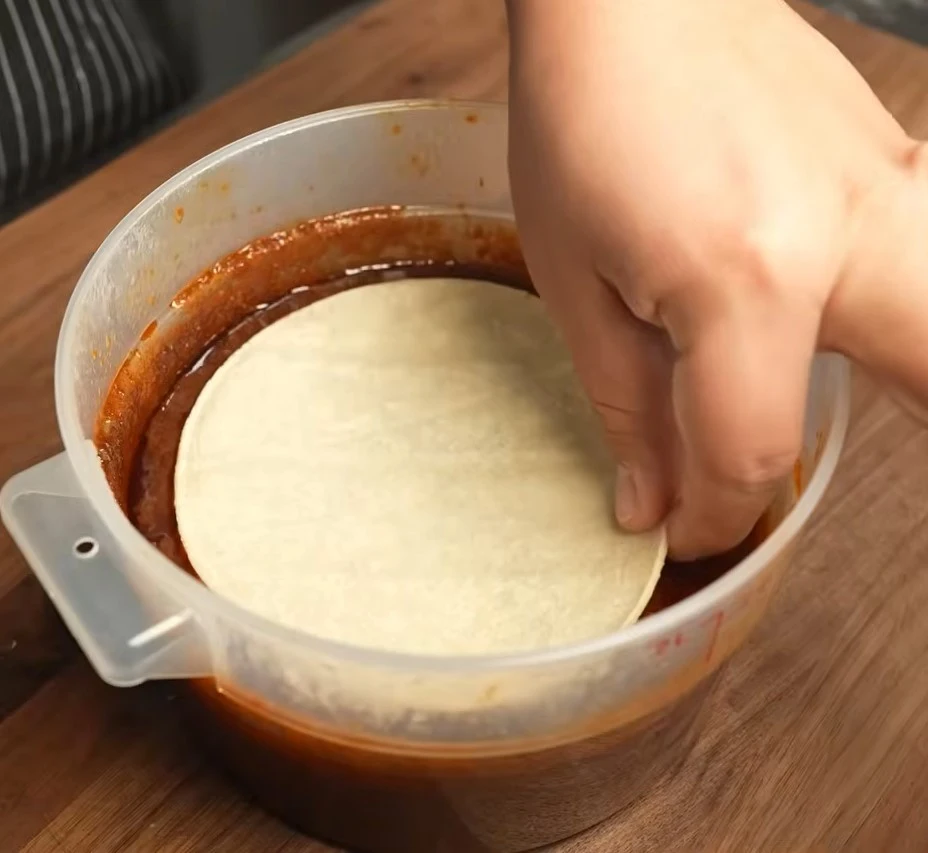
Some street tacos are served with two tortillas stacked together instead of just one. The extra layer helps support juicy or heavily filled tacos and reduces the chance of the tortilla tearing while you eat.
The second tortilla also catches meat juices, salsa, and other ingredients that might otherwise fall through.
However, two tortillas are not a requirement for a street taco. Some vendors use a single tortilla, particularly when the filling is less juicy or the tortilla is sturdy enough to hold everything.
At home, start with one warmed tortilla and add another underneath when the filling is particularly moist or the first tortilla feels too delicate.
Why Don’t Street Tacos Usually Have Cheese?
Many traditional taqueria-style street tacos are served without shredded cheese or sour cream because their usual toppings are simpler: onion, cilantro, salsa, and lime.
This approach lets the flavor of the meat, marinade, tortilla, and salsa stand out. It also keeps the small taco from becoming too heavy with toppings.
That does not mean cheese is forbidden or that a taco becomes inauthentic when cheese is added. Cheese appears in many Mexican dishes and taco variations. Some tacos are specifically built around melted cheese, while other styles use fresh cheese as a garnish.
The important distinction is that cheese is not typically a defining ingredient in the simple street-taco style described in many American restaurant menus.
What Is the Difference Between Mexican Street Tacos and American Street Tacos?
In the United States, “street taco” is commonly used on restaurant menus to describe a small taco inspired by Mexican taquerias. It usually has a soft tortilla, a modest amount of filling, and a few fresh toppings.
The term can be less precise than it sounds. Mexican taco traditions include a wide variety of regional styles, fillings, tortillas, and cooking techniques. There is no single recipe that represents every taco sold on the streets of Mexico.
For example, tacos al pastor feature marinated pork, while carnitas use slow-cooked pork. Other tacos may feature grilled steak, stewed meats, seafood, or vegetables. The toppings and preparation can change depending on the region and the individual vendor.
For readers in America, the easiest way to understand the term is this: a street taco is generally a small, taqueria-style taco, whereas an American-style taco often features a larger portion and toppings such as shredded lettuce, cheese, and sour cream.
Both can be delicious. They simply emphasize different combinations of ingredients.
Are Street Tacos Healthy?
Street tacos can fit into a balanced diet, but their nutritional value depends on the ingredients, cooking method, portion size, and toppings.
A taco made with a corn tortilla, grilled chicken or lean beef, fresh onion, cilantro, and salsa can provide protein and other nutrients without requiring heavy sauces. Beans and vegetable fillings can also contribute fiber and variety.
On the other hand, large portions of fatty meat, generous amounts of cheese or creamy sauces, and salty seasonings can increase the calories, saturated fat, or sodium in a meal. Several small tacos can also add up to a substantial portion.
To make street tacos at home with more control over the ingredients, you can:
- Choose grilled meat, fish, chicken, beans, or vegetables according to your preferences.
- Add fresh onion, cilantro, salsa, and lime for flavor.
- Adjust the amount of salt in the meat seasoning.
- Use cheese and creamy sauces in portions that suit your needs.
- Serve a reasonable number of tacos alongside vegetables or beans.
Homemade seasoning can also help you control how much salt goes into the filling. For a practical starting point, explore a homemade taco seasoning recipe or try a low-sodium taco seasoning mix.
There is no single nutritional profile for street tacos. Their healthfulness comes down to what goes into them and how much you eat.
How to Make Street Tacos at Home
You do not need a commercial griddle or a professional taqueria setup to prepare delicious street-style tacos. A skillet or grill, warmed tortillas, a flavorful filling, and a few fresh toppings are enough to get started.
1. Choose Your Filling
Select carne asada, chicken, pork, fish, or a vegetarian alternative. Cut meat into manageable pieces after cooking so it is easy to portion into small tortillas.
2. Season the Filling
Use a suitable marinade, spice blend, or combination of seasonings. For a quick weeknight version, a homemade taco seasoning blend provides a convenient way to season beef or chicken. Adjust the salt and heat to your taste.
3. Cook Until Flavorful and Properly Done
Grill or pan-cook the filling according to the ingredient and recipe. Aim for good browning where appropriate, while ensuring meat reaches a safe internal temperature.
4. Warm the Tortillas
Heat small corn tortillas on a dry skillet or comal, turning them as needed. Keep them covered in a clean towel so they remain warm and flexible.
5. Assemble With Simple Toppings
Add a modest portion of filling, followed by diced onion, cilantro, your preferred salsa, and lime juice. Use a second tortilla when extra support is helpful.
Serve immediately while the tortillas are warm and the filling is hot.
The goal is not to pile on ingredients. It is to balance the flavor of the filling with the freshness of the toppings and the taste of the tortilla.
A Brief History of Street Tacos
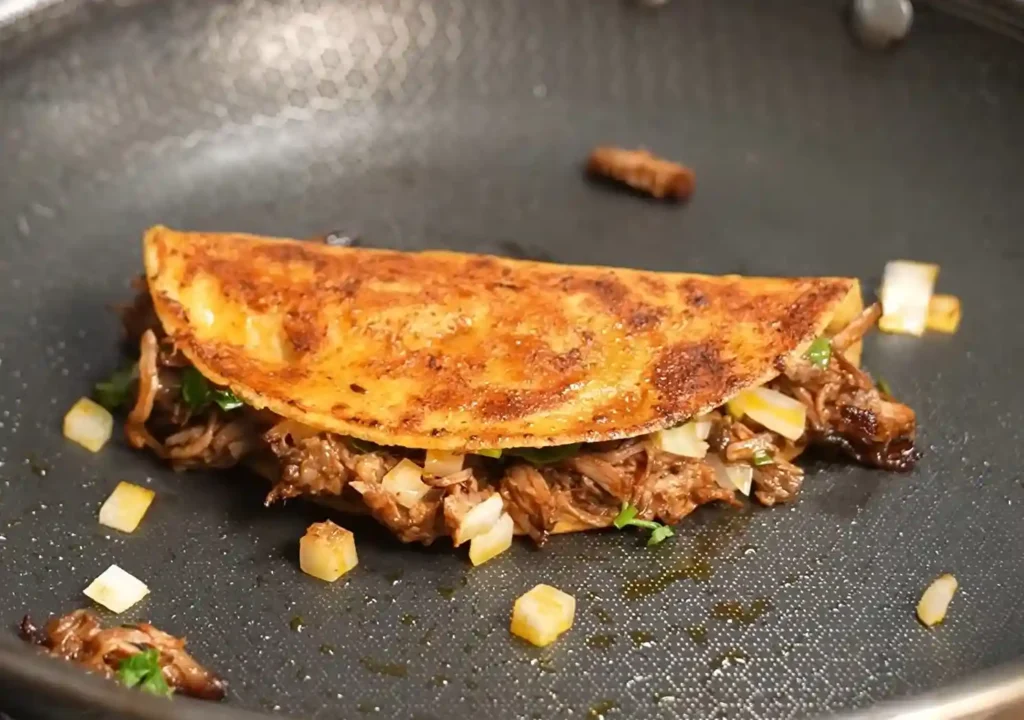
Tacos have deep roots in Mexican food culture, where tortillas serve as both an essential food and a practical way to hold other ingredients.
Mexico’s Secretaría de Agricultura y Desarrollo Rural describes tacos as a long-standing part of the country’s culinary heritage, with a wide range of regional preparations. The precise origins of the taco and the history of its name are not completely settled.
The historical record is more complicated than the idea that one standardized street taco was invented at a specific time. As tacos evolved, different communities and vendors developed their own combinations of tortillas, fillings, seasonings, and toppings.
Street vending helped make tacos convenient, accessible food for people seeking a quick meal. Today, street-style tacos are served by street vendors, food trucks, taquerias, and restaurants around the world.
The modern English-language term “street taco” generally communicates a small, simple taco inspired by this style of food. It does not describe every traditional Mexican taco or one universally fixed recipe.
Frequently Asked Questions About Street Tacos
What Is a Street Taco Used For?
A street taco is a convenient handheld food that can be eaten as a snack, a quick lunch, or part of a larger meal. Because the tacos are small, people often order several with different fillings.
What Is a Street Taco Called in Mexico?
A literal Spanish translation is taco callejero, but the wording used on menus varies. Many Mexican tacos are identified by their filling or preparation, such as tacos al pastor, tacos de carnitas, or tacos de carne asada, rather than by one universal street-taco label.
What Size Is a Street Taco?
Street tacos commonly use small tortillas around 4–6 inches across. The size is not standardized, so individual restaurants and tortilla brands may offer slightly different dimensions.
What Is a Street Taco Versus a Regular Taco?
A street taco is usually smaller, served on a soft corn tortilla, and topped simply with ingredients such as onion, cilantro, salsa, and lime. A typical American-style taco may be larger and include lettuce, cheese, tomato, sour cream, or a crunchy shell. The distinction is a general pattern rather than a strict rule.
What Meat Is Used in Street Tacos?
Popular choices include carne asada (grilled beef), al pastor (marinated pork), carnitas (slow-cooked pork), pollo asado (grilled chicken), and barbacoa. Fish, shrimp, beans, and vegetables are also common taco fillings.
Can Street Tacos Have Cheese?
Yes. Although simple taqueria-style street tacos often rely on onion, cilantro, salsa, and lime instead of cheese, some varieties and restaurant versions use cheese. There is no universal rule that street tacos must be cheese-free.
Are Street Tacos Always Made With Corn Tortillas?
No. Soft corn tortillas are the most recognizable choice for traditional street-style tacos, but flour tortillas are used in certain regional styles and restaurant adaptations. The tortilla depends on the type of taco being prepared.
Are Street Tacos Spicy?
Not necessarily. The filling may be mildly seasoned or spicy, depending on the marinade and recipe. Salsa often gives diners the option to adjust the heat. A street taco with grilled meat, onion, cilantro, and lime can be flavorful without being particularly hot.
Final Thoughts
A street taco is a small, flavorful taco that typically combines a soft corn tortilla, a well-seasoned filling, and a few fresh toppings. Its appeal comes from the balance of its ingredients rather than from an elaborate pile of extras.
Although the familiar combination of meat, onion, cilantro, salsa, and lime is a useful starting point, street tacos vary across vendors, regions, and individual recipes. Understanding those common characteristics makes it easier to recognize the style, order it at a restaurant, or recreate it in your own kitchen.