Best Mexican Rice Recipe (Easy, Fluffy Arroz Rojo)
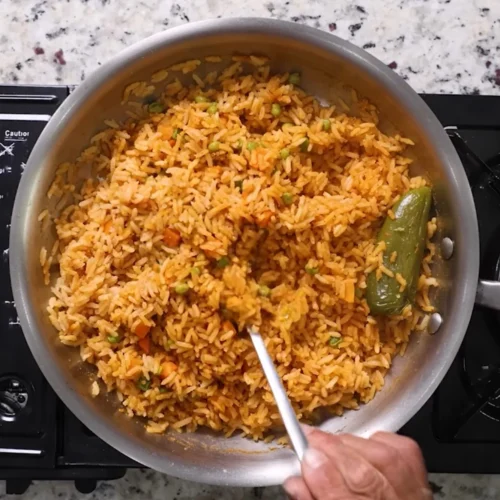
Mexican rice is a flavorful side dish made with rice, tomatoes, garlic, onion, broth, and everyday seasonings. Its reddish color, savory taste, and fluffy texture make it a popular addition to tacos, burritos, enchiladas, grilled chicken, and other Mexican-inspired meals.
This easy Mexican rice recipe uses long-grain white rice, tomato sauce, chicken broth, and a handful of pantry seasonings. The rice is toasted before simmering, which develops a lightly nutty flavor, while the covered cooking method allows the grains to absorb the seasoned liquid. After a short resting period, the rice is ready to be fluffed and served.
The preparation follows a straightforward stovetop method, making it suitable for both weeknight dinners and larger family meals. This simple Mexican rice recipe also includes practical substitutions, troubleshooting advice, and serving ideas so the dish can be adjusted to different preferences.
What Is Mexican Rice (Arroz Rojo)?
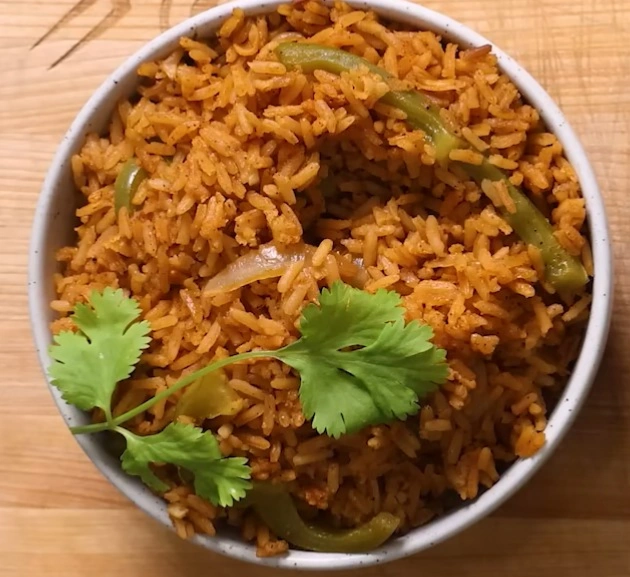
Mexican rice, also called arroz rojo or Mexican red rice, is a tomato-based rice dish commonly served as a side with traditional and modern Mexican meals. The name arroz rojo means red rice in Spanish, referring to the warm reddish color created by tomatoes or tomato sauce.
The basic preparation usually combines white rice, tomato, onion, garlic, cooking liquid, and seasonings. Some versions include chicken or tomato bouillon for a deeper savory flavor, while others add vegetables such as carrots, peas, corn, or green beans.
One characteristic of this dish is the preparation of the rice before liquid is added. The uncooked grains are toasted in oil until lightly golden, then simmered in a seasoned tomato mixture. This cooking technique develops flavor and helps create a texture in which the grains can separate easily.
The term authentic Mexican rice can describe different family and regional preparations rather than one fixed ingredient list. There is no single formula that represents every Mexican kitchen. This version is a practical home-style preparation inspired by the familiar tomato-based rice served with many Mexican meals.
Why This Homemade Mexican Rice Is Worth Making
A flavorful rice side dish does not require expensive ingredients or complicated cooking equipment. A few simple ingredients and the right preparation techniques provide a satisfying result.
- Everyday ingredients: Long-grain rice, tomato sauce, broth, onion, and garlic are easy to find at most grocery stores.
- Savory tomato flavor: Tomato sauce, cumin, and garlic create a balanced flavor without requiring a complicated sauce.
- Fluffy texture: Toasting the grains and controlling the cooking liquid help prevent a sticky result.
- Easy substitutions: Chicken broth can be replaced with vegetable broth, and fresh tomatoes can be used instead of prepared tomato sauce.
- Flexible serving options: The rice pairs with tacos, burritos, beans, grilled meat, and roasted vegetables.
- Simple preparation: Everything cooks in one saucepan, so cleanup is minimal.
Ingredients for Mexican Rice
The ingredients below make approximately four side-dish servings. Long-grain white rice is recommended because it generally cooks into separate grains when the liquid and heat are managed correctly.
| Ingredient | Amount | Purpose |
|---|---|---|
| Long-grain white rice | 1 cup | Main ingredient |
| Vegetable or canola oil | 1 tablespoon | Toasting the rice |
| White onion, finely chopped | ⅓ cup | Savory flavor |
| Garlic, minced | 2 cloves | Aromatic flavor |
| Plain tomato sauce | ½ cup | Tomato flavor and color |
| Low-sodium chicken broth | 1½ cups | Cooking liquid |
| Ground cumin | ½ teaspoon | Earthy seasoning |
| Dried oregano | ¼ teaspoon | Herbal flavor |
| Paprika | ¼ teaspoon | Color and mild flavor |
| Salt | ¼ teaspoon | Seasoning |
| Black pepper | ⅛ teaspoon | Mild peppery flavor |
Optional Ingredients
Additional ingredients can be included depending on the desired flavor and texture.
- ¼ cup finely diced carrots
- ¼ cup frozen green peas
- 1 small whole serrano pepper
- 1 tablespoon chopped fresh cilantro
- 1 teaspoon fresh lime juice
- ½ teaspoon tomato bouillon for a deeper tomato-savory flavor
When tomato bouillon is added, the salt should be reduced or omitted initially because bouillon products can contain considerable sodium.
Choosing the Right Rice
Long-grain white rice is a reliable option for this preparation. Its grains tend to remain separate when cooked with an appropriate amount of liquid.
Jasmine rice can also work, although its natural aroma and texture will make the final dish slightly different. Short-grain rice is less suitable because it generally produces a stickier result.
Brown rice should not be substituted using the same cooking time and liquid quantity. Its bran layer requires additional moisture and a longer cooking period.
Choosing Tomato Sauce or Fresh Tomatoes
Plain canned tomato sauce offers a convenient way to achieve a consistent tomato flavor. It is already smooth and does not require blending.
Fresh ripe tomatoes can also be used. They should be blended or grated into a smooth mixture. To keep the liquid amount consistent, the fresh tomato mixture should replace the measured tomato sauce rather than being added on top of it.
Tomato paste is much more concentrated, so it should not replace tomato sauce in the same quantity.
Best Mexican Rice Recipe

Equipment
- Medium heavy-bottomed saucepan with lid
- Fine-mesh strainer
- Measuring cups and spoons
- Fork
- Knife and cutting board
Ingredients
- 1 cup long-grain white rice
- 1 tablespoon vegetable or canola oil
- ⅓ cup finely chopped white onion
- 2 garlic cloves minced
- ½ cup plain tomato sauce
- 1½ cups low-sodium chicken broth
- ½ teaspoon ground cumin
- ¼ teaspoon dried oregano
- ¼ teaspoon paprika
- ¼ teaspoon salt or to taste
- ⅛ teaspoon black pepper
Optional Ingredients
- ¼ cup finely diced carrots
- ¼ cup frozen green peas
- 1 whole serrano pepper
- 1 tablespoon fresh cilantro
- 1 teaspoon fresh lime juice
Instructions
Rinse the Rice
- Place the rice in a fine-mesh strainer and rinse under cool water until the water becomes clearer. Drain thoroughly and pat dry before toasting.
Toast the Rice
- Heat the oil in a medium saucepan over medium heat. Add the rice and cook for 5–7 minutes, stirring frequently, until lightly golden.
Add Onion and Garlic
- Add the chopped onion and cook for approximately 2 minutes. Stir in the minced garlic and cook for another 30 seconds until fragrant.
Add Tomato Sauce and Seasonings
- Pour in the tomato sauce. Add cumin, oregano, paprika, salt, and black pepper. Stir until the rice is evenly coated.
Add Chicken Broth
- Pour in the chicken broth and stir gently. The tomato sauce and broth together provide 2 cups of total cooking liquid.
Simmer the Rice
- Bring the mixture to a gentle boil. Reduce the heat to low, cover the saucepan, and simmer for 18–20 minutes without lifting the lid.
Rest the Rice
- Remove the saucepan from the heat and leave it covered for 10 minutes.
Fluff and Serve
- Remove the lid and gently fluff the rice with a fork. Add optional cilantro and lime juice before serving.
Notes
- Use long-grain white rice for a fluffy texture.
- Drain the rice thoroughly before toasting.
- Keep the lid closed while simmering.
- Use low-sodium broth to control salt levels.
- Vegetable broth can replace chicken broth.
- Reduce additional salt if using tomato bouillon.
- Refrigerate leftovers promptly in shallow, airtight containers.
- Use refrigerated leftovers within 3–4 days.
How to Make Mexican Rice on the Stove
The stovetop method uses a medium, heavy-bottomed saucepan with a tight-fitting lid. A pan with a sturdy base helps distribute heat and reduces the risk of the rice burning before it becomes tender.
Prepare and Rinse the Rice
Place the rice in a fine-mesh strainer and rinse under cool running water until the water becomes clearer. This removes some surface starch that can contribute to clumping.
Allow the rice to drain thoroughly for approximately 10 minutes. Any excess surface water should be removed before the grains are added to hot oil.
Toast the Rice Until Lightly Golden
Heat the oil in the saucepan over medium heat. Add the drained rice and stir frequently for approximately 5–7 minutes.
The grains should gradually turn pale golden and develop a lightly toasted aroma. They should not become dark brown because excessive browning can create a bitter flavor.
Toasting is an important part of preparing Mexican-style red rice. It develops a deeper flavor and helps give the finished dish its characteristic texture.
Cook the Onion and Garlic
Add the finely chopped onion to the saucepan and cook for approximately 2 minutes, stirring regularly.
Add the minced garlic and cook for another 30 seconds. The onion should begin to soften, and the garlic should become fragrant without burning.
Add Tomato Sauce and Seasonings
Pour the tomato sauce into the saucepan and stir to coat the rice evenly.
Add the ground cumin, dried oregano, paprika, salt, and black pepper. Stir for approximately 1 minute so the seasonings combine with the tomato mixture.
The tomato sauce should coat the grains without forming a thick paste.
Add the Chicken Broth
Pour the chicken broth into the saucepan and stir gently to distribute the ingredients.
The combination of ½ cup tomato sauce and 1½ cups broth provides 2 cups of total cooking liquid for 1 cup of uncooked rice.
This measurement is important because the rice needs enough moisture to cook completely without becoming overly soft.
Simmer Until the Rice Is Tender
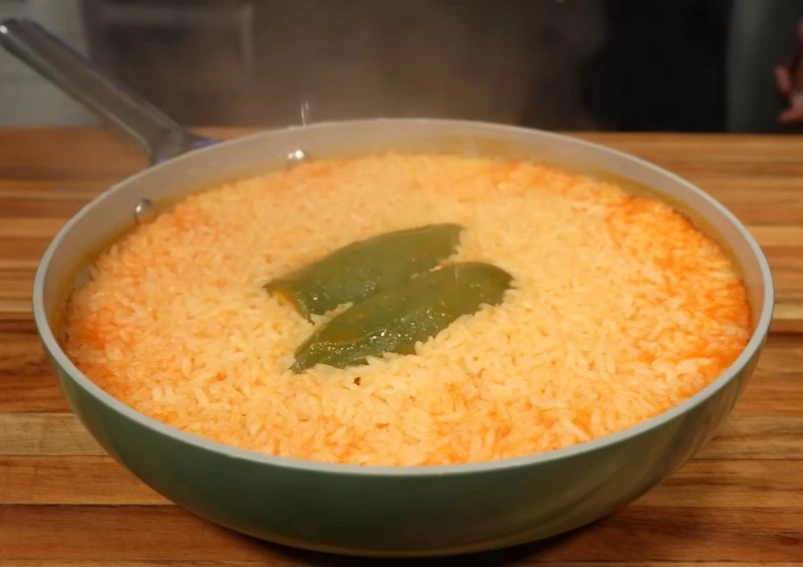
Bring the mixture to a gentle boil. Once it begins bubbling, immediately reduce the heat to low and cover the saucepan with a tight-fitting lid.
Allow the rice to simmer for approximately 18–20 minutes.
The lid should remain closed during this period. Opening the pan repeatedly releases steam and can interfere with even cooking.
The rice is ready when most of the liquid has been absorbed and the grains are tender.
Rest and Fluff the Rice
Remove the saucepan from the heat and leave it covered for another 10 minutes.
The resting period allows the remaining steam to finish the cooking process and helps the moisture settle throughout the grains.
Remove the lid and gently fluff the rice with a fork. Optional cilantro and lime juice can be added before serving.
The finished rice should be tender and moist without looking wet or forming a sticky mass.
How to Make Mexican Rice Without a Blender
A blender is not essential for preparing a flavorful tomato-based rice dish.
Plain canned tomato sauce can be used directly because it already has a smooth consistency. This makes preparation faster and reduces the number of utensils required.
For a fresh tomato version, ripe tomatoes can be grated using a box grater or finely mashed with a fork. The resulting mixture should be measured before being added so the total cooking liquid remains consistent.
Finely chopped fresh tomatoes can also be cooked with the onion and garlic until softened. This creates a slightly more textured tomato base.
The important point is to avoid adding unmeasured extra liquid. Fresh tomatoes contain water, and their moisture level can vary depending on their size and ripeness.
Tips for Making Fluffy Mexican Rice
Small adjustments during preparation can make a noticeable difference in the finished dish.
Use the right rice: Long-grain white rice is a good starting point for separate, tender grains.
Drain the rice properly: Excess water on the grains can slow down toasting and cause oil to splatter.
Do not rush the toasting stage: The grains should become lightly golden before the liquid is added.
Measure the cooking liquid: Too much broth or tomato sauce can make the rice soft and wet.
Use low heat: A gentle simmer allows the liquid to absorb gradually without burning the bottom layer.
Keep the lid closed: Steam plays an important role in cooking the grains evenly.
Rest before fluffing: Giving the rice 10 minutes off the heat helps improve the final texture.
Use a fork rather than a spoon: A fork separates the grains more gently and is less likely to crush them.
Common Mexican Rice Problems and How to Fix Them
Even a simple rice dish can become too dry, sticky, or unevenly cooked. Understanding the cause makes it easier to correct the problem.
Why Is the Rice Mushy?
Mushy rice is commonly associated with excessive liquid, insufficient draining, frequent stirring, or using a variety that naturally produces a stickier texture.
For a better result, the measured amount of broth and tomato sauce should remain consistent. Long-grain rice should be used, and the pan should remain covered without unnecessary stirring.
Overcooked rice cannot always be restored to a fluffy texture, so careful measurement and timing are more useful than trying to correct it afterward.
Why Is the Rice Still Hard or Crunchy?
Crunchy grains usually indicate that the rice needs more moisture or cooking time.
If the original liquid has been absorbed but the grains remain firm, add approximately 2 tablespoons of hot broth or water. Cover the saucepan and cook over low heat for another 3–5 minutes.
The rice should then be allowed to rest before being checked again.
Why Is the Rice Too Wet?
If the grains are already tender but a small amount of liquid remains, remove the lid and allow the rice to stand over very low heat briefly.
The liquid may evaporate, but care is needed to prevent the bottom from burning.
Why Does the Bottom of the Rice Burn?
A high burner setting, a thin saucepan, or insufficient liquid can cause the bottom to burn.
A heavy-bottomed saucepan and low heat help distribute warmth more evenly. Once the liquid reaches a boil, the burner should be reduced immediately.
If the bottom layer has burned, the unburned rice can be transferred to a serving dish without scraping the scorched portion into it.
Easy Variations of Mexican Rice
The basic method can be adapted for different flavors, dietary preferences, and ingredients already available in the kitchen.
Mexican Rice With Fresh Tomatoes
Fresh tomatoes provide a slightly different flavor from canned tomato sauce. Ripe tomatoes can be blended or grated and used in place of the measured tomato sauce.
A small amount of garlic and onion can be cooked with the tomato mixture before the broth is added.
The total liquid should remain close to the recipe’s original measurement to help maintain the intended texture.
Mexican Rice With Chicken Broth
Chicken broth adds a savory flavor that complements beef tacos, grilled chicken, and enchiladas.
Low-sodium broth is useful because it allows the cook to control how much additional salt is needed.
Vegetarian Mexican Rice
For a vegetarian version, chicken broth can simply be replaced with vegetable broth.
The remaining preparation stays the same. Black beans, roasted peppers, corn, and fresh avocado can also be served alongside the rice to create a more substantial meal.
Mexican Rice With Vegetables
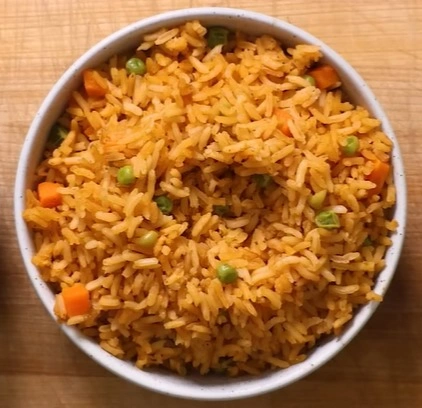
Carrots, peas, corn, and finely diced bell peppers can add color and texture.
Carrots should be added with the cooking liquid so they have enough time to soften. Frozen peas and corn can be stirred in toward the end of cooking or folded into the finished rice after resting.
Spicy Mexican Rice
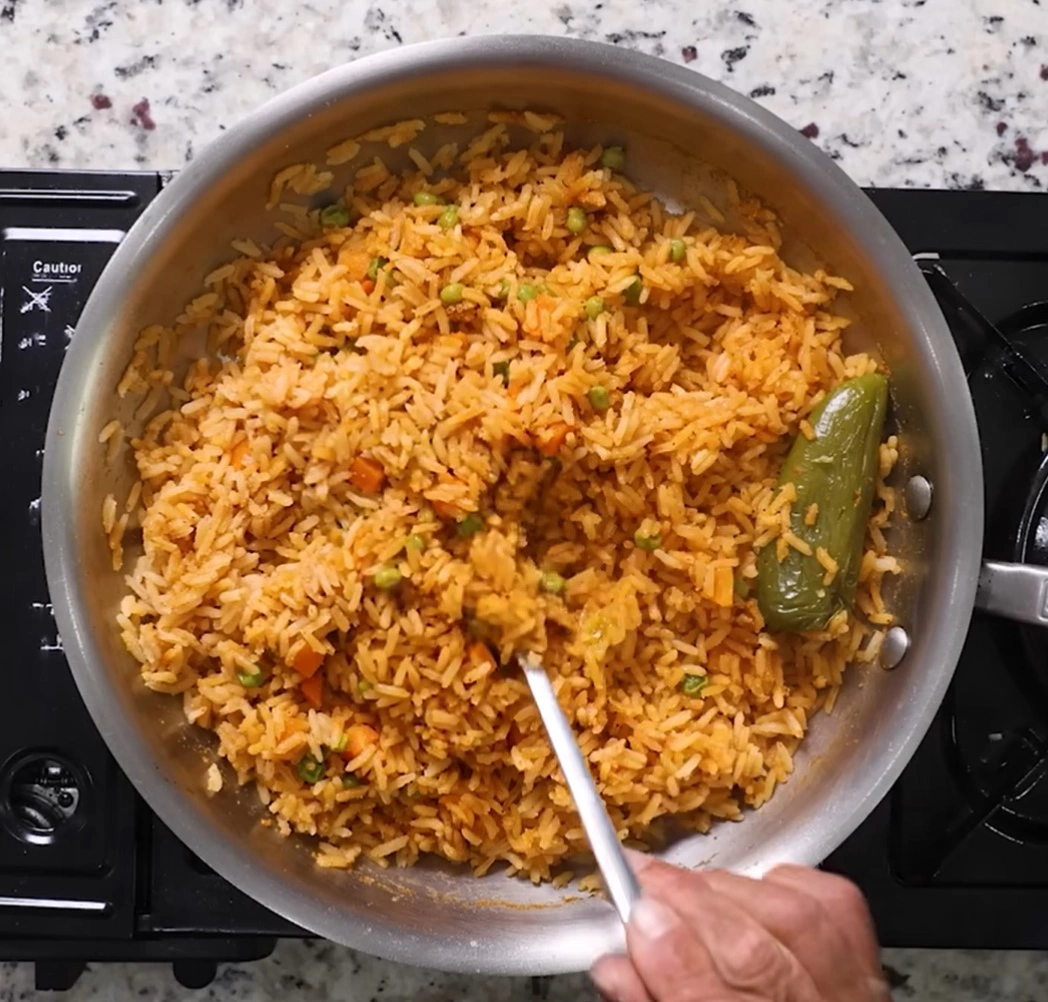
A whole serrano pepper can be placed on top of the rice before the saucepan is covered. It adds a mild pepper flavor during cooking.
For a hotter version, finely chopped jalapeño or a small amount of cayenne pepper can be added with the seasonings.
The quantity should be adjusted according to the preferred heat level.
Restaurant-Style Mexican Rice
For a deeper savory flavor, a small amount of tomato bouillon can be dissolved in the chicken broth before cooking.
This is an optional variation rather than a required ingredient. Since bouillon can be salty, the added salt should be adjusted after tasting the finished dish.
Can Mexican Rice Be Made in a Rice Cooker?
Yes, but a rice cooker uses a different heating and evaporation process from a covered saucepan.
The rice can be toasted separately in a skillet before being transferred to a rice cooker with the tomato mixture and measured liquid. However, the appliance’s instructions and its recommended liquid limits should be followed.
The stovetop measurements in this article should not automatically be transferred to every rice cooker. Different models and rice varieties may require adjustments.
A dedicated rice-cooker method is a better option when that appliance is the preferred cooking method.
Can Instant Rice Be Used?
Instant rice can be used when a quicker preparation is needed, but it should not be cooked for the same length of time or with the same liquid ratio as uncooked long-grain rice.
A tomato and seasoning mixture can be prepared separately. The instant rice is then added according to its package directions, using the recommended amount of liquid.
This produces a convenient variation, although the texture will differ from grains that have been toasted and simmered from their uncooked state.
How to Make Mexican Rice for Burritos
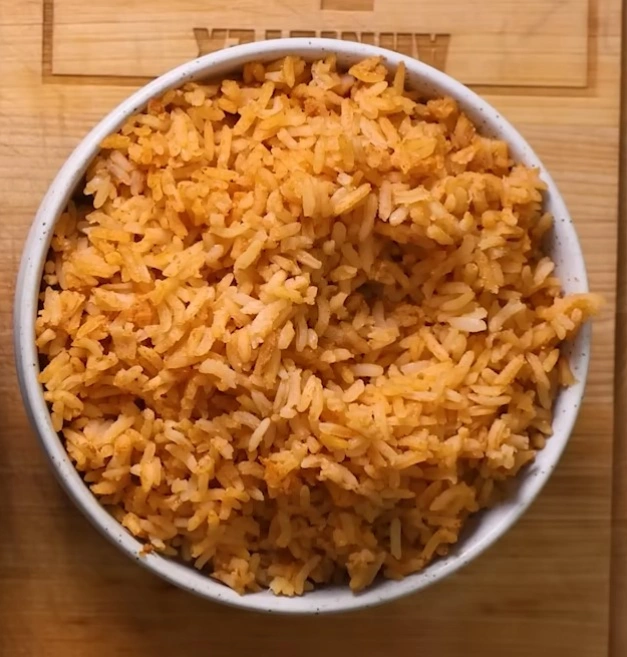
Mexican rice is a useful burrito filling because it adds substance and complements beans, meat, cheese, and vegetables.
The rice should be fully cooked and allowed to cool slightly before being placed inside a tortilla.
A balanced burrito filling can include:
- Tomato-seasoned rice
- Seasoned ground beef or shredded chicken
- Black beans or pinto beans
- Shredded cheese
- Fresh lettuce
- Salsa
- Diced avocado
The tortilla can be folded around the filling and lightly toasted in a skillet.
Rice that is too wet should be avoided because excess moisture can weaken the tortilla and make it difficult to fold.
What to Serve With Mexican Rice
This versatile side dish works well with many everyday meals. Its tomato and seasoning flavors complement both grilled foods and saucy dishes.
Some good serving options include:
- Ground beef tacos
- Chicken tacos
- Steak fajitas
- Beef enchiladas
- Shredded chicken burritos
- Grilled chicken
- Carne asada
- Black beans and refried beans
- Roasted vegetables
- Mexican-inspired rice bowls
For a complete taco-night meal, the rice can be served with seasoned beef, warm tortillas, fresh salsa, shredded lettuce, and cheese.
The meat can also be prepared using the site’s homemade taco seasoning recipe, which offers a convenient way to season ground beef, chicken, and vegetables.
How to Store and Reheat Leftover Mexican Rice
Cooked rice should be handled carefully because leaving it at room temperature for too long can create food-safety risks.
Refrigerating Leftover Rice
Transfer the cooked rice into shallow containers so it can cool more quickly. Refrigerate it within 2 hours of cooking, or within 1 hour when the surrounding temperature is above 90°F.
Keep the refrigerator at 40°F or below and use refrigerated leftovers within 3–4 days, following USDA guidance.
Freezing Mexican Rice
For longer storage, divide the cooled rice into individual portions and place them in airtight, freezer-safe containers or bags.
Remove excess air, label each portion with the preparation date, and freeze promptly.
For the best texture, frozen rice can be thawed in the refrigerator or reheated directly from frozen with a little added moisture.
Reheating Leftover Rice
A small amount of water or broth can help restore moisture during reheating.
For microwave preparation, place the rice in a microwave-safe container, add a little liquid, cover loosely, and heat. Stir during reheating to distribute the heat evenly.
For stovetop preparation, add the rice and a small splash of water or broth to a saucepan. Cover and warm over low heat until thoroughly hot.
Previously cooked leftovers should reach an internal temperature of 165°F before serving.
Frequently Asked Questions
What Makes Mexican Rice Different From Plain White Rice?
Plain white rice is generally cooked in water or broth with minimal seasoning. Mexican rice is toasted in oil and cooked with tomato sauce, onion, garlic, and seasonings, which give it a deeper flavor and reddish color.
Is Mexican Rice the Same as Spanish Rice?
The names are sometimes used interchangeably in American cooking. However, Mexican red rice is commonly associated with tomato-based arroz rojo, while Spanish rice can refer to different preparations depending on the region and recipe.
What Is the Best Tomato Sauce for Mexican Rice?
Plain canned tomato sauce is a convenient choice because it has a smooth consistency and consistent flavor. Fresh tomato puree is another option. Chunky salsa is not a direct replacement because its water content and seasoning can vary considerably.
Can Mexican Rice Be Made Without a Blender?
Yes. Plain canned tomato sauce can be used directly. Fresh tomatoes can also be grated or mashed instead of blended.
Can Water Replace Chicken Broth?
Yes. Water works as the cooking liquid, although the finished dish may have a milder flavor. A small amount of bouillon can add savory depth, but the salt should be adjusted.
Why Is Long-Grain Rice Recommended?
Long-grain rice generally produces separate grains when prepared with an appropriate liquid ratio and cooking method. Short-grain varieties contain more starch and tend to produce a stickier texture.
Can Mexican Rice Be Made Ahead of Time?
Yes. It can be prepared ahead and stored in shallow, airtight containers in the refrigerator. The leftovers should be refrigerated promptly and reheated thoroughly before serving.
How Can Mexican Rice Be Used in a Rice Bowl?
It makes a convenient base for a rice bowl. Cooked rice can be topped with seasoned beef or chicken, black beans, corn, lettuce, salsa, avocado, and cheese.
How Can the Rice Be Made Less Spicy?
The basic recipe is mild. Serrano peppers, jalapeños, and cayenne are optional additions and can be left out completely.
Final Thoughts
A flavorful rice side dish can be prepared with a short list of pantry ingredients and a straightforward cooking method. Long-grain white rice, tomato sauce, broth, onion, garlic, and a few seasonings provide a balanced starting point for a comforting homemade dish.
The most important steps are draining the rice properly, toasting the grains until lightly golden, measuring the cooking liquid, and allowing the finished rice to rest before fluffing. These details help create a tender texture and a savory tomato flavor that works with tacos, burritos, beans, and grilled meals.
Whether served as part of a family dinner or added to a homemade burrito bowl, this Mexican-style red rice is a flexible side dish that can be adjusted with vegetables, fresh tomatoes, herbs, and different seasonings.