Chicken Quesadilla Recipe with Taco Seasoning (Crispy, Cheesy, and Done Right)
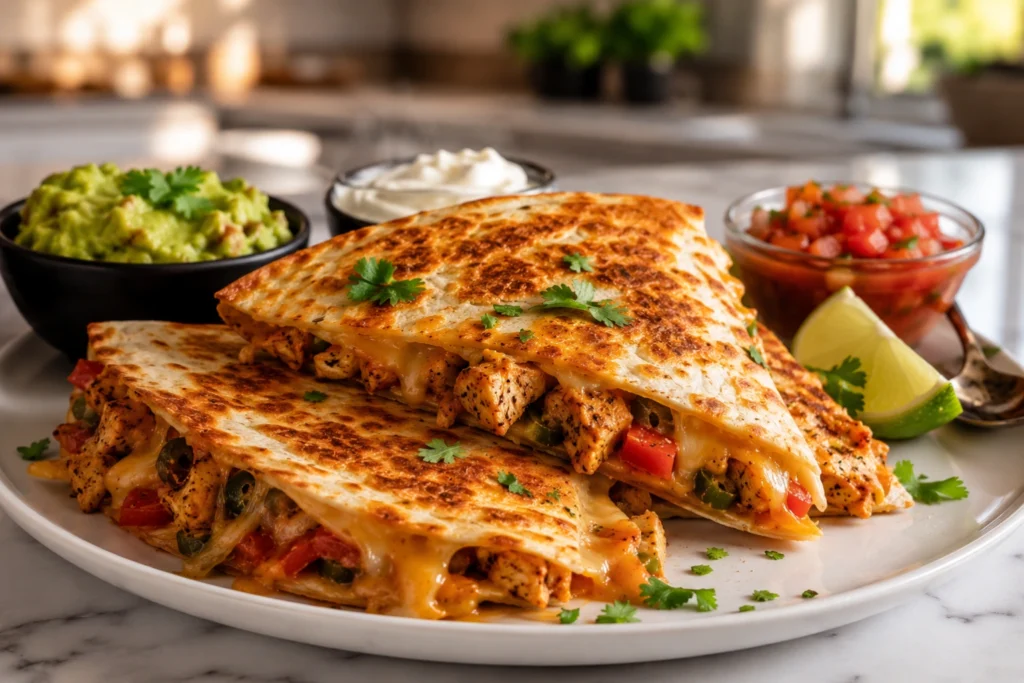
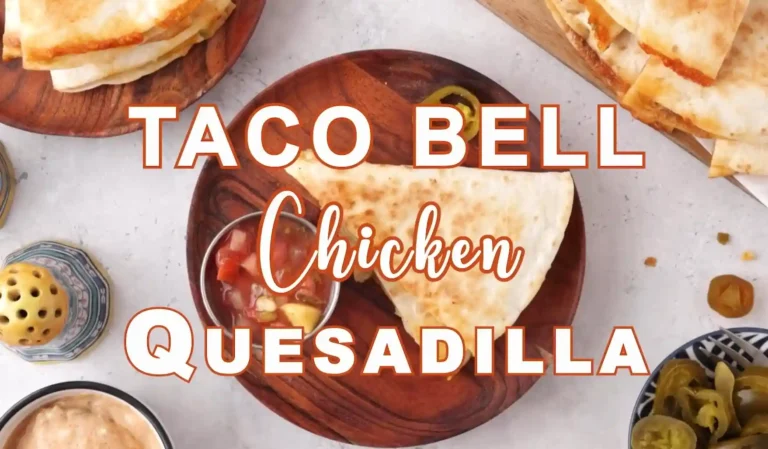
There are weeknights when dinner needs to be quick, satisfying, and genuinely good without a lot of cleanup or drama. A chicken quesadilla recipe with taco seasoning hits every one of those marks. The tortilla gets golden and crisp, the cheese pulls beautifully, and the seasoned chicken inside brings a depth of flavor that plain quesadillas simply cannot match.
What makes this version different from most is the attention to a few things that home cooks often skip: proper chicken preparation, layering the filling correctly, and controlling pan temperature so the outside crisps without burning. These small details separate a great quesadilla from a pale, soggy, or lopsided one.
Whether you are cooking for yourself on a Tuesday evening or feeding a table of hungry people, this recipe is built around your success in the kitchen. Every section answers real questions that come up while cooking, not after. By the time the quesadillas come off the skillet, you will understand exactly why each step matters.
Why This Chicken Quesadilla Recipe with Taco Seasoning Works So Well?
Plain cooked chicken inside a quesadilla tastes fine. Taco-seasoned chicken tastes like something worth making again.
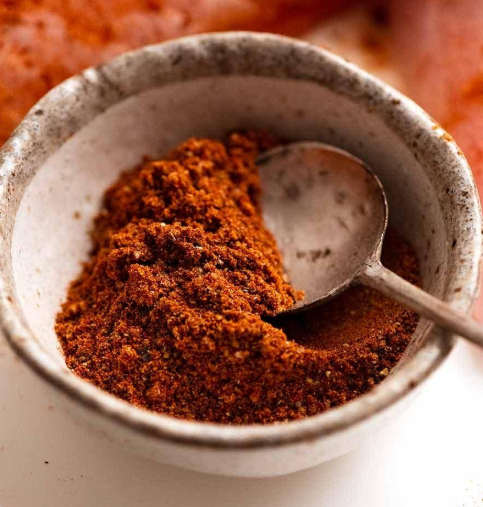
The difference comes down to how the individual spices interact with the fat and heat during cooking. Chili powder brings that earthy red backbone, the kind of warmth that you feel at the back of the throat rather than on the tip of the tongue.
Cumin adds a smokiness that reads as almost nutty when it hits a hot pan, which is a quality you cannot replicate with any substitution. Garlic powder bonds tightly to the surface of the chicken and caramelizes as it cooks, creating those slightly golden bits that carry enormous flavor.
Paprika does more than color. When you use good paprika, whether sweet or smoked, it rounds out the sharpness of the chili and ties the other spices together into something cohesive rather than a collection of separate tastes.
Dried oregano is the quiet ingredient in the mix. It blooms slowly as the chicken rests after cooking, adding a faintly herbal note that makes the whole filling smell deeply savory when the quesadilla hits the hot pan.
Together, these spices create something that mimics the layered flavor restaurants build through extended cooking times and large batch seasoning. At home, the seasoning does that same work in a fraction of the time because it is coating the chicken directly rather than floating in a sauce.
Every bite of the finished quesadilla carries that flavor through the cheese, into the tortilla, and onto the palate in a way that plain salt and pepper simply never achieves
Ingredient Breakdown
Understanding what each ingredient contributes helps you make better decisions in the kitchen, including smart substitutions when something is missing.
Chicken breast is lean, slices cleanly after cooking, and creates a filling that holds together without releasing much moisture. It absorbs seasoning well but dries out if overcooked, which is why resting time matters for this cut.
Chicken thighs carry more fat and stay juicy even if they cook a minute or two longer than intended. The texture is slightly softer than breast, which some people prefer inside a quesadilla because it contrasts less aggressively with the melted cheese.
Flour tortillas are the right choice here. They develop a crisp, golden crust with butter and hold the filling without tearing at the fold. The slight chewiness of a good flour tortilla becomes a textural asset after it has spent time in a hot skillet.
Butter is what separates a homemade quesadilla that tastes like a restaurant version from one that tastes homemade in a mediocre way. Butter browns and creates flavor. Oil alone does not produce the same result. A thin layer across the outer tortilla surface is all that is needed.
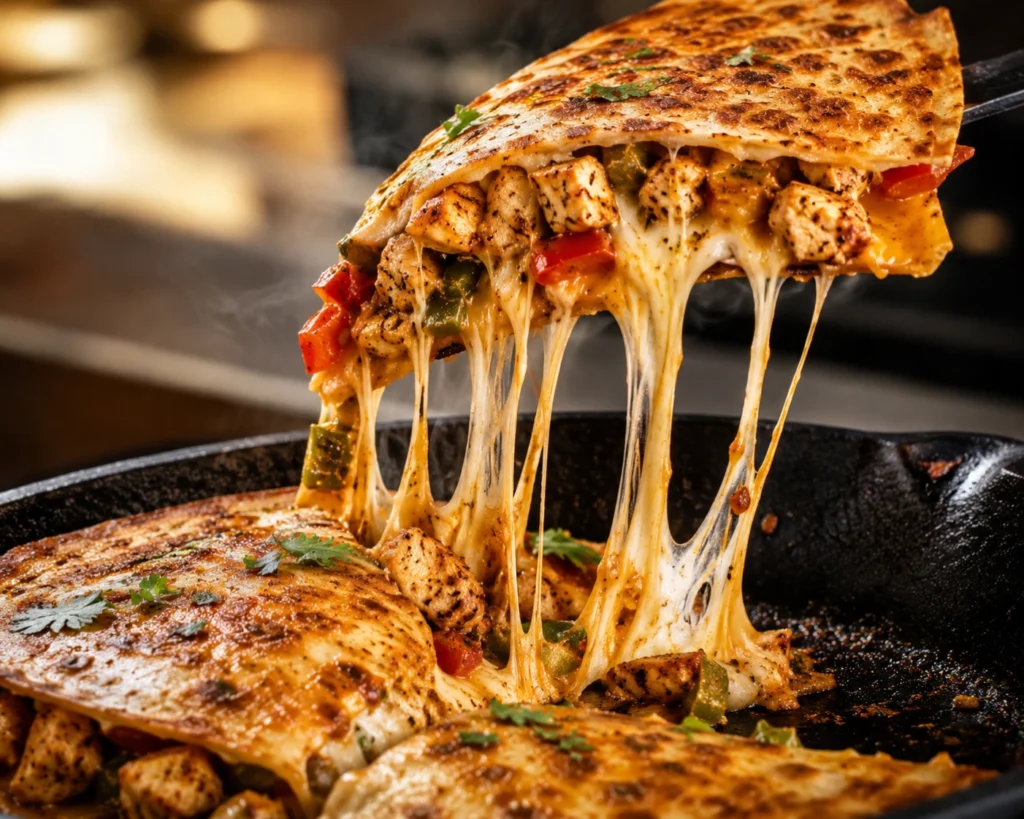
Monterey Jack cheese melts faster and more smoothly than most other common cheeses. It pulls without breaking, stays creamy rather than greasy, and has a mild flavor that lets the seasoned chicken dominate without competition.
Cheddar cheese brings sharpness and color. On its own it can clump slightly rather than melt into ribbons, but when blended with Monterey Jack it creates a combination with excellent stretch and real flavor presence.
Jalapenos introduce heat that works differently than chili powder. Fresh jalapenos add a bright, slightly grassy burn. Pickled jalapenos bring heat alongside acidity, which cuts through the richness of the cheese. Both work well depending on your preference.
Bell peppers add a gentle sweetness and a bit of moisture. Keeping them thinly sliced and sauteing them briefly before adding to the filling prevents them from releasing excess liquid inside the quesadilla during cooking.
Onions, when cooked down properly, contribute a savory sweetness that fills out the flavor of the chicken without overpowering it. Raw onion inside a quesadilla can overwhelm. Briefly cooked onion becomes background richness.
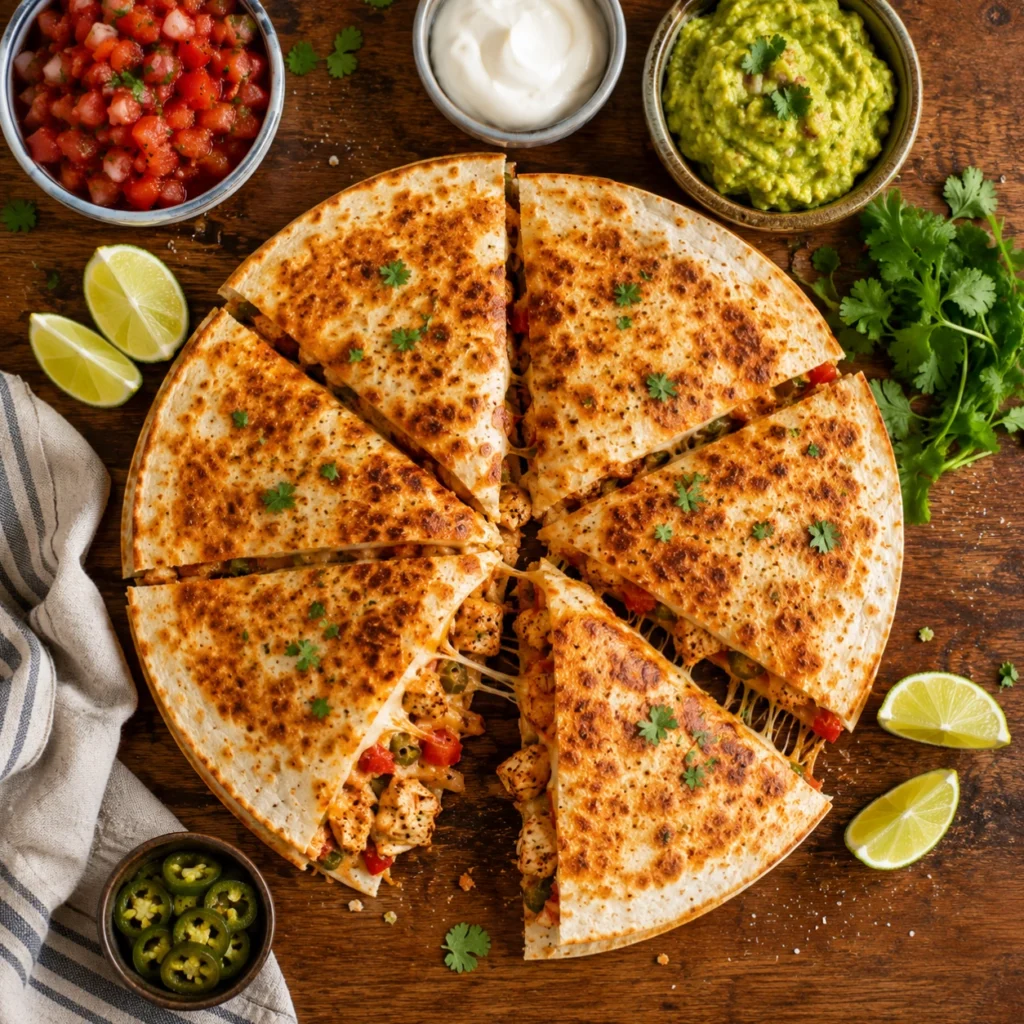
Best Chicken Options Comparison
| Chicken Type | Texture | Flavor | Convenience | Notes |
|---|---|---|---|---|
| Chicken breast | Firm, sliceable | Mild, clean | Moderate | Best when not overcooked |
| Chicken thighs | Tender, slightly soft | Richer, more savory | Moderate | More forgiving during cooking |
| Rotisserie chicken | Soft, shredded easily | Deeply savory, slightly smoky | Very high | Add seasoning after shredding |
| Leftover grilled chicken | Variable texture, slight char | Bold, smoky | Very high | Slice thin for even distribution |
Rotisserie chicken is a legitimate shortcut that produces excellent results. The meat has already been seasoned and roasted low and slow, so it carries its own flavor into the filling. Tossing shredded rotisserie chicken with a half teaspoon of taco seasoning before assembly reinvigorates it without making it taste overseasoned.
Leftover grilled chicken brings a smoky char that pairs naturally with the cumin and chili in the seasoning. Slice it thin against the grain so the pieces lay flat inside the tortilla rather than bunching up in the center.
Fresh chicken breast is the most common choice and produces a clean, consistent filling. Chicken thighs are the better option when you want something a bit more forgiving and rich.
Preparing Taco Seasoned Chicken Filling
Step 1: Season the chicken before cooking, not after.
Coat the chicken pieces generously with taco seasoning and a small drizzle of oil. The oil helps the spices adhere to the surface and prevents them from burning dry in the pan. Let the seasoned chicken sit at room temperature for at least ten minutes.
This allows the spices to start penetrating the surface rather than sitting loosely on top, which creates a more even flavor throughout the meat rather than just on the outer crust.
Step 2: Cook over medium-high heat.
A skillet at medium-high heat creates enough surface heat to brown the seasoning without steaming the chicken. Add a small amount of oil to the pan and let it heat until it shimmers before adding the chicken.
Resist the urge to move the chicken constantly. Let it sit undisturbed for three to four minutes so the seasoning crust develops properly. Turn once and cook through.
Step 3: Check internal temperature.
Chicken breast is done at 165 degrees Fahrenheit. Thighs can safely go a few degrees higher and still stay moist. Using a simple instant-read thermometer removes all guessing and prevents both undercooking and drying out.
Step 4: Rest before slicing or shredding.
This step gets skipped constantly, and it matters more than most people realize. Resting the cooked chicken for five minutes allows the juices to redistribute throughout the meat rather than running out the moment you cut into it. A properly rested chicken breast slices cleanly into even pieces that stay moist inside the quesadilla.
Kitchen Note: If the chicken is releasing liquid into the pan during cooking rather than browning, the pan is not hot enough. Remove any pooled liquid, increase the heat briefly, and continue cooking. Steamed seasoned chicken and properly seared seasoned chicken are very different in final flavor.
Proper Quesadilla Assembly
How a quesadilla is assembled determines whether it holds together during cooking and whether every bite contains an even ratio of chicken, cheese, and filling.
Start with cheese directly on the tortilla, not chicken.
Placing cheese directly on the bottom tortilla creates a binding layer that glues the filling to the bread. When you place chicken first and cheese on top, the filling is more likely to slide during flipping. The cheese melts down into the chicken and becomes the adhesive that holds the whole structure together.
Distribute filling in a thin, even layer.
Overfilling is the number one structural problem in homemade quesadillas. Too much filling makes flipping difficult and pushes ingredients out the sides when the top tortilla presses down. A moderate, even layer of filling that stays away from the outer half-inch of the tortilla edge allows the cheese to seal the border during cooking.
Top with another layer of cheese before the second tortilla.
Cheese on both the bottom and just below the top tortilla creates a dual-seal effect. Both inner surfaces are sticky with melted cheese, which significantly reduces the chance of filling sliding or spilling.
Prevent moisture from building up inside.
If the filling contains peppers or onions that were not pre-cooked, they will release steam inside the closed quesadilla, making the tortilla soggy from the inside out. Saute any vegetables briefly until they are slightly softened and most of their moisture has evaporated before adding them to the assembly.
Cooking Perfectly Crispy Quesadillas
Pan temperature is the most important variable.
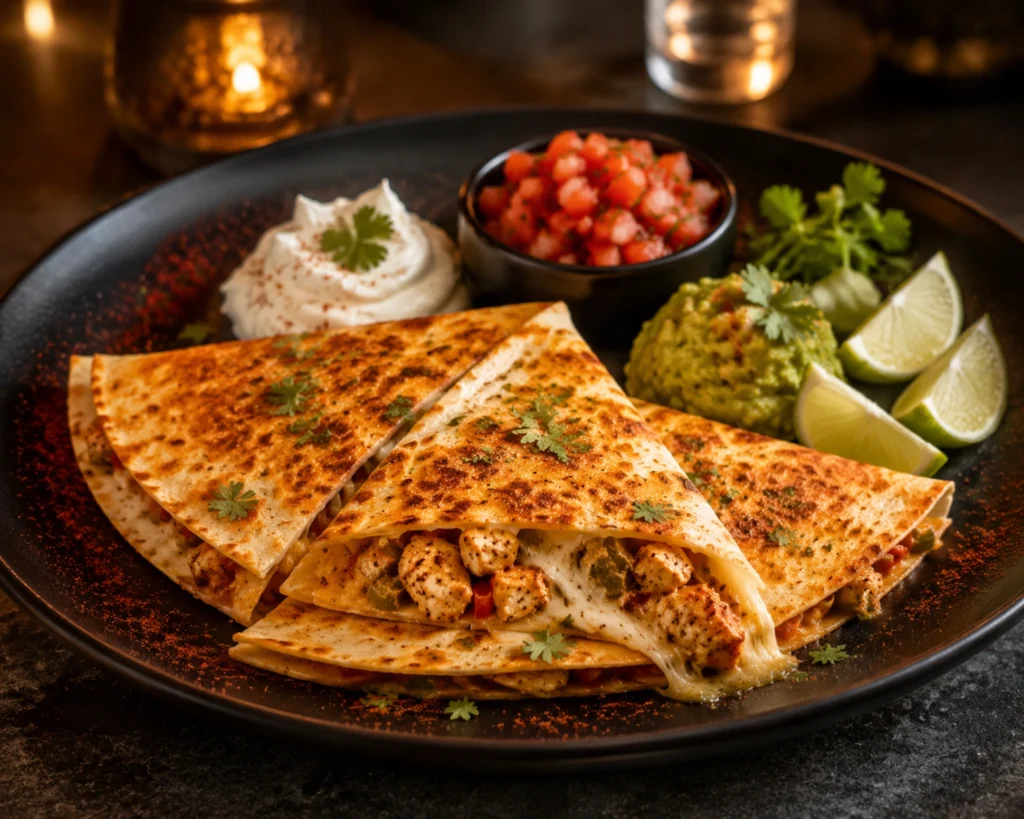
A cold or barely warm pan produces pale, soft tortillas. A pan that is too hot burns the butter and the tortilla before the cheese has time to melt. Medium heat, confirmed by the butter foaming gently but not browning immediately when it hits the pan, is the correct starting point.
Butter over oil for the outer surface.
A thin spread of butter on the outer face of each tortilla (applied before placing in the pan or by adding to the already-hot pan and swirling) creates browning through the Maillard reaction that oil alone does not replicate at moderate home cook temperatures.
The milk solids in butter brown and create flavor. The result is a tortilla that tastes golden, not just looks it.
Flip once, with confidence.
Hesitant flipping breaks quesadillas. Slide a wide spatula fully under the quesadilla so that it is completely supported before turning.
If the quesadilla is large, use a second spatula or a plate to assist. Flip quickly and firmly. The filling will stay in place if the cheese has had adequate time to start melting before the flip.
Rest before slicing.
Cutting immediately after the quesadilla comes off the heat releases steam and softens the tortilla. Letting it rest on a wire rack or cutting board for ninety seconds allows the crust to stay firm and the cheese to set slightly, which means cleaner cuts and better texture in every slice.
For Best Results: Cook one quesadilla at a time in a ten or twelve-inch skillet rather than trying to cook two at once in a larger pan. The edges of a crowded pan cook differently than the center, and the crust suffers for it.
Best Cheese Comparison
| Cheese | Melt Quality | Flavor Strength | Texture | Stretchiness |
|---|---|---|---|---|
| Monterey Jack | Excellent | Mild | Smooth, creamy | High |
| Oaxaca | Excellent | Mild, slightly milky | Stringy, layered | Very high |
| Chihuahua | Very good | Buttery, mild | Soft | High |
| Cheddar (sharp) | Good | Strong, tangy | Can be slightly grainy | Moderate |
| Pepper Jack | Very good | Medium, spicy | Smooth | High |
| Mozzarella | Good | Very mild | Elastic | Very high |
The blend that produces the most consistently excellent results is two parts Monterey Jack to one part sharp cheddar. The Monterey Jack handles the melt and pull, and the cheddar adds enough flavor to actually taste like something once it is inside the quesadilla.
Oaxaca cheese is the traditional choice for Mexican-style quesadillas and produces an extraordinary stretch. If you can find it, use it. The melt is slower than Monterey Jack, so give it a minute more on lower heat to ensure it fully softens before flipping.
Avoid pre-shredded cheese if possible. The anti-caking agents added to pre-shredded bags coat each strand and interfere with melting, producing a slightly gritty, separated texture rather than a smooth pull. Grating your own takes an extra two minutes and produces noticeably better results.
Homemade Seasoning Versus Store-Bought Packets
Store-bought taco seasoning packets are convenient and produce a reliable flavor. For a quick weeknight quesadilla, they work without any problem.
Homemade seasoning gives you control over every variable. The sodium level in commercial packets is high, typically around 15 to 20 percent of the daily recommended value per serving, which adds up quickly when you are using a full packet.
A homemade blend lets you reduce sodium without sacrificing flavor by compensating with slightly more cumin, garlic, and paprika.
Freshness also matters. Spices lose potency once opened and stored for extended periods. A homemade blend made from recently purchased spices will taste noticeably brighter and more vibrant than a packet that has been sitting in a pantry for a year.
The difference is most apparent in the cumin and chili powder, which are the dominant flavors in the blend.
Customization is the real advantage. If your household prefers more heat, more garlic, or less oregano, homemade seasoning makes that adjustment simple. The seasoning on this site covers exactly this kind of flexible approach if you want to explore building your own blend from scratch.
How to Prevent Soggy Quesadillas
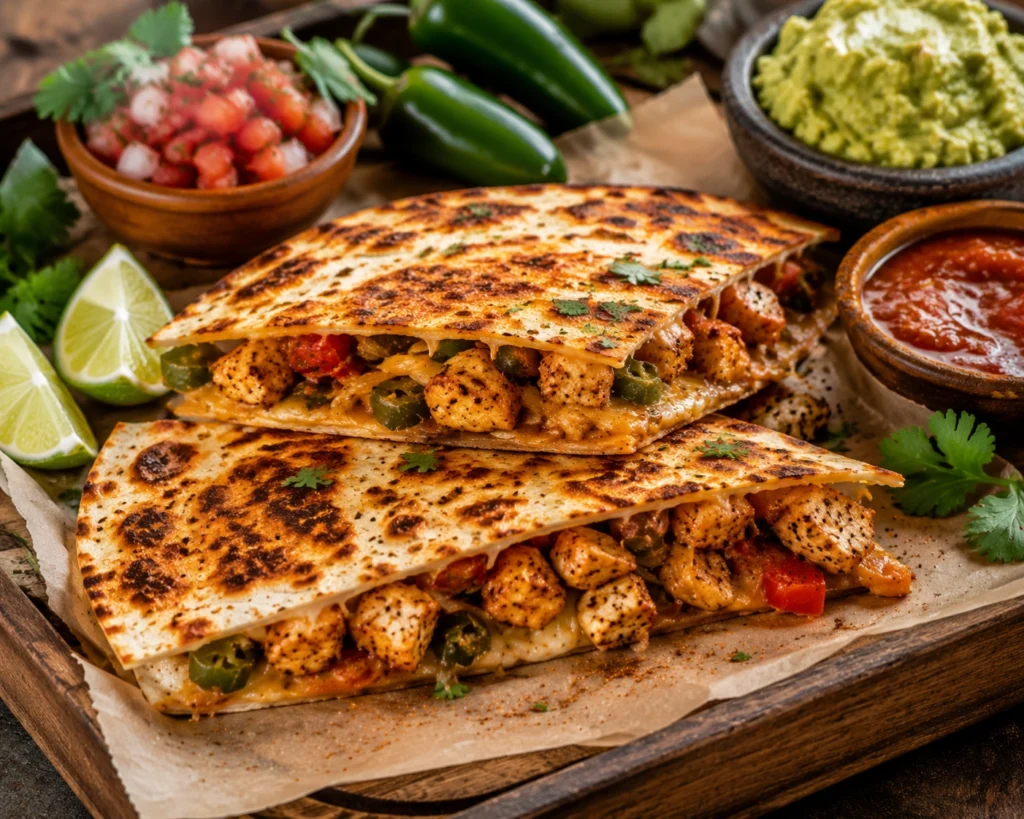
Soggy quesadillas come from four distinct causes, and each one has a direct fix.
Wet chicken filling. Chicken that was not patted dry before seasoning, or that released moisture during cooking without it being cooked off, carries that liquid into the assembly. Pat chicken dry before seasoning, and allow any liquid that pools during cooking to evaporate fully before removing it from the pan.
Under-cooked or raw vegetables inside. Bell peppers, onions, and mushrooms contain significant water that releases during cooking. If these go into the quesadilla raw, they steam during cooking and the moisture has nowhere to go except into the tortilla. Pre-cooking vegetables for two to three minutes before assembly eliminates this entirely.
Overfilling. Too much filling prevents the tortilla from laying flat against the heat of the pan, which means the center cooks more slowly, stays softer, and never gets the chance to crisp. Keep filling layers thin.
Wrong heat level. Too low a heat means the tortilla sits in the pan absorbing butter and steam without crisping. Medium heat is the target. The tortilla should begin making a subtle sizzle sound immediately when it contacts the pan.
Stacking finished quesadillas. Placing hot quesadillas directly on top of each other traps steam between them and softens both the top and bottom surfaces within minutes. Rest finished quesadillas in a single layer on a wire rack until ready to serve.
Common Cooking Mistakes and How to Avoid Them
Adding cheese too close to the edge. When cheese melts, it flows outward. If it starts within a quarter inch of the edge, it will spill onto the pan, burn, and stick. Keep all filling ingredients at least a half inch from the border.
Using too much butter. A generous pat of butter sounds like the right move, but too much creates a greasy, soft result rather than a crisp one. A thin, even coating across the outer face of the tortilla is all that is needed. Excess butter pools in the pan and essentially fries the tortilla unevenly.
Cooking on maximum heat to save time. High heat browns the exterior faster than the cheese can melt, which produces a quesadilla with a burned bottom, raw cheese, and cold filling. Medium heat takes a few minutes longer but produces a properly cooked result.
Skipping the resting step. Cutting a quesadilla immediately releases steam and softens the crust. A ninety-second rest on the counter preserves the texture you worked to create.
Pressing down during cooking. It seems intuitive to press the quesadilla flat with a spatula, but this compresses the filling and pushes moisture outward, which softens the tortilla. Let the weight of the top tortilla and the natural heat of the pan do the work.
Using cold chicken straight from the refrigerator. Cold filling causes the cheese directly around it to solidify rather than melt properly, and cold chicken takes longer to heat through, which means the tortilla overcooks while waiting. Bring the filling to room temperature for ten minutes before assembly, or warm it briefly in a pan before adding to the tortilla.
Recipe Variations
Mexican style version. Use Oaxaca cheese instead of cheddar, add a small amount of roasted poblano, and finish with a squeeze of fresh lime over the slices. The flavor becomes earthier and more deeply savory.
Spicy version. Add a tablespoon of canned chipotle in adobo sauce to the chicken filling during cooking. The smokiness of the chipotle amplifies the cumin in the taco seasoning while the adobo sauce adds heat that builds slowly rather than hitting immediately.
Air fryer version. Brush the outer tortilla faces with a light coating of oil rather than butter. Cook at 375 degrees Fahrenheit for five to six minutes, flipping halfway through. The air fryer produces a uniform crispiness across the entire surface that is difficult to replicate in a skillet. It does not replicate the buttery flavor of the stovetop version, but the texture is outstanding.
Black bean version. Add a few tablespoons of rinsed, drained canned black beans to the chicken filling. The beans add bulk, a slightly earthy flavor, and a firmer texture that pairs well with the melted cheese. Do not overfill.
BBQ chicken version. Toss the cooked taco-seasoned chicken with a tablespoon of your preferred barbecue sauce before assembling. The sweetness of the BBQ sauce against the smokiness of the seasoning creates a slightly different flavor profile that works especially well with sharp cheddar and pickled jalapenos.
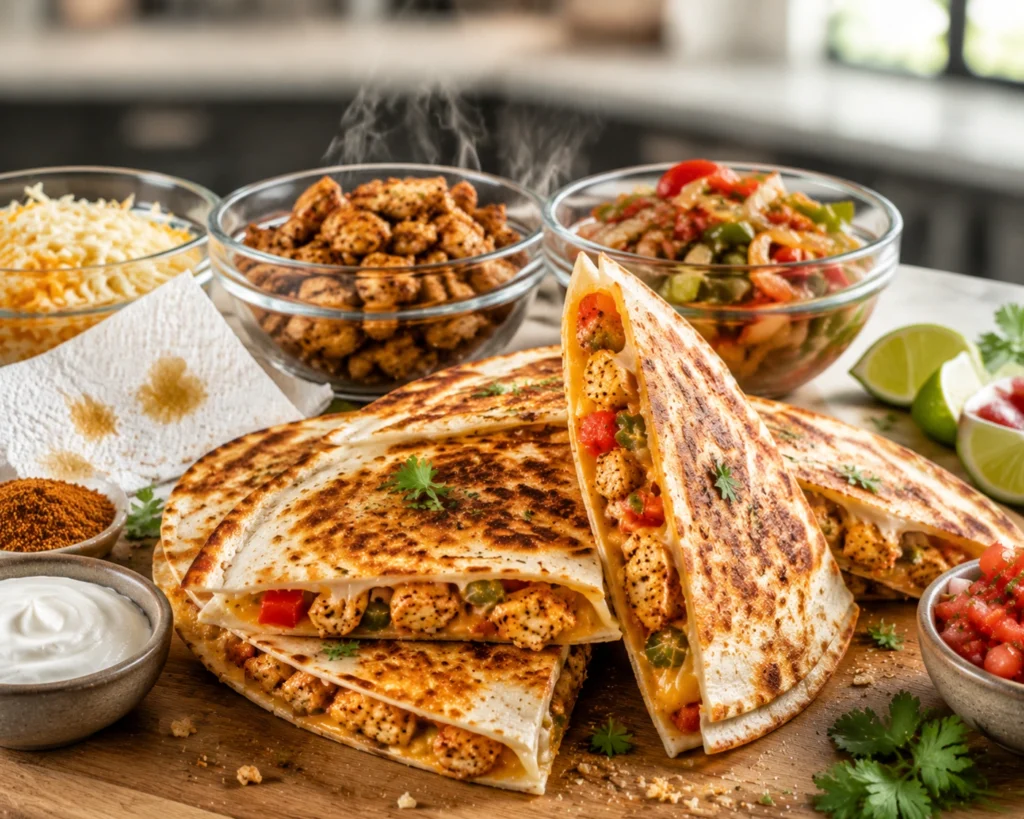
Best Side Dishes and Sauces
A properly seasoned, crispy quesadilla is satisfying on its own, but the right accompaniments push it from a quick meal to a real one.
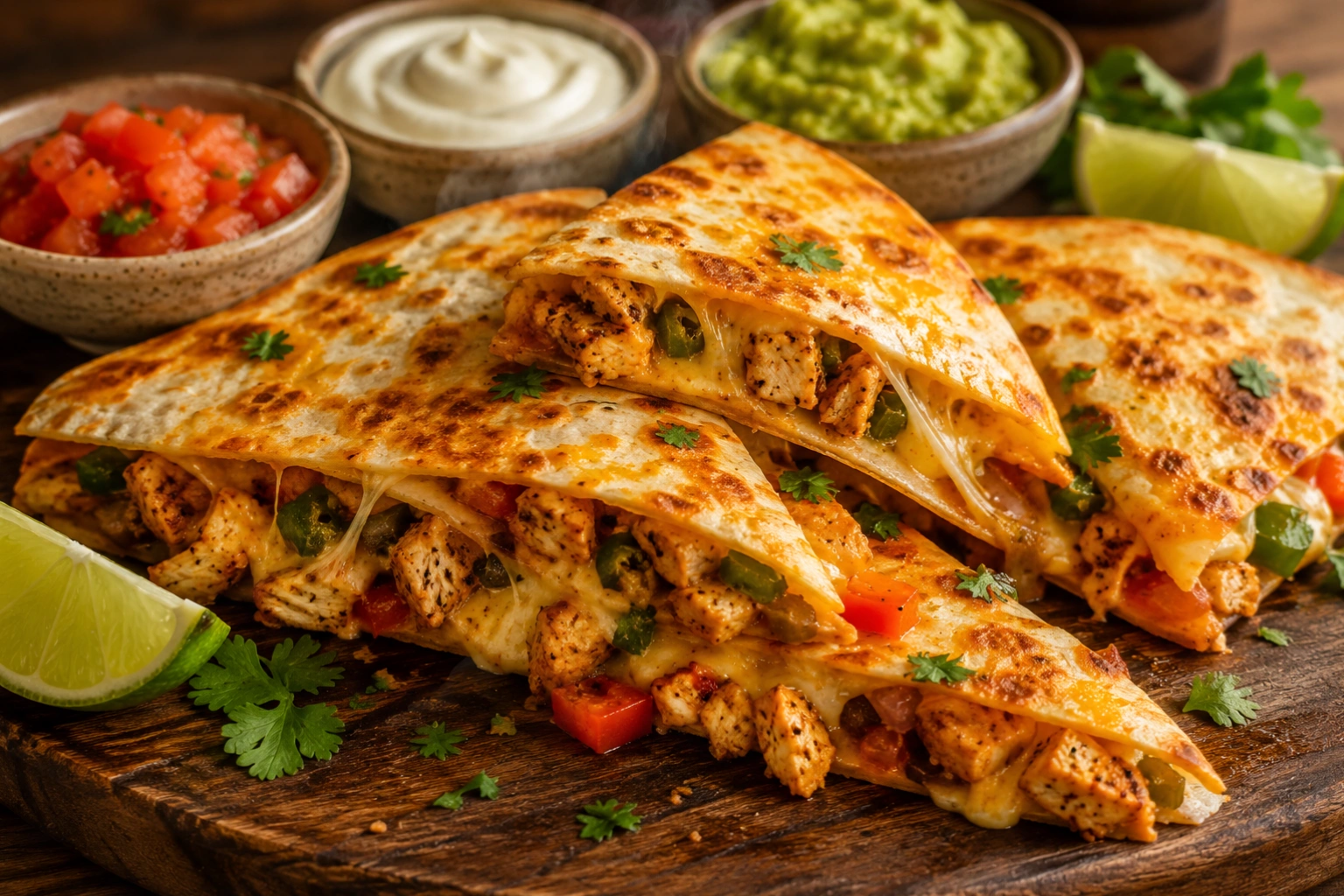
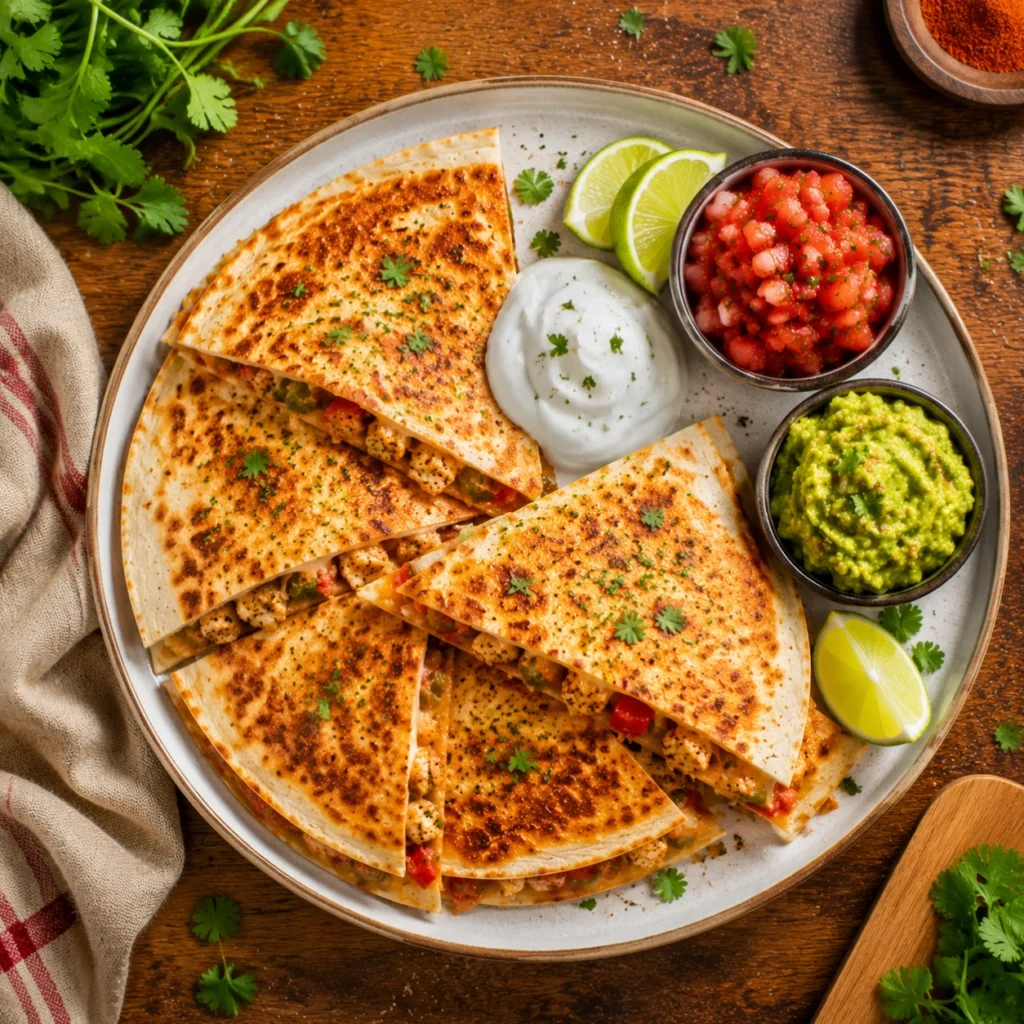
Sour cream is the classic pairing because the cool acidity balances the richness of the cheese and the heat of the seasoning. A small bowl on the side lets each person control how much they use.
Guacamole adds creaminess and a fresh, buttery flavor that complements the savory filling without competing with it. A simple version made with ripe avocado, lime, and salt is all that is needed.
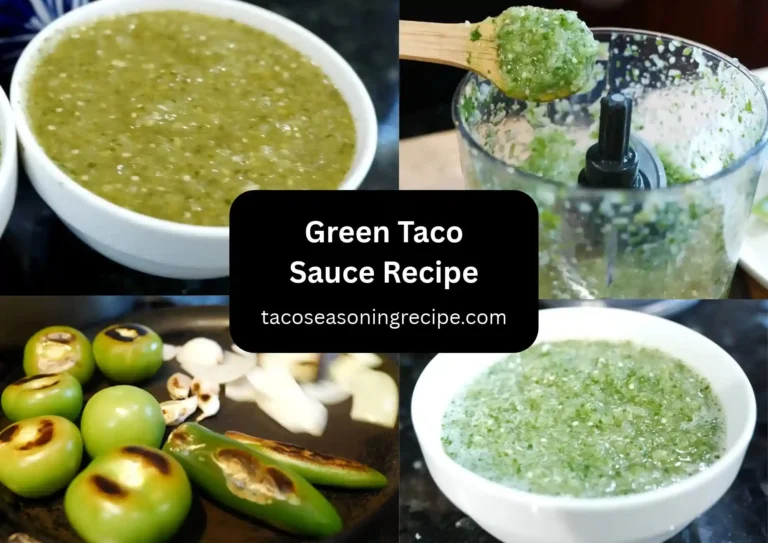
Salsa adds brightness and contrast. A chunky fresh pico de gallo works differently than a smooth roasted salsa, and both are good in different ways. Pico adds acidity and texture. A roasted salsa adds depth.
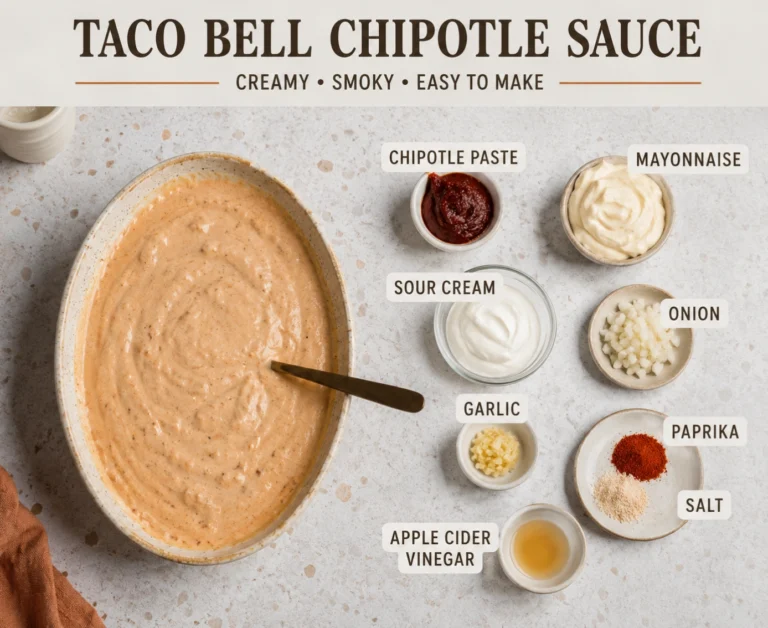
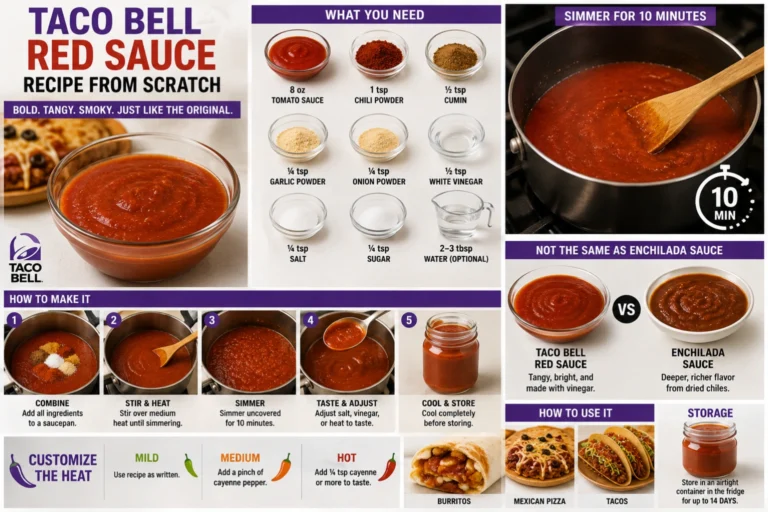
If you enjoy a smoky, creamy dipping option, the chipotle sauce recipe on this site works exceptionally well alongside quesadillas. The same applies to the red sauce recipe, which brings a sharper, more vinegary contrast that cuts through the cheese.
A simple side salad with citrus dressing keeps the meal from feeling too heavy. The taco salad recipe on this site can be scaled down into a side portion that pairs naturally with quesadillas.
For the best possible tortilla experience, the guide on best tortillas for tacos includes practical advice that applies equally well to quesadilla cooking, particularly around choosing tortillas that hold up to heat without splitting or turning stiff.
Good taco toppings like shredded lettuce, diced tomato, and sliced avocado work just as well piled alongside quesadilla slices as they do inside tacos.
Storage and Reheating
Refrigerator storage. Allow quesadillas to cool completely before storing. Place them in a single layer in an airtight container or wrap individually in foil. They keep well for up to three days. Stacking them while warm traps moisture and accelerates softening.
Freezer storage. Quesadillas freeze well if handled correctly. Let them cool fully, slice into wedges, and lay them flat on a parchment-lined sheet pan in the freezer for one hour before transferring to a zip-close freezer bag. This flash-freezing step prevents the slices from sticking together. They keep for up to two months.
Best reheating method. A dry skillet over medium heat is the best way to reheat a stored quesadilla. Place the wedges flat in the pan, cover loosely with a lid or foil to help the cheese warm through, and heat for two to three minutes per side. The tortilla crisps back up and the cheese melts properly without becoming rubbery.
Why microwaving changes texture. The microwave heats through steam, which is exactly what makes tortillas soft and soggy. The interior cheese and filling warm up, but the moisture from that heating process saturates the tortilla rather than evaporating.
The result is a limp, steamed quesadilla instead of a crispy one. If the microwave is the only option, thirty to forty-five seconds on medium power followed by a quick thirty seconds in a dry skillet partially recovers the texture.
Frequently Asked Questions
Can I use rotisserie chicken?
Rotisserie chicken is an excellent shortcut for this recipe. The meat has already been cooked slowly and seasoned, so it carries its own deep flavor into the filling. Shred it while it is still warm, when the fibers separate most easily, and toss it with a half teaspoon of taco seasoning to refresh the spice profile.
Because rotisserie chicken is already cooked, you simply need to warm it through once it is inside the assembled quesadilla. It works particularly well for making multiple quesadillas quickly since the preparation time drops significantly.
Can I freeze quesadillas?
Yes, and they hold up better in the freezer than most people expect. The key is cooling them fully before freezing, then freezing the sliced wedges flat in a single layer before bagging them. This prevents them from sticking together and makes it easy to pull out just what you need.
Reheat directly from frozen in a dry skillet over medium heat, covered, for about four minutes per side. The texture does not fully return to fresh-off-the-skillet crispiness, but it comes close enough to be genuinely satisfying.
Why are my quesadillas soggy?
Soggy quesadillas almost always come from one of three sources: wet filling, raw vegetables releasing moisture during cooking, or heat that is too low to crisp the tortilla. Check that your chicken filling is fully cooked and dry before assembly, that any vegetables were pre-sauteed to release their moisture, and that your pan is preheated to medium before the quesadilla goes in.
If the tortilla does not sizzle immediately on contact with the pan, the heat is too low and the tortilla is absorbing fat rather than crisping in it.
Can I make them ahead of time?
You can prepare the chicken filling up to two days ahead and store it in the refrigerator. Assembly and cooking are best done fresh, as pre-assembled uncooked quesadillas tend to become wet where the filling contacts the raw tortilla.
If you need to serve several quesadillas quickly, cook them in batches and keep finished ones warm in a 200-degree oven on a wire rack set over a sheet pan. The rack keeps air circulating underneath so the bottoms do not soften from contact with a flat surface.
Can I use corn tortillas?
Corn tortillas produce a very different result. They are thinner, less flexible, and more prone to cracking when folded. For the crispy, full-size quesadilla this recipe produces, flour tortillas are the better choice. If you prefer corn, consider making smaller tostada-style open-face versions rather than folded quesadillas.
Layer the filling on a single corn tortilla and cook uncovered in a skillet, or toast the corn tortilla separately and assemble open-face just before serving to prevent sogginess.
What cheese melts best?
Monterey Jack is the gold standard for melt quality in quesadillas. It becomes smooth and creamy rather than greasy or stringy, and it pulls in long, satisfying ribbons when the quesadilla is pulled apart. Oaxaca cheese is the traditional choice and melts slightly more slowly but produces exceptional stretch.
For the best home cook version, a blend of Monterey Jack and sharp cheddar gives you smooth melt plus real flavor. Grate your own cheese from a block rather than using pre-shredded bags for the best possible melt.
Can I use chicken thighs?
Chicken thighs are genuinely the more forgiving option in this recipe. The higher fat content means they stay moist even if they cook a few minutes longer than intended, which is not true of chicken breast. The flavor is slightly richer and more savory than breast meat, which pairs well with the taco seasoning.
The texture is softer, which some people prefer inside a quesadilla. Slice or shred thighs after cooking and they distribute through the filling beautifully. If you find chicken breast in your quesadillas tends to taste dry, switching to thighs solves the problem immediately.
Can I use homemade taco seasoning?
Homemade taco seasoning produces a noticeably brighter, more vibrant flavor than most commercial packets, particularly when made with fresh, recently purchased spices. The main advantages are control over sodium, heat level, and the ratio of cumin to chili powder, which are the two dominant flavors in any good blend.
A basic homemade version of one tablespoon chili powder, one and a half teaspoons cumin, half a teaspoon each of garlic powder and paprika, and a quarter teaspoon oregano covers the essential flavor profile and can be scaled up easily to keep on hand.
Can I cook them in an air fryer?
The air fryer works well for quesadillas and produces a remarkably even, crispy surface that is slightly different from but comparable to a stovetop version. Brush or spray the outer faces of the tortilla lightly with oil rather than butter, as butter can smoke at air fryer temperatures.
Cook at 375 degrees for five to six minutes, flipping once at the halfway point. The result is crispier and drier than the stovetop version, with less of the buttery richness. It is an excellent method when cooking for yourself without wanting to monitor a skillet actively.
How do restaurants make quesadillas so crispy?
Restaurant quesadillas are typically cooked on a flat-top griddle rather than a skillet, which provides even, consistent heat across the entire surface simultaneously. At home, the closest approximation is a large, heavy cast-iron pan or griddle preheated thoroughly before the quesadilla goes in.
The other factor is fat distribution: restaurants apply a thin, even layer of butter or clarified butter across the entire cooking surface rather than just dropping a pat in the center. Clarified butter, which has the milk solids removed, browns more evenly and does not burn at medium heat the way regular butter can. Using a pastry brush to apply melted butter across the full outer tortilla face before cooking brings the result much closer to what you experience at a good restaurant.
Conclusion
A chicken quesadilla with taco seasoning is one of those recipes that rewards attention to the small details. The seasoning blend, the resting time, the heat level, the cheese choice, and the resting period after cooking all add up to a result that tastes genuinely different from a casually assembled version. None of these steps are complicated or time-consuming. They just require knowing why they matter.
Once the method is understood, the variations become intuitive. Different cheeses, different heat levels, different vegetables, different protein options all slot naturally into the same framework. The crispy tortilla, the pulled cheese, the deeply seasoned filling: those elements stay consistent while everything else adapts to whatever sounds good that evening.
The best part is that this recipe is genuinely fast. With prepared chicken filling on hand, a fresh quesadilla takes under ten minutes from skillet to table. That combination of speed, flavor, and reliability is what makes this a recipe worth returning to.