Tacos de Lengua That Taste Rich and Tender
What are tacos de lengua?
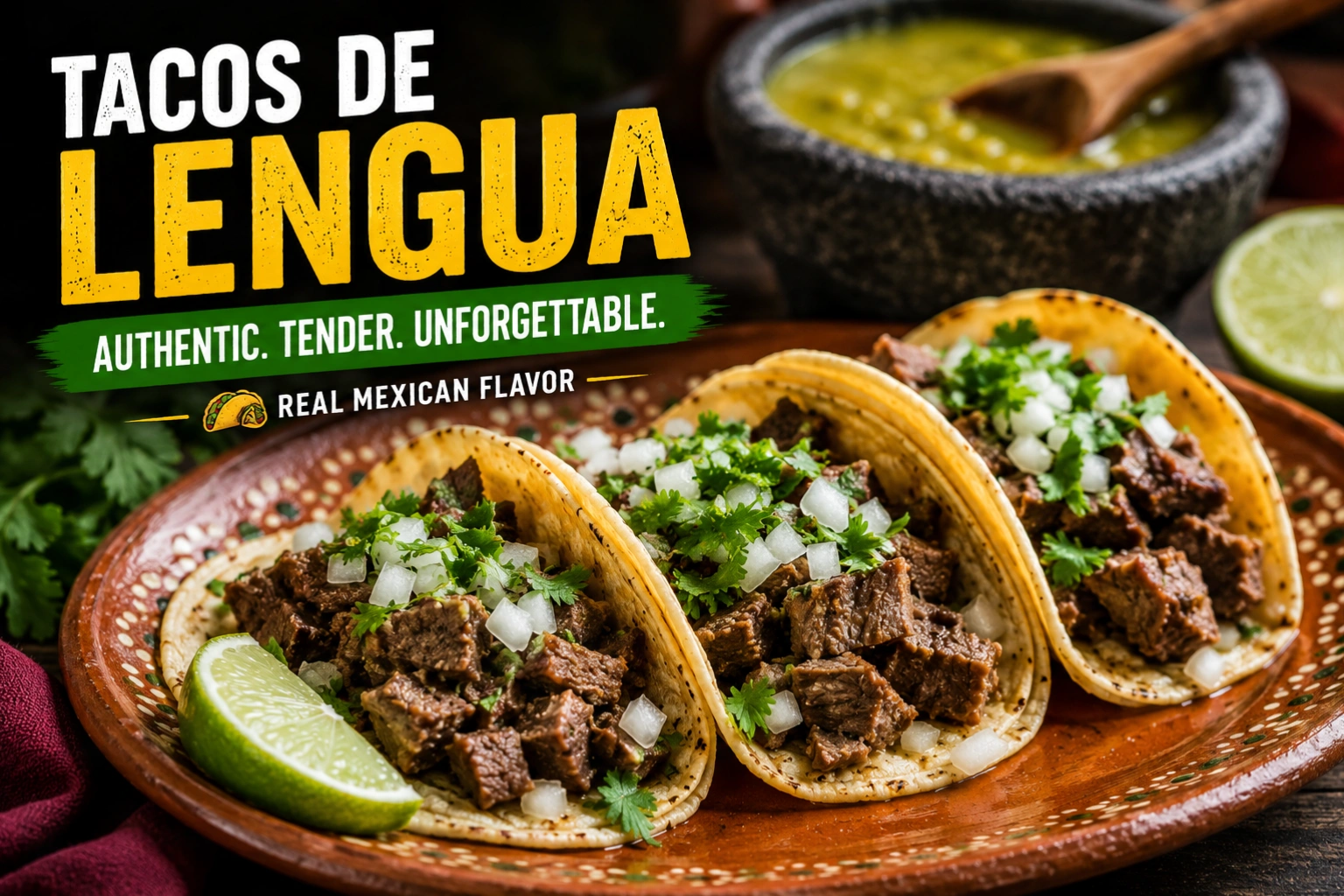
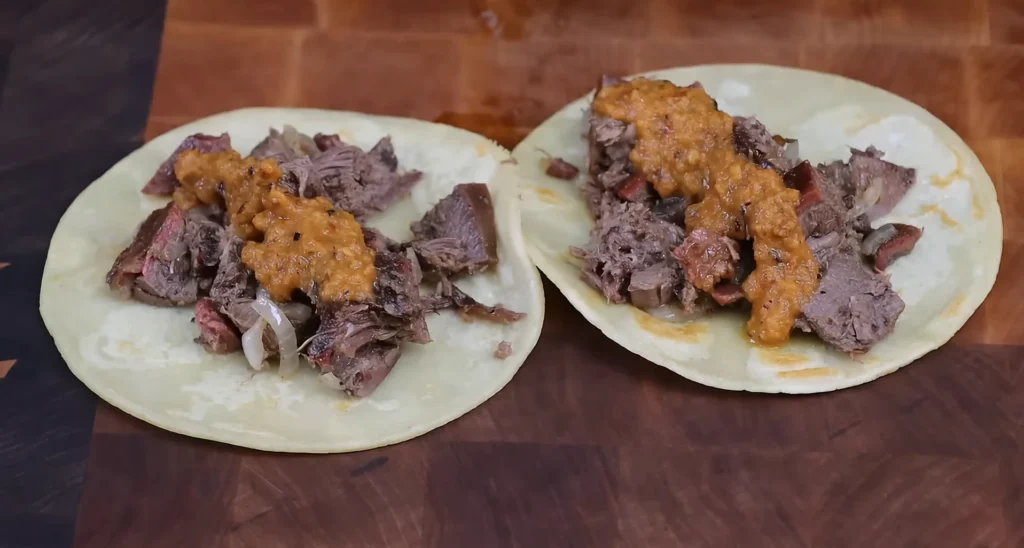
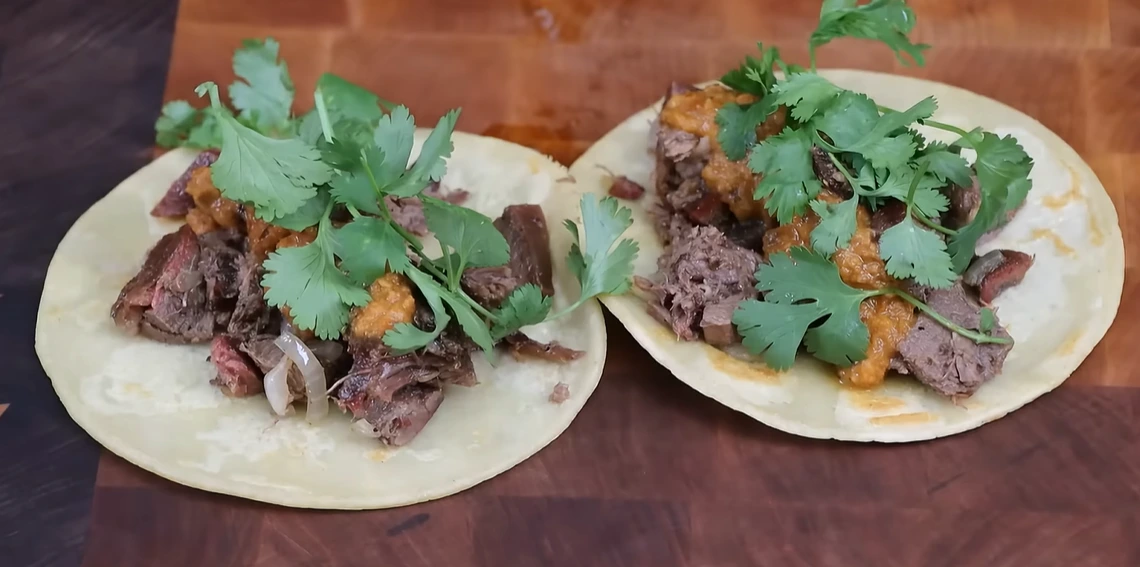
Tacos de lengua are authentic Mexican tacos made with slow cooked beef tongue folded into warm corn tortillas and topped with cilantro, onion, salsa verde, and lime. The meat becomes buttery, tender, and rich after slow simmering or pressure cooking.
The first time I cooked beef tongue, I nearly ruined it. I pulled it from the pot too early, sliced it open, and ended up with chewy meat that felt more like rubber than tacos. A few years later, after testing stovetop batches, pressure cooker methods, and different seasonings, I finally understood why great tacos de lengua taste buttery and tender while bad ones taste tough.
Good lengua tacos depend on patience, moisture, and proper peeling. Once you learn those three things, the process becomes simple.
In this guide, you’ll learn how to make authentic tacos de lengua at home, how long to cook beef tongue, which toppings work best, and the common mistakes that make lengua dry or bland. I’ll also show you the difference between stovetop and Instant Pot cooking so you can pick the method that fits your kitchen.
Traditional Mexican food culture treats every cut of beef with respect, especially collagen rich meat like lengua. In many Mexico City street markets and Los Angeles taco trucks, taqueria style lengua tacos are considered one of the best examples of authentic Mexican street food.
Tacos de lengua are made from slow cooked beef tongue
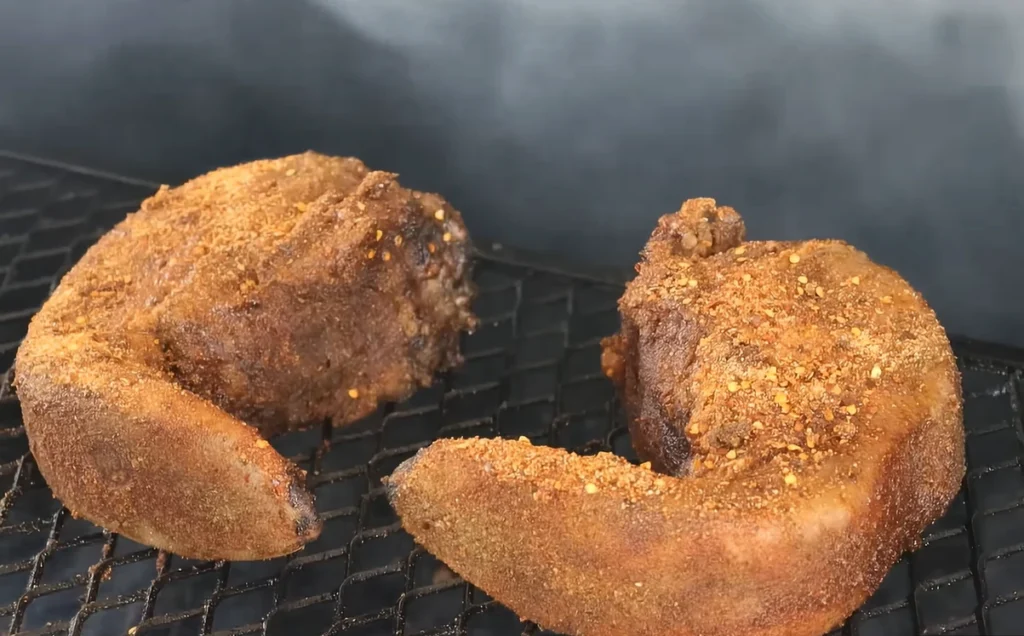
Tacos de lengua use beef tongue that has been simmered or pressure cooked until tender, then chopped and served in warm corn tortillas.
Lengua has a rich beef flavor that tastes deeper than brisket but softer than steak. When cooked correctly, the meat becomes silky and easy to shred. That texture explains why tacos de lengua remain popular in Mexican taquerías across the United States.
Authentic tacos de lengua usually include:
• Chopped white onion
• Fresh cilantro
• Salsa verde or salsa roja
• Warm corn tortillas
• Lime wedges
Many home cooks expect beef tongue to taste unusual. It actually tastes mild and beefy. The texture surprises people more than the flavor.
According to the USDA, organ meats and beef offal contain high amounts of iron, vitamin B12, and zinc. Beef tongue also provides around 19 grams of protein per serving. Harvard Health has also noted that vitamin B12 supports nerve and brain function.
Why beef tongue becomes so tender
Beef tongue contains collagen and connective tissue. Slow cooking breaks those tissues down into gelatin. That process takes time. Most stovetop lengua recipes need 3 to 4 hours. Pressure cookers usually need 90 to 120 minutes.
If you stop cooking early, the tongue stays chewy and difficult to peel.
What tacos de lengua taste like
Properly cooked lengua tastes:
• Richer than shredded beef
• Softer than flank steak
• Less fatty than barbacoa
• Slightly buttery from natural collagen
• Juicy with a silky beef texture
The flavor pairs especially well with acidic toppings like tomatillo salsa verde and lime juice.
Many people ask what does lengua taste like after seeing it on a taquería menu. The answer surprises most first time eaters because the flavor is mild, savory, and closer to pot roast than organ meat.
The best way to cook beef tongue for tacos
The best way to cook beef tongue is low and slow with enough liquid to keep the meat moist the entire time.
You can make lengua tacos using three main methods:
| Method | Time | Texture | Best For |
|---|---|---|---|
| Stovetop simmer | 3 to 4 hours | Deep beef flavor | Traditional cooking |
| Instant Pot | 90 to 120 minutes | Very tender | Faster meals |
| Slow cooker | 7 to 8 hours | Soft and juicy | Hands off cooking |
Instant Pot lengua tacos have become especially popular in the United States because pressure cooking cuts the cooking time nearly in half while still producing tender meat.
Ingredients that build authentic flavor
Most authentic tacos de lengua recipes use simple aromatics instead of heavy spice blends.
Use these ingredients for the broth:
• 1 beef tongue, 3 to 4 pounds
• 1 white onion
• 1 garlic head
• 3 bay leaves
• 1 tablespoon salt
• 1 teaspoon black peppercorns
• Mexican oregano
• Water to fully cover the meat
Some cooks also add cloves, guajillo chiles, or allspice. Guajillo chiles add smoky depth without overwhelming the natural beef flavor.
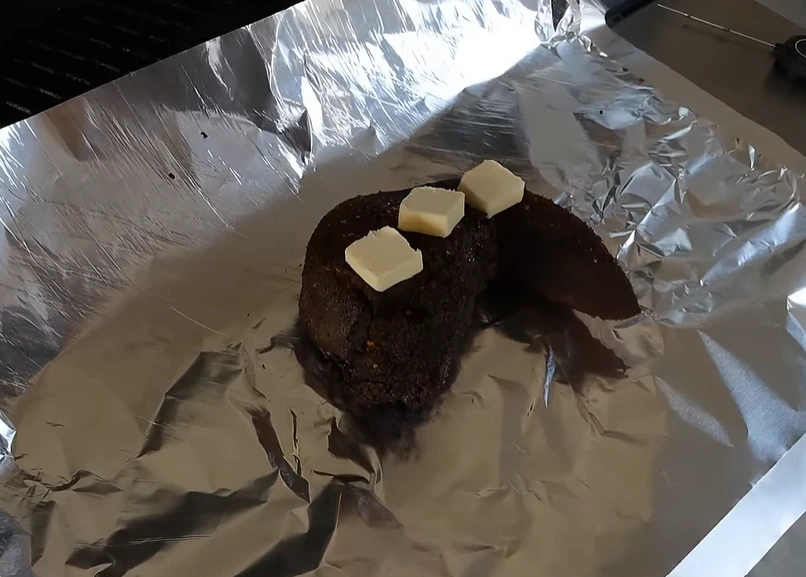
How to cook tacos de lengua on the stovetop
Stovetop lengua develops the richest flavor because the meat cooks gradually over several hours.
Follow these steps:
- Rinse the tongue under cold water.
- Add tongue and aromatics to a large stockpot or Dutch oven.
- Cover with water by at least 2 inches.
- Bring to a boil for 15 minutes.
- Reduce heat to a gentle simmer.
- Cook 3 to 4 hours until fork tender.
- Remove and cool slightly.
- Peel while still warm.
- Dice or shred the meat.
The tongue is ready when a knife slides in easily near the thickest part.
How to make tacos de lengua in an Instant Pot
Instant Pot tacos de lengua save nearly 2 hours compared to stovetop cooking. Cook on high pressure for 2 hours, then allow natural pressure release for at least 20 minutes. I tested both quick release and natural release. Natural release produced noticeably softer meat. Pressure cooked lengua also retains more savory broth flavor because less liquid evaporates during cooking.
Common mistake: peeling the tongue too late
Peeling becomes harder once the meat cools completely. Remove the outer layer while the tongue stays warm but safe to handle. The skin should pull away in large pieces. If the peel sticks stubbornly, the tongue likely needs more cooking time.
Many cooks also skip cleaning the tongue properly. If you are learning how to clean beef tongue, rinse it carefully and trim rough tissue after cooking for the best texture.
Authentic toppings make tacos de lengua taste balanced
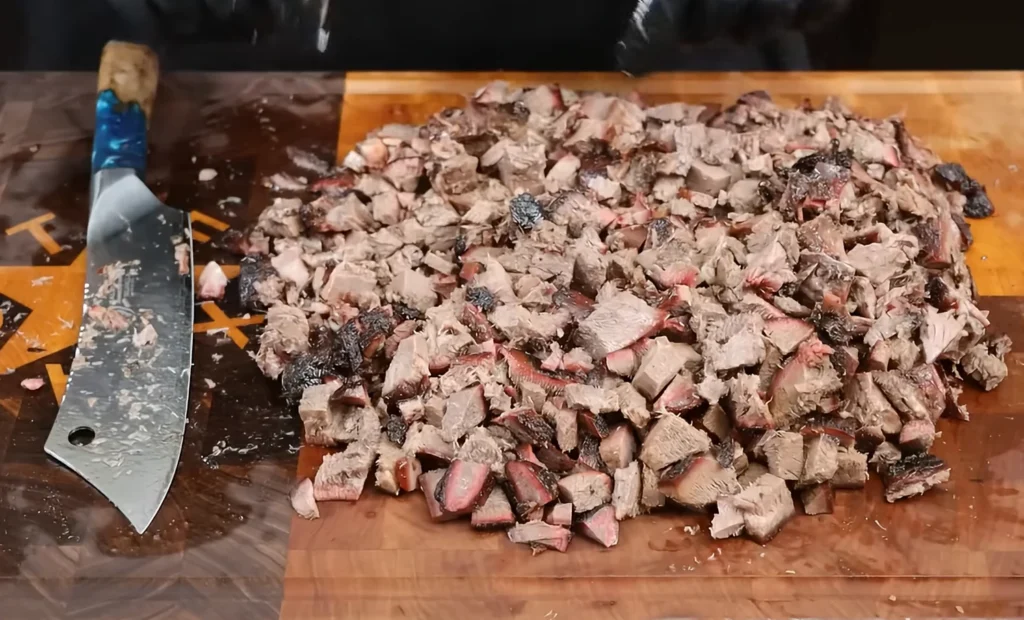
The best toppings for tacos de lengua add freshness and acidity to balance the rich meat. Heavy cheese sauces usually overpower lengua. Fresh toppings work better.
Classic toppings for authentic tacos de lengua
Traditional taco shops often use only three toppings:
• Chopped onion
• Cilantro
• Salsa
That simple approach lets the beef flavor stay front and center. Warm nixtamalized corn tortillas matter too. Fresh tortillas hold juicy lengua better than flour tortillas.
Best salsa for lengua tacos
Salsa verde pairs especially well with beef tongue because tomatillos cut through the richness.
Good options include:
Salsa verde
Tangy and bright. Best overall choice.
Salsa roja
Adds smoky heat from dried chiles.
Avocado salsa
Creamy texture balances spicy toppings.
Habanero salsa
Works for spicy taco lovers, but use lightly.
One of my favorite combinations uses roasted tomatillo salsa, diced onion, cilantro, and fresh lime juice. The acidity sharpens the flavor immediately.
Authentic Mexican cuisine often pairs lengua tacos with salsa verde because the bright acidity balances the buttery texture of slow simmered meat.
Should you crisp the lengua in a skillet?
Yes. Briefly searing chopped lengua improves texture. After chopping the meat, cook it in a cast iron skillet with a little oil for 3 to 5 minutes. The edges become slightly crisp while the inside stays tender. That contrast makes homemade tacos taste closer to taqueria style lengua tacos. Crispy lengua tacos are especially popular in Southern California taco culture and many Texas taquerias.
How to buy, clean, and prepare beef tongue
Buying beef tongue feels intimidating the first time, but most Mexican markets and many American grocery stores carry it regularly.
Look for:
• Tongues weighing 2.5 to 4 pounds
• Even pink or gray color
• No strong odor
• Vacuum sealed packaging when possible
Where to buy beef tongue
You can usually find lengua at:
• Mexican grocery stores
• Asian markets
• Local butcher shops
• Walmart in some regions
• Latin meat counters
Ask the butcher for whole beef tongue.
Many Mexican butchers sell cleaned lengua ready for simmering, which saves preparation time.
Do you need to clean beef tongue first?
Yes. Rinse it thoroughly under cold water before cooking. Some cooks soak lengua in salted water for 30 minutes to remove impurities. That step is optional but helpful. FDA safe cooking guidelines recommend keeping raw beef separate from vegetables and ready to eat foods during preparation.
What parts should be removed after cooking
After cooking, remove:
• Thick outer skin
• Tough fatty underside
• Rough connective tissue near the base
Those parts feel chewy even after long cooking.
Beef tongue vs barbacoa
Both meats work well for tacos, but they taste different.
| Feature | Lengua | Barbacoa |
|---|---|---|
| Texture | Silky and soft | Shredded and juicy |
| Flavor | Rich beef flavor | Smoky and spicy |
| Fat level | Moderate | Higher |
| Cooking time | 2 to 4 hours | 4 to 8 hours |
Unlike carnitas or birria, tacos de lengua have a cleaner beef flavor and softer texture. If you enjoy brisket tacos, you will probably enjoy lengua tacos too.
Tacos de lengua stay juicy when stored correctly
Cooked lengua stores surprisingly well because collagen helps retain moisture.
How long cooked lengua lasts
Store cooked beef tongue in an airtight container with some cooking broth.
Refrigerator: 4 days
Freezer: 2 to 3 months
The broth protects the meat from drying out.
Best way to reheat lengua tacos
Reheat lengua gently in a skillet with a splash of broth. Avoid microwaving for long periods. High heat can make the meat rubbery.
Leftover lengua ideas
Extra lengua works well in:
• Burritos
• Quesadillas
• Breakfast tacos
• Tortas
• Rice bowls
• Pozole style soup bowls
I even use leftover lengua with scrambled eggs the next morning. The rich beef flavor works surprisingly well at breakfast.
Many home cooks searching for tacos de lengua near me eventually realize homemade lengua tacos often taste fresher than restaurant versions.
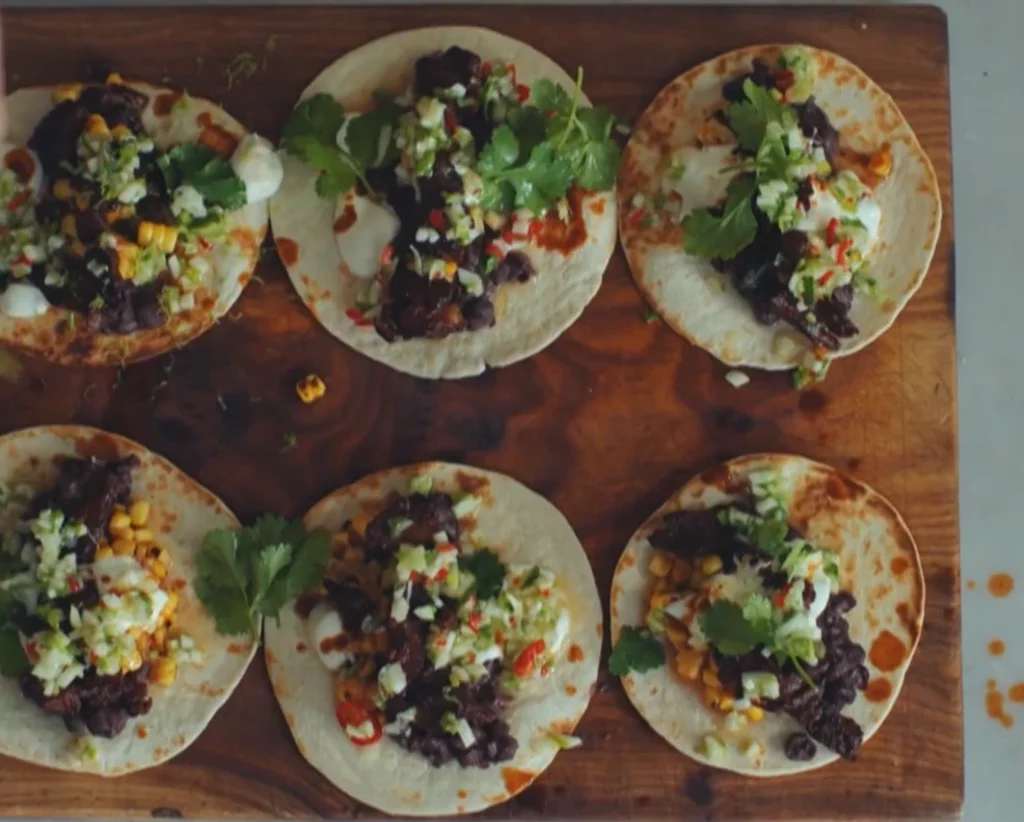
Authentic tacos de lengua recipe you can make tonight
This authentic tacos de lengua recipe creates tender meat with rich broth flavor and crisp edges after searing.
Ingredients
For the lengua:
• 1 whole beef tongue, 3 to 4 pounds
• 1 white onion, halved
• 1 garlic head, halved
• 3 bay leaves
• 1 tablespoon kosher salt
• 1 teaspoon black peppercorns
• 1 teaspoon Mexican oregano
• Water to cover
For serving:
• Corn tortillas
• Chopped onion
• Cilantro
• Salsa verde
• Lime wedges
Instructions
Step 1: Simmer the beef tongue
- Place the tongue, onion, garlic, bay leaves, oregano, peppercorns, and salt into a large stockpot.
- Cover with water by 2 inches.
- Bring to a boil, then reduce heat and simmer 3 to 4 hours.
Step 2: Check for tenderness
- Insert a knife into the thickest section.
- The meat should feel soft with very little resistance.
Step 3: Peel the tongue
- Transfer the tongue to a cutting board.
- While still warm, remove the thick outer skin and trim rough tissue underneath.
Step 4: Dice and crisp the meat
- Cut lengua into small cubes.
- Heat 1 tablespoon oil in a skillet over medium high heat.
- Cook meat for 4 minutes until edges lightly brown.
Step 5: Warm tortillas
- Heat corn tortillas directly over a skillet for about 30 seconds per side.
- Warm tortillas bend without cracking.
Step 6: Build the tacos
- Fill tortillas with lengua.
- Top with onion, cilantro, salsa verde, and lime juice.
- Serve immediately.
- Traditional lengua tacos also pair well with avocado salsa, pickled onions, and smoky salsa roja.
What to avoid when cooking lengua tacos
- Do not boil aggressively for hours. Hard boiling tightens the meat fibers and creates tough texture.
- Keep the liquid at a gentle simmer instead.
- Also avoid under seasoning the broth. Beef tongue absorbs flavor during cooking, so the water should taste well seasoned.
- Using a tortilla warmer also helps maintain moisture and texture when serving multiple tacos at once.

Tacos de Lengua
Ingredients
Equipment
Method
- Rinse the beef tongue thoroughly under cold water.
- Place the tongue in a large stockpot with onion, garlic, bay leaves, oregano, salt, and peppercorns.
- Cover with water by about 2 inches and bring to a boil.
- Reduce heat to a gentle simmer and cook for 3 to 4 hours until fork tender.
- Remove the tongue from the broth and let it cool slightly.
- While still warm, peel away the thick outer skin and trim rough tissue from the underside.
- Dice the lengua into bite sized cubes.
- Heat vegetable oil in a skillet over medium high heat and sear the lengua for 3 to 5 minutes until lightly crisp.
- Warm the corn tortillas on a skillet for about 30 seconds per side.
- Fill tortillas with lengua and top with chopped onion, cilantro, salsa verde, and lime juice.
- Serve immediately while warm.
Notes
- Peel the tongue while still warm for easier removal.
- Slow simmering creates the most tender texture.
- Store leftovers with broth to keep the meat juicy.
- Salsa verde pairs best with tacos de lengua.
Nutrition Information
- Calories: 320 kcal
- Protein: 24g
- Fat: 18g
- Carbohydrates: 16g
- Fiber: 2g
- Sodium: 720mg
FAQ About Tacos de Lengua
Q: What are tacos de lengua?
A: Tacos de lengua means “tongue tacos” in Spanish. The tacos use beef tongue that has been simmered until tender, then chopped and served in tortillas with toppings like onion, cilantro, and salsa. The dish is common in Mexican taquerías and street food stalls throughout Latin American cuisine.
Q: What does beef tongue taste like?
A: Beef tongue tastes rich, savory, and slightly buttery. The flavor is milder than many people expect from organ meat tacos. Properly cooked lengua has a silky texture similar to shredded pot roast but softer and more tender.
Q: Are tacos de lengua healthy?
A: Tacos de lengua provide protein, iron, vitamin B12, and zinc. Beef tongue is higher in fat than lean steak, so portion size matters. According to the USDA, organ meats can supply important nutrients that many Americans lack, especially vitamin B12 and iron.
Q: Can you freeze cooked lengua?
A: Yes. Cooked lengua freezes well for up to 3 months when stored with some cooking broth. Let the meat cool first, then place it in airtight freezer containers. Thaw overnight in the refrigerator before reheating gently in a skillet.
Q: Why is my beef tongue tough?
A: Tough lengua almost always means it needs more cooking time. Beef tongue contains dense connective tissue that only softens after long simmering. If the skin refuses to peel easily, continue cooking for another 30 to 45 minutes and test again.
Conclusion
Tacos de lengua reward patience more than fancy ingredients. Slow cooking transforms beef tongue from a tough cut into meat that tastes rich, buttery, and deeply satisfying. Fresh onion, cilantro, warm tortillas, and bright salsa create the balance that makes authentic lengua tacos memorable.
You now know how to cook beef tongue, peel it correctly, choose the best toppings, and avoid the mistakes that make lengua chewy.
Try this tacos de lengua recipe at home and adjust the salsa heat to match your taste. Once you get the texture right, you may end up making lengua tacos more often than steak tacos.